Newsletter Subscribe
Enter your email address below and subscribe to our newsletter
Enter your email address below and subscribe to our newsletter


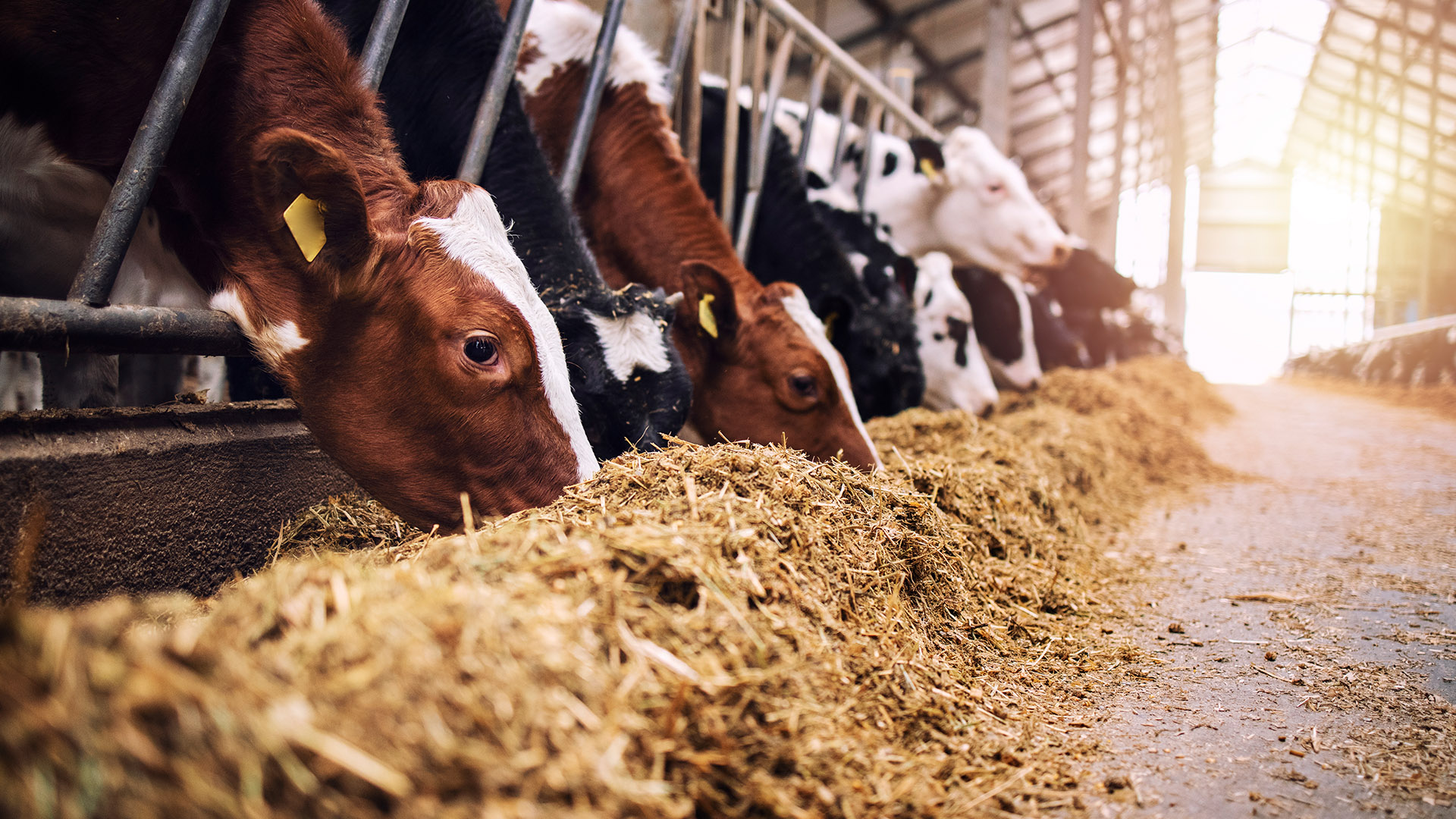
This guide explains how to start a feed manufacturing business, covering formulation, licensing, equipment, and marketing strategies.
 Tumisang Bogwasi Tumisang Bogwasi
| Getting your Trinity Audio player ready... |
Are you thinking of starting a livestock feed production business in Botswana? With rising demand for high-quality animal nutrition, this industry offers you a profitable and scalable opportunity. Botswana’s strong livestock sector, especially in beef, poultry, and small stock farming, relies heavily on a consistent supply of nutritious feed to ensure productivity and animal health.
If you’re interested in broader agricultural ventures, our comprehensive Farming Business Guide in Botswana provides valuable insights and tips to complement your livestock feed production business.
The benefits of providing high-quality livestock feed include improved animal health, increased productivity, and better overall performance, positioning your business for future growth in this expanding market.
This guide walks you through every step of launching your livestock feed production business, from registration and compliance to sourcing raw materials and penetrating the market. Whether you’re targeting local farmers or commercial operations, this sector is ripe for your investment.

Livestock feed is a specially formulated mixture of nutrients designed to provide essential dietary requirements for animals such as cattle, poultry, sheep, goats, and pigs to promote their health, growth, and productivity.
A livestock feed production business involves manufacturing and selling formulated animal feeds to livestock producers. These feeds are tailored to provide the essential nutrients that animals (such as cattle, poultry, goats, sheep, and pigs) need to achieve optimal growth, reproduction, and productivity.
You blend ingredients like maize, sorghum, oilseed cakes, minerals, and vitamins into balanced rations based on species-specific dietary needs.
You can operate this business at small, medium, or large scale and may include production of specialized feed (e.g., broiler finisher, dairy concentrate, or pig grower mash). Your business will play a vital role in enhancing agricultural output, reducing animal mortality, and supporting the profitability of livestock enterprises. Local by-products such as maize bran, cottonseed meal, and sunflower seed meal can be processed into affordable feed, providing cost-effective alternatives for feed production.
As meat consumption increases in Botswana and across the region, livestock producers require better feed to meet productivity goals. This growing demand drives the need for feed formulations tailored to different species such as cattle, poultry, goats, and pigs, considering their specific dietary needs and production stages. Botswana relies on importing cereal grains and other feed components, which leads to high costs and vulnerability to market fluctuations, further emphasizing the importance of local feed production.
Botswana prioritizes agricultural diversification, offering technical and financial support for livestock ventures.
Agencies like the Ministry of Agricultural Development and Food Security, the Citizen Entrepreneurial Development Agency (CEDA), and the National Development Bank (NDB) provide assistance to entrepreneurs in feed manufacturing, helping to foster growth and sustainability in the sector. These agencies offer support in the following ways:
Currently, Botswana relies heavily on imported livestock feed, which exposes the country to fluctuating international prices and supply uncertainties. Although the demand for animal feed has been decreasing slightly (by an average of 2% annually since 2005) imports remain significant.
Projections indicate that Botswana’s animal feed imports will reach nearly 28 million kilograms by 2028, down from about 30 million kilograms in 2023, reflecting a compound annual growth rate (CAGR) decline of 1.3%.
By developing local livestock feed production, Botswana can reduce its dependence on imports, improve food security, and strengthen its economic resilience. Local production helps fill existing supply gaps, stabilizes prices, and supports the growth of the domestic agricultural industry. Frequent droughts in Botswana also impact pasture availability, increasing reliance on expensive imported feed, which local production can help mitigate.
Botswana’s strategic location offers access to regional markets within the Southern African Development Community (SADC), including Namibia, Zambia, and Zimbabwe. This proximity creates promising opportunities for cross-border trade in processed livestock feed products, expanding your business reach beyond the local market.
Looking ahead, the future of the livestock feed industry in Botswana is promising, with strong growth projections and long-term opportunities for investors and entrepreneurs.
Choosing the right product focus is a crucial step in establishing a successful livestock feed production business in Botswana. Depending on your target market and available resources, you can specialize in feeds for cattle, poultry, small stock, or niche specialty products.
This section helps you understand the different feed types and guides you in selecting the best product mix to meet local demand and maximize your business growth.
1. Cattle Feed
2. Poultry Feed
3. Small Stock Feed (Goat, Sheep, Pig)
4. Specialty Feeds
Develop strategies to target the right market segment for each type of feed product, reaching your target customers and driving business growth.
Conducting thorough market research is the foundation of your successful livestock feed production business in Botswana. Start by gathering data on the local market demand for different types of feed, such as poultry, cattle, and swine feed.
Identify your target customers (whether they are smallholder farmers, commercial livestock operations, or co-ops) and analyze their specific needs. Your comprehensive business plan should incorporate detailed market research to help you understand the competitive landscape, set an effective pricing strategy, and identify reliable suppliers of raw materials.
Market research also involves:
By investing time in market research, you can develop a business strategy that aligns with local demand, optimizes your production process, and positions your feed manufacturing business for long-term success.
A thorough understanding of the local market is crucial for the success of your livestock feed manufacturing business in Botswana. This knowledge enables you to align your products and services with the specific needs and regulations of the industry.
To help you navigate this important step, here is a concise list of key factors to consider when analyzing the local market:
By systematically addressing these factors, you can build a strong foundation for your livestock feed production business, ensuring it is both competitive and compliant within Botswana’s dynamic agricultural sector.
Business Name and Registration
At this critical stage, Brimco offers professional assistance to guide you through the company registration process efficiently and accurately, ensuring all legal and regulatory requirements are met to set a strong foundation for your livestock feed production business.
Licensing and Compliance
Regulatory Oversight
The production and formulation of livestock feed are at the heart of your business operations. This process includes:
Your comprehensive business plan should detail each step of the production process, including:
To ensure compliance with Botswana’s regulatory requirements, you’ll need the following documents:
These documents are essential for legal operation and for passing inspections by authorities.
The production process should prioritize:
Utilize resources like the BAITS system, an initiative of the Botswana government, to access valuable data and support for your feed production venture.
By focusing on quality, regulatory compliance, and efficient operations, you can produce animal feed that:
What You Need
Creating a cash flow forecast is vital for financial planning and determining business profitability, helping you manage expenses and anticipate future financial needs.
Including comprehensive details in your business plan enhances transparency and builds investor confidence.
Lab Testing and Quality Assurance
Labeling and Packaging
Certification Bodies
Starting a livestock feed production business in Botswana offers a promising opportunity to contribute significantly to the country’s agricultural growth and food security. By investing in quality equipment, adhering to regulatory requirements, and establishing reliable supply chains, you can build a profitable and sustainable enterprise.
With the right market strategy and comprehensive business planning, your venture can meet the rising demand for nutritious animal feed, support local farmers, and tap into regional export markets.
Brimco is ready to assist you every step of the way (from company registration to market entry)ensuring your livestock feed production business thrives in Botswana’s dynamic agricultural sector. Contact us today to take the first step toward your successful agribusiness journey.
To legally produce animal feed, you will need a trade license and register for a Tax Identification Number (TIN) with the Botswana Unified Revenue Service (BURS). Additionally, depending on your product type, you may require clearances from the Department of Veterinary Services and the Botswana Bureau of Standards (BOBS) to ensure compliance with safety and quality regulations.
No, meat premises licenses are specifically for businesses involved in meat processing and handling to ensure hygienic and safe meat facilities. For livestock feed production, you must obtain a trade license and any relevant clearances related to feed manufacturing, but a meat premises license is not required.
Most government offices, including veterinary services, are closed or operate with limited hours on public holidays. It is advisable to check the specific office schedules ahead of time to plan your visits accordingly.
Yes, both citizens and non-citizens are eligible to register and operate livestock feed businesses in Botswana, provided they comply with all regulatory and licensing requirements.
Interested investors should begin by conducting thorough market research and preparing a comprehensive business plan. It is also recommended to engage with relevant government agencies, such as the Ministry of Agricultural Development and Food Security, and local industry associations to explore partnership and support opportunities.
Profit margins typically range between 15% and 30%, influenced by factors such as scale of operations, raw material costs, and market penetration strategies.
Yes, foreign investors can establish and operate feed production businesses in Botswana, subject to compliance with land ownership and investment regulations.
Demand for livestock feed is robust and growing, especially within the poultry and cattle sectors. The reliance on imported feed presents a significant opportunity for local producers to capture market share.
Typical raw materials include maize, sorghum, molasses, sunflower cake, limestone, urea, and vitamin and mineral premixes, all blended to meet the nutritional needs of different animal species.
Funding options are available through government agencies such as the Citizen Entrepreneurial Development Agency (CEDA), National Development Bank (NDB), and Youth Development Fund (YDF). Securing financing usually requires a detailed business plan with clear production targets and realistic financial projections.