Newsletter Subscribe
Enter your email address below and subscribe to our newsletter
Enter your email address below and subscribe to our newsletter


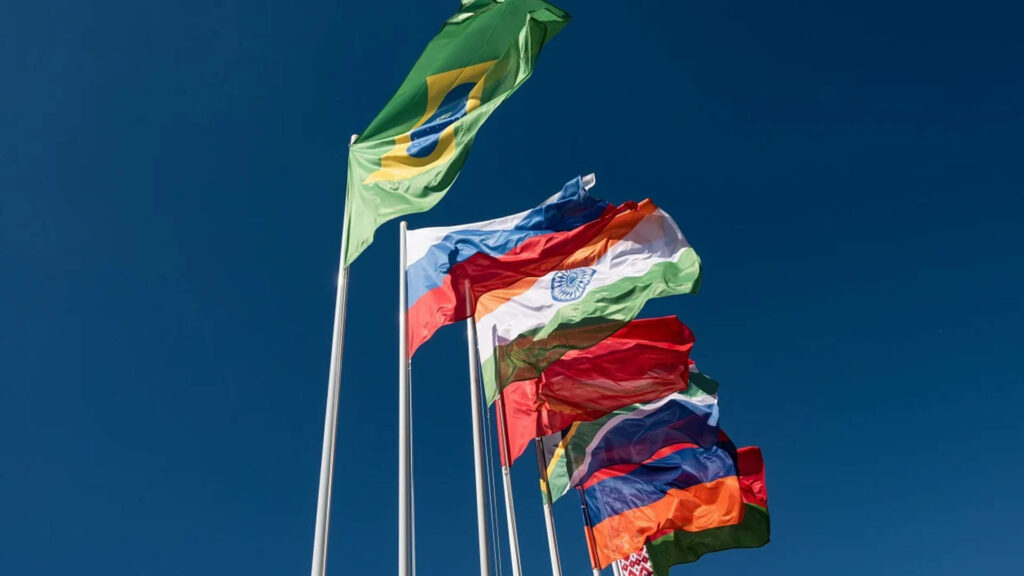
Discover the economic powerhouse that is BRICS and learn about the 6 countries joining this influential group in this informative post.
 Tumisang Bogwasi Tumisang Bogwasi
| Getting your Trinity Audio player ready... |
In a move that signals a strategic expansion of the BRICS alliance, leaders of the group have extended invitations to six additional countries to join their ranks.
Argentina, Egypt, Ethiopia, Iran, Saudi Arabia, and the United Arab Emirates have been welcomed to become members of BRICS, as announced by South African President Cyril Ramaphosa.
“We value the interest of other countries in building a partnership with BRICS,” Ramaphosa said. “We have tasked our Foreign Ministers to further develop the BRICS partner country model and a list of prospective partner countries and report by the next Summit.”

This move aims to further bolster the collective influence of these emerging economies and reshape global dynamics.
As the BRICS group embraces these new members, the partnership is set to become even more diverse and influential on the global stage. The decision reflects the alliance's willingness to evolve and adapt to changing geopolitical landscapes, as well as to address the complexities of contemporary international relations.
While the BRICS alliance presents a united front in many aspects, it is not without its challenges. The group's current members—Brazil, Russia, India, China, and South Africa—carry varying interests and priorities.
The decision to expand the alliance could potentially introduce new dynamics into the mix, particularly as the interests and histories of the new members, such as Saudi Arabia and Iran, may diverge. Finding common ground and forging a cohesive approach amid these diversities will be a critical task for the enlarged BRICS alliance.
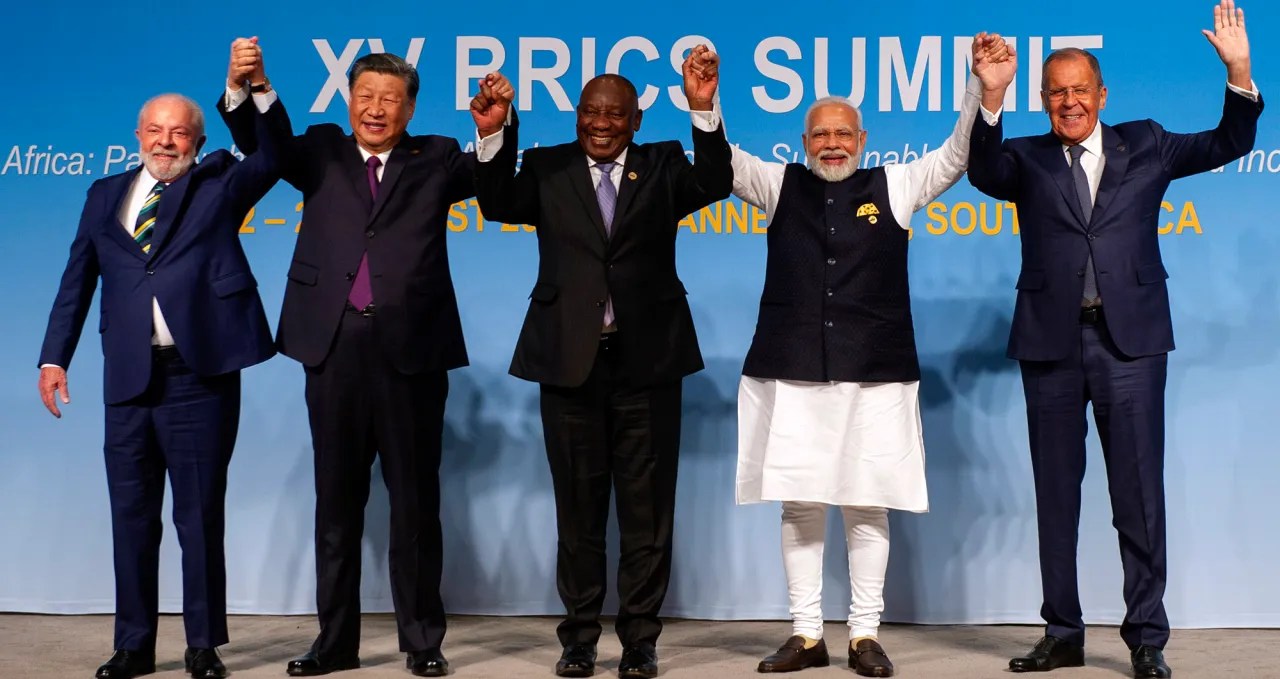
The 15th BRICS summit, hosted in Johannesburg, marks a significant moment as it was the first in-person gathering of leaders since the outbreak of the COVID-19 pandemic.
This event not only highlighted the commitment of these nations to collaborative efforts but also showcased the importance of direct engagement and face-to-face diplomacy in addressing complex global challenges.
The interest in joining BRICS extends beyond the six newly invited members. With more than 40 countries expressing their desire to be part of this influential alliance, it underscores the resonance of the BRICS mission in fostering collective growth and strategic cooperation.
This interest from various corners of the globe attests to the significance of BRICS as a platform for emerging economies to make their voices heard.

As BRICS prepares to welcome its new members in 2024, the expansion reflects a shared vision to reshape global partnerships and forge a more balanced and multipolar world order.
The alliance's journey ahead involves not only aligning diverse interests but also navigating the challenges and opportunities presented by a rapidly changing global landscape. The addition of these new members will undoubtedly redefine the alliance's dynamics and contribute to shaping the future trajectory of international relations.