Newsletter Subscribe
Enter your email address below and subscribe to our newsletter
Enter your email address below and subscribe to our newsletter


 Nonofo Joel Nonofo Joel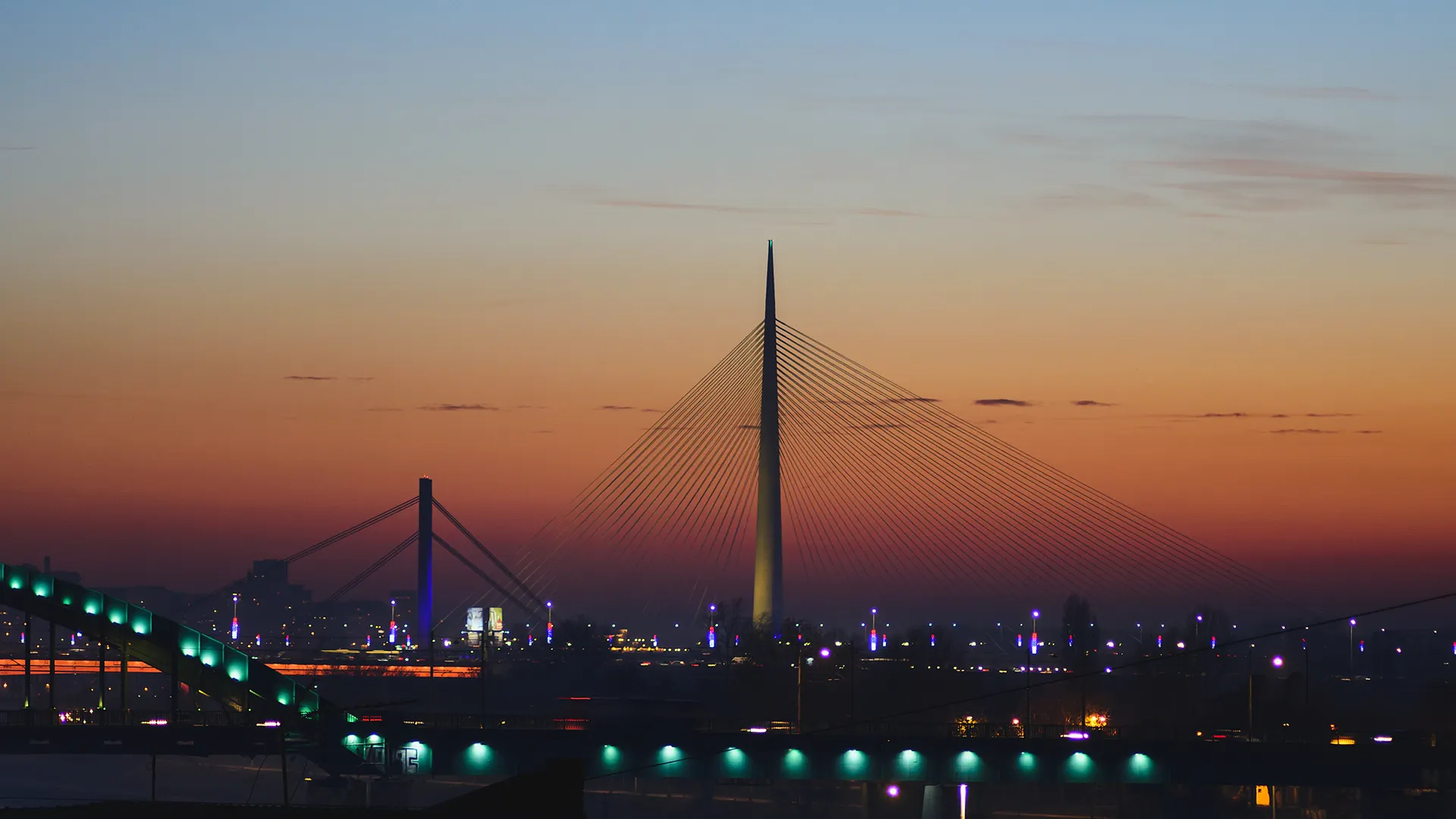
Over the past decade, Belgrade has undergone a quiet but significant transformation. Once viewed mainly as a historical and cultural capital, the city is now gaining recognition as a serious business destination in Southeast Europe. International companies, startups, and investors are increasingly paying attention—and not without reason.
Belgrade’s rise isn’t driven by a single factor. It’s the result of geographic positioning, economic adaptability, skilled talent, and infrastructure that continues to evolve with global business needs.
Well, for professionals considering expansion, partnerships, or regional headquarters, understanding why Belgrade stands out helps explain its growing strategic relevance. Having said that, let’s dive into the article!
Belgrade’s location is one of its strongest advantages. Situated at the intersection of major European corridors, the city connects Central Europe, the Balkans, and parts of Eastern Europe with relative ease.
From a business perspective, this means:
The confluence of the Danube and Sava rivers has historically made Belgrade a trading crossroads. Today, that same positioning supports logistics, distribution, and cross-border business operations—especially for companies managing regional portfolios rather than single-country markets.
Belgrade’s infrastructure has evolved significantly to meet the demands of modern commerce. New business districts—especially in New Belgrade—feature contemporary office spaces, improved connectivity, and proximity to transport hubs.
Business-friendly infrastructure includes:
As more international meetings, events, and corporate visits take place in the city, smooth ground transportation becomes part of the overall business experience. This is where services such as a limo service in Belgrade play a practical role—helping executives and visiting professionals move efficiently between airports, offices, hotels, and meetings.
Reputable companies like Belgrade Chauffeur support this ecosystem by offering professional, discreet transportation tailored to business schedules. For time-sensitive visits and high-level engagements, reliable local mobility adds an often-overlooked layer of operational efficiency.
Another key factor behind Belgrade’s rise is its workforce. Serbia has invested heavily in education, particularly in technical and scientific fields. As a result, Belgrade offers a deep talent pool across IT, engineering, finance, and professional services.
What makes the city particularly attractive is the balance it offers:
This combination allows companies to scale operations efficiently without compromising on quality. For startups and multinational firms alike, Belgrade provides an environment where growth feels sustainable rather than financially restrictive.
Belgrade’s business climate is shaped by pragmatism. While regulations exist, the city has developed a reputation for flexibility, responsiveness, and openness to foreign investment—particularly in sectors like technology, real estate, manufacturing, and professional services.
Key aspects investors often note include:
Rather than positioning itself as a low-cost alternative alone, Belgrade increasingly presents itself as a place where companies can experiment, expand, and adapt quickly to changing market conditions.
Strategic business hubs aren’t just about numbers—they’re also about livability. Belgrade offers a quality of life that appeals to both short-term visitors and long-term residents.
Professionals relocating or traveling frequently benefit from:
This balance makes it easier for companies to attract international talent and encourages executives to spend more time on the ground—deepening relationships and understanding local markets.
Belgrade’s growing presence in global business conversations is no accident. International conferences, tech events, and investment forums are increasingly hosted in the city, reinforcing its credibility and visibility.
As this exposure grows:
Each of these developments compounds the next, creating momentum that continues to draw attention from outside Southeast Europe.
Belgrade’s emergence as a strategic business hub is rooted in more than affordability or location alone. It’s the combination of geographic reach, skilled talent, modern infrastructure, and a flexible business environment that positions the city as a serious contender in Southeast Europe.
For companies and professionals navigating regional growth, Belgrade offers both opportunity and practicality. As investment, innovation, and connectivity continue to expand, the city is no longer just on the radar—it’s becoming a central point of reference for doing business in the region.