Newsletter Subscribe
Enter your email address below and subscribe to our newsletter
Enter your email address below and subscribe to our newsletter


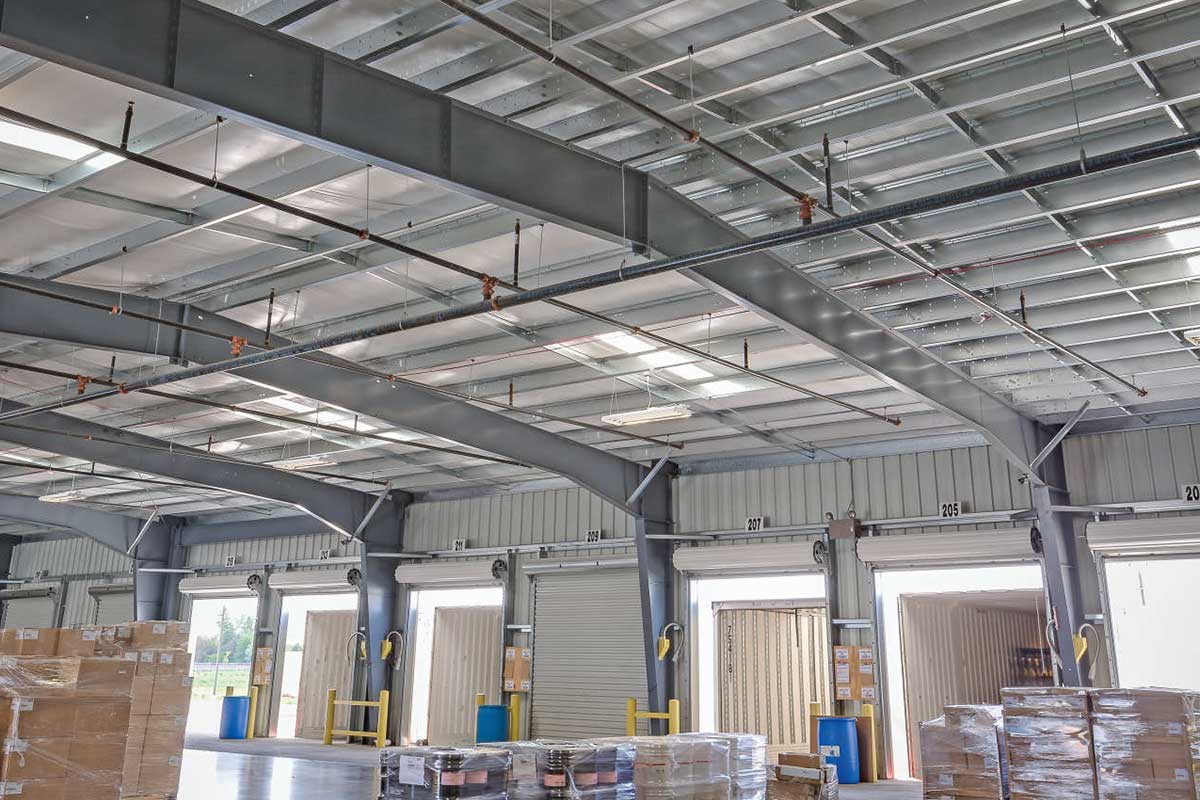
Explore the key differences that set Butler buildings apart for long-term business use, including durability, support for expansion, and maintenance advantages.
 Nonofo Joel Nonofo Joel
Growing businesses make fast decisions. Most attention goes to hiring, sales, and expansion. Buildings often come later in the planning process. Many founders treat them as temporary spaces. That mindset creates long-term problems.
A commercial building affects daily work. It impacts operating costs. It also shapes how easily a business can grow. Weak construction leads to frequent repairs. Poor design limits expansion. Both slow progress and increased expenses.
Smart businesses think differently. They treat buildings as long-term assets, not short-term fixes. The right structure supports operations today and growth tomorrow.
This article explains what sets Butler buildings apart and why long-term investment thinking matters for businesses that plan to scale.
Not all commercial buildings are built for long-term business use. Some are designed to meet immediate needs only. Others are engineered to perform for decades. Butler buildings fall into the second category. Several factors explain why they stand out in commercial construction.
Butler buildings are designed specifically for business environments. They are not adapted from residential structures. These buildings support warehouses, manufacturing plants, and distribution centers.
The designs account for heavy equipment, wide spans, and daily operational stress. Materials are selected for strength and consistency. Layouts support workflow instead of restricting it. This matters when teams rely on the building every day. Businesses avoid constant adjustments and workarounds.
Durability plays a direct role in how a building performs year after year. Butler systems are engineered to handle real operational stress, including equipment movement, temperature changes, and constant use.
Structural reliability becomes even more important at the roof level, where failures can disrupt operations quickly. Leaks can damage inventory, slow production, and force unexpected shutdowns.
Systems like the Butler MR-24 roof are designed to manage weather exposure and structural movement more effectively than standard options. Working with professionals who understand these systems makes a real difference. Correct guidance prevents shortcuts and improper fixes. Access to the right replacement components from specialists like Butler MFG Parts also helps businesses maintain performance.
Over time, this support extends the life of critical building systems and reduces avoidable issues.
Maintenance issues cost more than repair bills. They interrupt schedules. They reduce productivity. They frustrate teams.
Butler buildings are built to minimize these problems. Strong systems mean fewer failures. Maintenance becomes predictable instead of reactive. Businesses can plan inspections instead of dealing with emergencies.
This stability helps managers control budgets. Teams stay focused on work instead of fixing building issues. Over time, fewer disruptions protect revenue and operational flow.
Businesses rarely stay the same size. Growth brings new equipment, new teams, and new space needs. Buildings should support this change, not block it.
Butler buildings allow for future modifications. Expansions are easier when systems are planned correctly. Businesses can add space or upgrade functions without rebuilding entirely.
This flexibility saves time and money. It also allows companies to grow without relocating. For many businesses, that continuity matters.
Understanding what sets a building apart is only one part of the decision. The bigger question is why long-term investment matters at all. For growing businesses, the answer comes down to cost, stability, and perception.
Short-term savings often look attractive. Cheaper buildings cost less upfront. Over time, those savings disappear.
Frequent repairs add up. Replacement parts cost more. Maintenance becomes unpredictable. Long-term investment reduces these risks. Durable buildings last longer and require fewer fixes.
Businesses spend less over the building’s life. Cash flow stays more stable. That stability supports smarter financial planning.
Growth depends on consistency. Teams need reliable spaces. Equipment needs protection. Workflows should not stop due to building failures.
Strong buildings support this stability. Fewer disruptions mean higher productivity. Employees focus on tasks instead of temporary fixes.
Customers also benefit. Orders ship on time. Operations remain dependable. This reliability supports expansion and strengthens reputation.
Buildings communicate more than function. They signal how a business plans for the future. Investors and partners notice infrastructure decisions.
Long-term buildings reflect thoughtful leadership. They show commitment to sustainability and planning. This perception matters during growth stages.
Businesses with solid infrastructure appear more reliable. That confidence supports funding discussions and partnerships.
Buildings play a critical role in business success. Treating them as short-term needs creates long-term problems. Butler buildings support a different approach. They focus on durability, lower maintenance, and future flexibility. These qualities reduce disruptions and protect operations. Long-term investment thinking helps businesses control costs and plan growth. For companies focused on scaling, infrastructure decisions matter. Strong buildings become assets that support progress instead of obstacles that slow it down.