Newsletter Subscribe
Enter your email address below and subscribe to our newsletter
Enter your email address below and subscribe to our newsletter


 Nonofo Joel Nonofo Joel
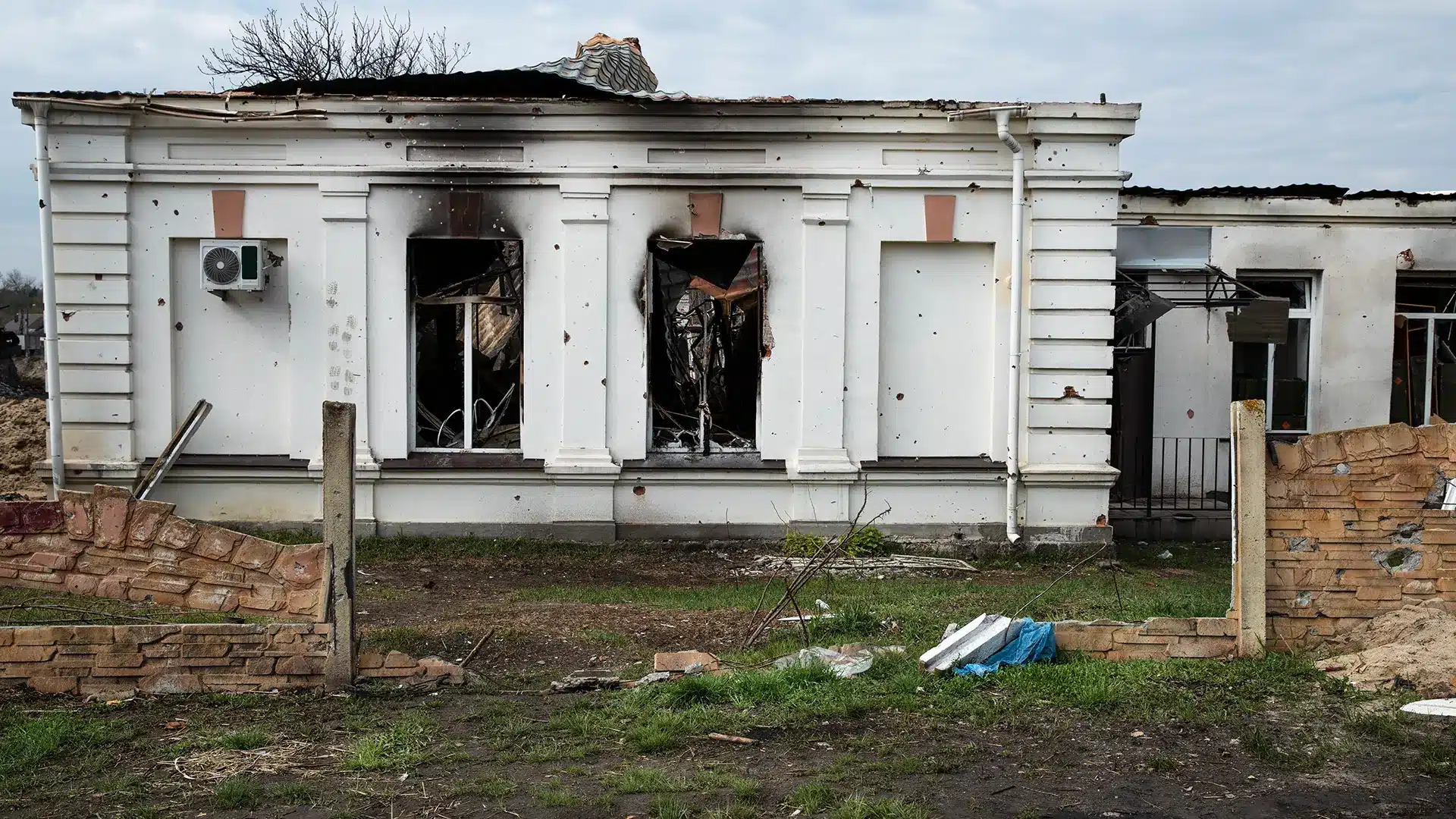
For business owners and property managers, unexpected building damage can lead to costly repairs, safety risks, and operational downtime. Whether it’s a minor issue that slowly worsens or a hidden problem that escalates without warning, property damage can quickly disrupt daily business activities. The key to avoiding these disruptions is early detection.
By identifying warning signs early and addressing problems proactively, businesses can protect their properties and avoid emergency repairs that interrupt operations. Understanding where damage occurs and how to monitor it effectively can make a significant difference in long-term property performance.
Commercial properties are exposed to a wide range of potential damage due to daily use, aging infrastructure, weather conditions, and mechanical wear. Structural issues, such as cracks in foundations or walls, can develop gradually and worsen if ignored. Water-related damage, including leaks and moisture intrusion, is another common issue that can affect ceilings, flooring, and internal systems.
Exterior elements such as roofs, walls, and drainage systems are also vulnerable, especially in properties exposed to heavy rain. Mechanical systems such as HVAC, electrical wiring, and plumbing can deteriorate with age, creating safety hazards and operational challenges. Recognizing these common types of damage helps businesses focus on areas that require regular attention.
Many forms of property damage provide visible clues long before they become serious problems. Cracks in walls, ceilings, or floors may indicate structural movement or foundation stress. Water stains, discoloration, or peeling paint often point to hidden leaks or moisture buildup.
Other signs include uneven flooring, doors that stick, or windows that no longer align properly. Rust, corrosion, and material deterioration around fixtures or utility areas can signal ongoing exposure to moisture or wear. These visible indicators should never be dismissed, as they often reflect deeper issues beneath the surface.
Some of the most disruptive forms of property damage are not immediately visible. This is especially true for underground and internal infrastructure, which is particularly difficult to monitor without proper inspections. Problems within these systems can affect sanitation, air quality, and overall building safety. This is why proactive evaluations, including checking your sewer, are essential for identifying issues early and preventing unexpected disruptions. Professional inspections can detect cracks, blockages, or deterioration before they lead to backups or business closures.
This is easier than before. Businesses like Trenchless Solutions offer video inspection services that involve selecting the most appropriate access point. With professional-grade equipment and detailed video footage of the inside of your pipes, they provide a fast, convenient, and comprehensive inspection that uncovers issues traditional methods often miss.
High-Risk Areas That Require Regular Monitoring
Certain areas of commercial properties are more prone to damage and should be monitored closely. Basements, utility rooms, and lower levels are at higher risk for moisture intrusion and system failures. Restrooms, kitchens, and other water-intensive areas often experience leaks, drainage issues, and wear from frequent use.
Parking structures and exterior surroundings can also develop cracks, drainage problems, or surface deterioration that affects safety and accessibility. Older buildings and high-traffic zones require additional attention, as constant use accelerates wear and tear. Regular inspections of these high-risk areas help prevent minor issues from becoming major disruptions.
Addressing Issues Early to Avoid Business Disruption
When property damage is addressed early, businesses can avoid downtime, safety hazards, and reputational risks. Small repairs are typically faster, less expensive, and less disruptive than emergency fixes. Early intervention also reduces the likelihood of secondary damage, such as mold growth, structural weakening, or system failures.
Proactive maintenance protects employees, customers, and tenants while ensuring that business operations continue smoothly. Addressing issues before they escalate allows businesses to plan repairs strategically rather than reacting under pressure.
A long-term maintenance strategy is essential for preventing damage-related disruptions. This includes creating inspection checklists, scheduling regular maintenance, and budgeting for preventive repairs. Training staff to recognize and report early warning signs also plays a key role in maintaining property health.
By documenting inspections and repairs, businesses gain a clearer understanding of property performance over time. This proactive approach supports smarter decision-making and helps extend the lifespan of building systems and infrastructure.
Identifying property damage before it disrupts your business requires awareness, consistency, and proactive planning. By monitoring visible warning signs, addressing hidden risks, and investing in preventive inspections, businesses can protect their properties and avoid costly interruptions. Early detection not only preserves operational continuity but also creates a safer, more reliable environment for everyone who relies on the space.