Newsletter Subscribe
Enter your email address below and subscribe to our newsletter
Enter your email address below and subscribe to our newsletter


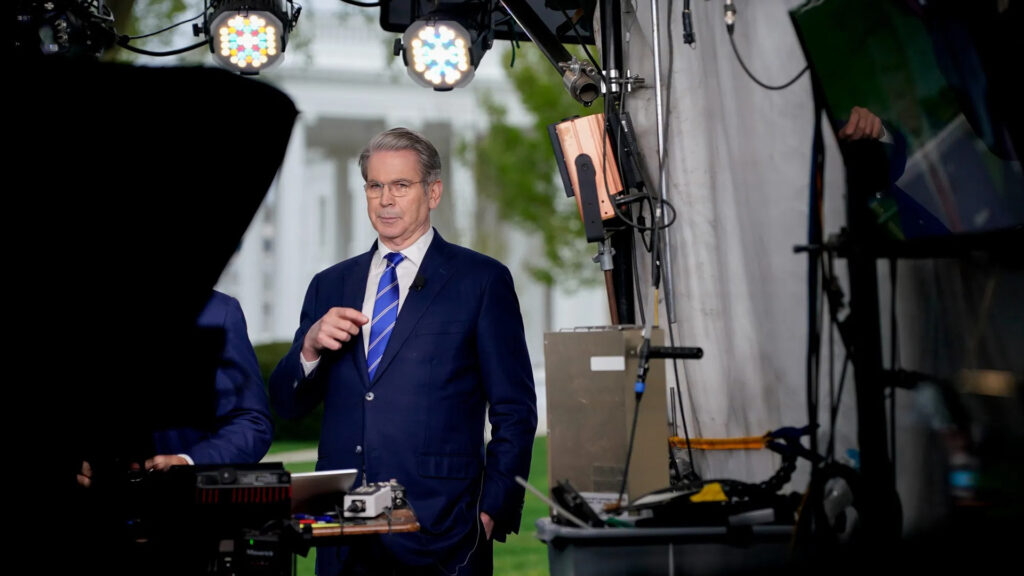
U.S. raises China tariffs to 125%, grants 90-day pause for over 75 countries.
 Tumisang Bogwasi Tumisang Bogwasi
In a pivotal announcement that reflects the rapidly evolving trade policy landscape, U.S. Treasury Secretary Scott Bessent confirmed the White House’s decision to pause tariffs for more than 75 countries while simultaneously increasing tariffs on Chinese imports to 125%.
The bold shift underscores President Donald Trump’s hardline economic strategy, distinguishing between nations engaging in good-faith trade negotiations and those, like China, accused of manipulative and escalatory practices.
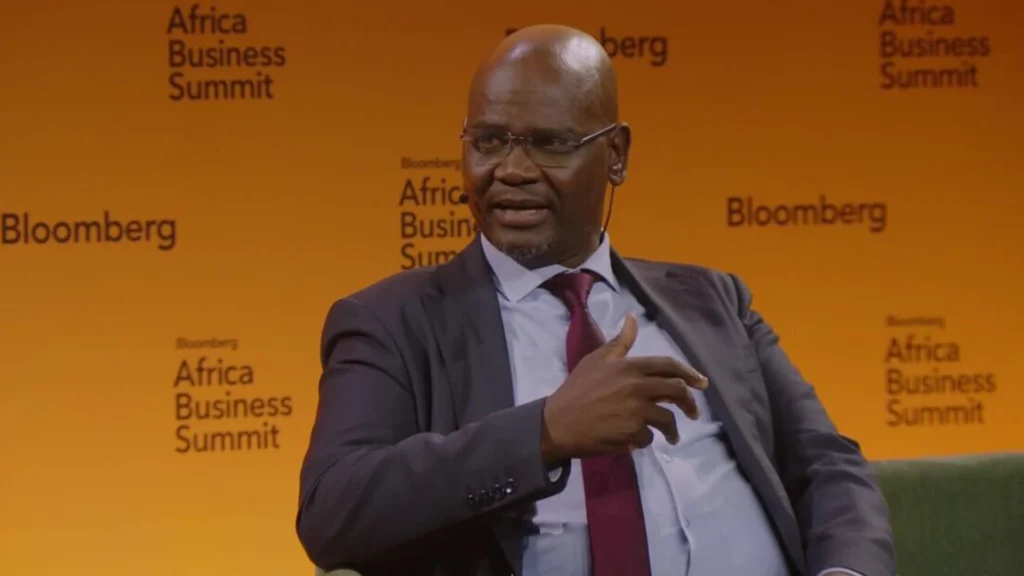
According to Bessent, the administration’s strategy is simple: reward cooperation and punish defiance. “Do not retaliate, and you will be rewarded,” he reiterated during a packed Q&A session. Countries choosing to engage in diplomatic trade negotiations—rather than escalating retaliatory measures—are being offered a 10% reciprocal tariff baseline during a 90-day pause.
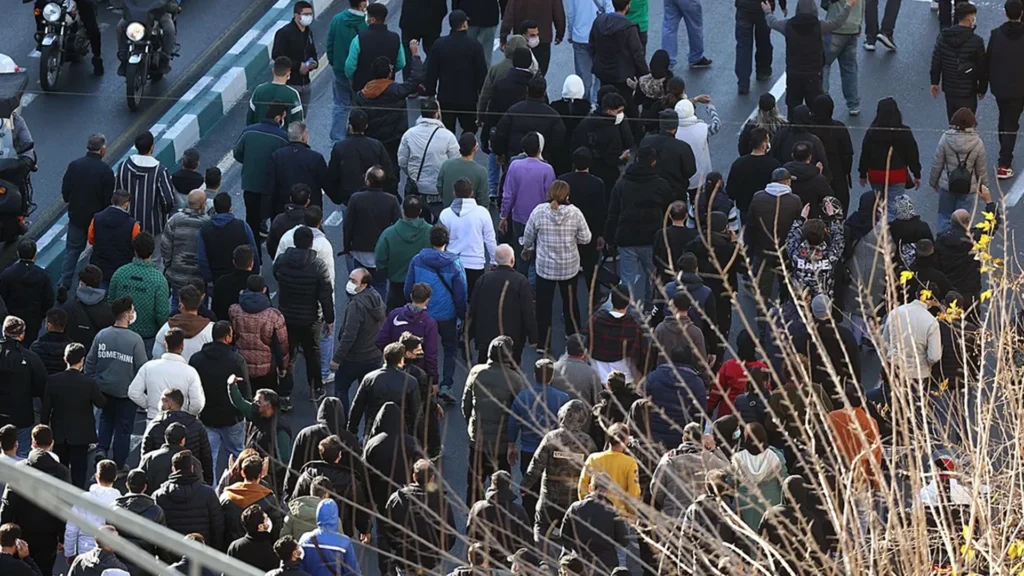
In stark contrast, China was penalized for continued escalation and noncompliance, with a new 125% tariff imposed on all its goods.
“China is the most imbalanced economy in the modern world,” Bessent stated. The administration accused Beijing of flooding global markets with subsidized exports and manipulating currency while stonewalling diplomatic overtures. This latest move positions China against the U.S. and a growing coalition of aligned nations.
Trade diversion is already evident, with European markets reporting an uptick in Chinese goods rerouted from the U.S. supply chain. The EU and Global South have taken notice, further isolating China diplomatically.
Markets initially plunged following tariff escalation announcements. However, the administration expects the 90-day tariff pause to stabilize investor sentiment. “Markets crave certainty. The temporary 10% floor and 125% ceiling create a clear spectrum for pricing risk,” Bessent said.
Despite concerns over volatility, Bessent dismissed suggestions that market pressure forced the decision. Instead, he attributed it to overwhelming global engagement and inbound interest in fair negotiation.
The Treasury confirmed that Vietnam and Japan are among the first countries in line for negotiation. Vietnam faces one of the largest trade deficits with the U.S., while Japan is set to send a high-level delegation.
Talks will be “bespoke,” reflecting each bilateral relationship’s complexity and historical imbalance. Other countries, including South Korea, Brazil, and EU member states, are expected to follow.
Beyond tariff levels, Bessent hinted at broader strategic agreements. A major Liquefied Natural Gas (LNG) project in Alaska is under discussion, with interest from South Korea, Japan, and Taiwan. Such initiatives reflect the administration’s vision of trade as a tool for reshaping long-term geopolitical partnerships.
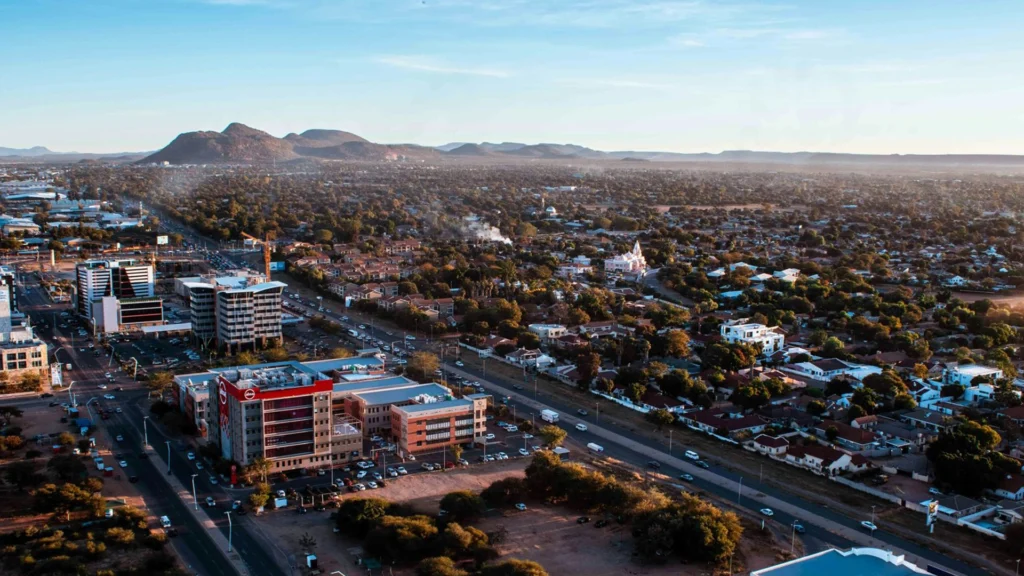
For emerging markets in Africa, the 90-day pause opens the door to deeper economic engagement with the U.S. Countries like Kenya, Ghana, and Botswana have begun talks to boost exports in sectors like textiles, agriculture, and technology. The new trade order rewards transparency, reliability, and investment in domestic value chains.
Trump’s administration has redefined modern trade diplomacy by introducing a clear binary—collaborate, benefit, or escalate and face the consequences. The decision to raise China’s tariffs to 125% while offering a pause to others is more than a tactical move. It’s a declaration of economic principles: sovereignty, reciprocity, and respect for market fairness.
As talks unfold over the next 90 days, nations will determine their alignment—not just in trade but in principle. The message for America and its allies is simple: The era of one-sided globalism is over.