Newsletter Subscribe
Enter your email address below and subscribe to our newsletter
Enter your email address below and subscribe to our newsletter


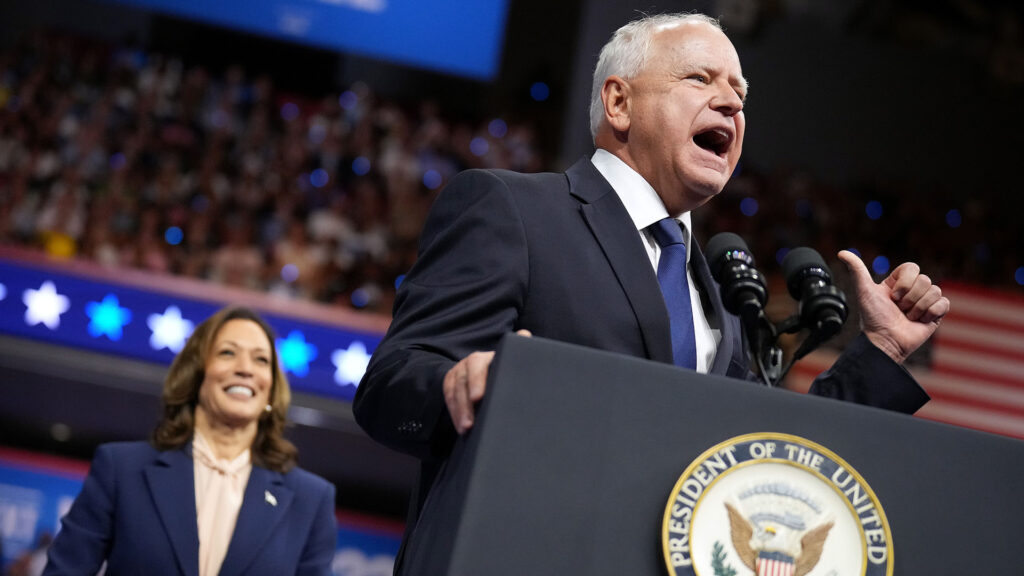
Follow the latest news on the 2024 election as Vice President Kamala Harris teams up with Minnesota Gov. Tim Walz for her running mate.
 Tumisang Bogwasi Tumisang Bogwasi
In a significant move for the 2024 election, Vice President Kamala Harris has chosen Minnesota Governor Tim Walz as her running mate. The campaign announced the selection on Tuesday, highlighting Walz’s potential to bolster Harris’ appeal among rural voters and reinforce the Democratic presence in critical Midwestern states.
Governor Walz brings a wealth of experience and a proven track record in public service. His background as a military veteran, former public school teacher, and two-term governor of Minnesota positions him as a candidate with deep roots in the working-class community.
This could help Harris connect with a broader voter base, particularly in the “blue wall” states that were pivotal in President Biden’s 2020 victory.
Walz signed the Protect Reproductive Options Act, guaranteeing the right to make autonomous decisions about reproductive health.
This move fulfilled a campaign promise following the Supreme Court’s overturning of Roe v. Wade, positioning Minnesota as a safe haven for reproductive rights in the Midwest.
Critics argue that these policies promote a disregard for parental rights and traditional values.
Walz has championed significant education reforms, including:
Despite these initiatives, Minnesota’s education ranking has fallen from 6th to 19th since 2015, indicating that further improvements are needed to see substantial results.
Critics argue that these policies are an overreach and undermine parental authority and traditional family values.
In 2023, Walz signed a comprehensive pro-worker agenda:
These measures have strengthened worker protections but faced criticism from some business groups concerned about increased operational costs and government overreach.
Walz committed Minnesota to 100% carbon-free energy by 2040 and adopted California’s clean car standards. These ambitious goals have positioned Minnesota as a leader in environmental policy, though they have also drawn criticism for potentially increasing energy costs and regulatory burdens on businesses.
Some argue that these policies reflect a socialist agenda that prioritizes government control over free-market principles.

Walz’s response to the COVID-19 pandemic, including lockdowns and mask mandates, has been polarizing. His administration’s expansion of MinnesotaCare aims to provide health insurance to undocumented residents and create a public option by 2027, reflecting his commitment to accessible health care.
However, his handling of the pandemic, including strict lockdowns, has been criticized for its negative impact on businesses and individual freedoms.
Walz has been a proponent of marijuana legalization, achieving full legalization after Democrats gained control of the Legislature. This move is expected to generate significant tax revenue and address social justice issues related to previous marijuana convictions.
Critics, however, worry about the societal impacts and increased accessibility of marijuana.
Walz’s handling of the George Floyd protests and subsequent riots has been a major point of contention.
Critics argue that his delayed response contributed to the destruction in Minneapolis. However, Walz has since enacted police reforms, including a ban on certain chokeholds and no-knock warrants, aiming to address systemic issues within law enforcement.
His perceived leniency towards rioters and support for defunding the police have drawn sharp criticism from those who believe it fosters lawlessness and endangers public safety.
Walz signed legislation restoring voting rights to felons who are no longer imprisoned and enacted the Democracy for the People Act to make voting more accessible. These measures aim to enhance democratic participation but have faced opposition from those concerned about potential voter fraud.
Walz has implemented tax increases to fund public transportation and affordable housing while providing significant tax credits for low-income families. These policies have garnered praise for their equity but have also sparked backlash over increased tax burdens and accusations of promoting a socialist agenda.
Walz has shifted from his previous support for gun rights, implementing stricter gun control measures such as background checks for private sales and red flag laws. Critics argue these measures infringe on Second Amendment rights and do little to address the root causes of gun violence.
Walz has significantly increased spending on housing to address homelessness and affordable housing shortages. While these efforts are commendable, opponents argue that they reflect a reliance on government intervention rather than market-driven solutions.
Walz’s management of the COVID-19 pandemic and the Black Lives Matter (BLM) riots has been heavily criticized. His delayed deployment of the National Guard during the George Floyd protests led to significant property damage and loss of economic value in Minneapolis.
Critics argue that his handling of the riots and strict COVID-19 measures demonstrate a tendency towards overreach and poor crisis management.
Walz’s support for policies such as providing free menstrual products in boys’ bathrooms and allowing children to undergo gender transitions without parental consent has sparked significant backlash.
These policies are seen by some as attempts to change American values and promote a socialist agenda. Critics argue that these measures undermine parental authority and traditional family structures, reflecting a broader push towards progressive, and often controversial, social reforms.
Many of Walz’s policies, including increased taxes, strict environmental regulations, and expansive social welfare programs, have raised concerns about their impact on businesses and the economy.
Critics argue that these policies increase operational costs, stifle economic growth, and reflect a shift towards a more socialist economic model. The backlash highlights a deep division in public opinion, with many fearing that such policies could fundamentally alter the American economic landscape.
Governor Walz’s policies reflect a strong commitment to progressive values, aiming to create a more equitable and sustainable society. For businesses, his administration’s focus on labor rights, environmental standards, and social justice initiatives signals a shift towards greater regulatory oversight and increased operational costs.
However, the potential benefits include a more educated workforce, improved public infrastructure, and a healthier, more stable society. Critics argue that his policies lean towards socialism, prioritizing government control over individual freedoms and market principles.
The selection of Tim Walz as Harris’ running mate underscores a strategic focus on reclaiming and strengthening Democratic support in the Midwest.
His background and policy positions aim to address the needs and concerns of both urban and rural voters, providing a balanced approach to the Harris campaign. However, his controversial policies and perceived socialist leanings may alienate moderate and conservative voters.