Newsletter Subscribe
Enter your email address below and subscribe to our newsletter
Enter your email address below and subscribe to our newsletter


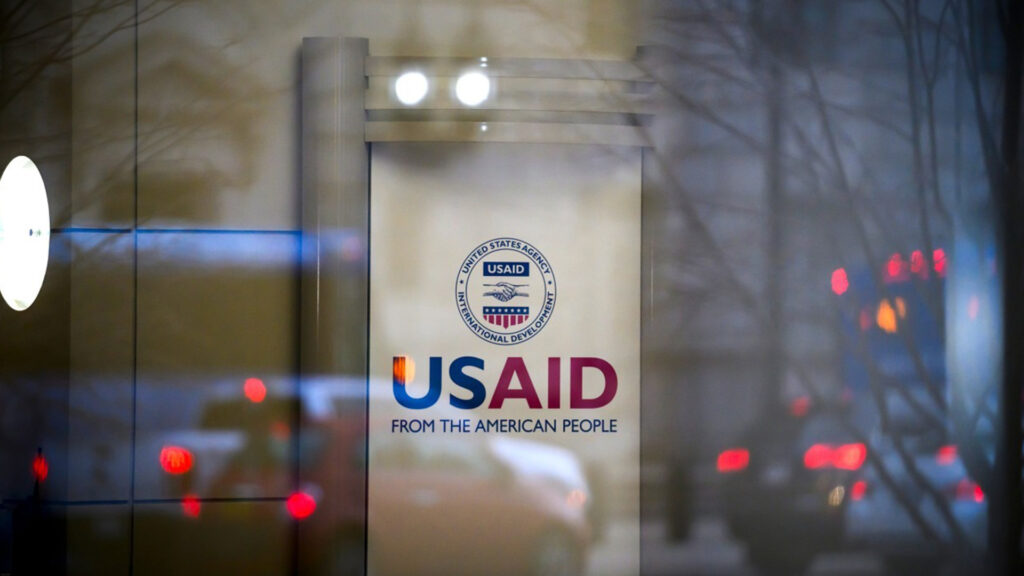
USAID places the global workforce on administrative leave amid restructuring. Learn how this policy shift impacts U.S. foreign aid.
 Tumisang Bogwasi Tumisang Bogwasi
In a sweeping policy shift, the U.S. Agency for International Development (USAID) announced that all direct hire personnel globally will be placed on administrative leave as of Friday, February 7, 2025, at 11:59 pm (EST).
The only exceptions will be designated personnel responsible for mission-critical functions, core leadership, and specific high-priority programs. This decision is part of a broader restructuring effort aimed at redefining the agency’s role in U.S. foreign assistance.
As USAID personnel brace for uncertainty, the U.S. Department of State is working on a transition plan that includes optional, agency-funded return travel for overseas staff, contract terminations, and individual case-by-case reviews. The move has sparked widespread debate over the implications for U.S. diplomatic missions, foreign aid programs, and geopolitical influence.
USAID, a key player in U.S. foreign aid and humanitarian assistance, has long been involved in development initiatives across over 130 countries. However, recent policy shifts under the Trump administration, coupled with recommendations from the Department of Government Efficiency (DOGE), have led to drastic reforms aimed at curbing government spending and increasing accountability.
The USAID directive places thousands of employees on administrative leave while the agency undergoes strategic restructuring. The announcement, released on USAID’s official website, states that essential personnel will be notified by February 6, while non-essential employees will face indefinite work suspensions.
For USAID staff currently posted abroad, the agency is coordinating with U.S. embassies and consulates to facilitate the return of non-essential personnel. The plan includes:
According to a Congressional Research Service report, USAID allocated approximately $43.4 billion in foreign assistance funding in 2023, raising concerns about the disruption of ongoing development programs due to the restructuring.
The restructuring of USAID is part of a broader foreign aid policy shift, with the Trump administration seeking to consolidate USAID’s functions under the State Department. While proponents argue that this will streamline aid distribution and reduce bureaucratic inefficiencies, critics warn of the potential collapse of critical humanitarian projects.
Key concerns include:
To clarify the policy changes, USAID released an FAQ document to guide employees through the transition. Some key points include:
No. While USAID is offering fully reimbursed return travel, employees are not required to accept it. However, after 30 days, agency-funded travel may no longer be available unless an exception request is approved.
Personnel under Personal Services Contracts (PSC) and Institutional Support Contracts (ISC) deemed non-essential will have their contracts terminated, subject to case-by-case considerations.
Employees may submit exception requests based on medical, family, or logistical concerns, such as dependents’ schooling schedules or personal safety issues. Further guidance will be provided in the coming weeks.
The future of USAID remains uncertain, with major decisions still pending regarding the long-term structure of U.S. foreign assistance. As discussions evolve, analysts predict three possible scenarios:
While the Trump administration frames the move as a necessary restructuring, opponents argue it risks damaging U.S. diplomatic influence and undermining global development initiatives.
The decision to place USAID personnel on administrative leave and restructure the agency’s operations is a pivotal moment in U.S. foreign aid policy. As the agency transitions under the State Department, the global aid community, lawmakers, and foreign governments are watching closely to assess the broader implications of this policy shift.
While the Trump administration and DOGE aim to enhance efficiency, the uncertainty surrounding USAID’s future workforce, funding allocations, and global mission leaves many unanswered questions about the long-term consequences for U.S. foreign aid.