Newsletter Subscribe
Enter your email address below and subscribe to our newsletter
Enter your email address below and subscribe to our newsletter


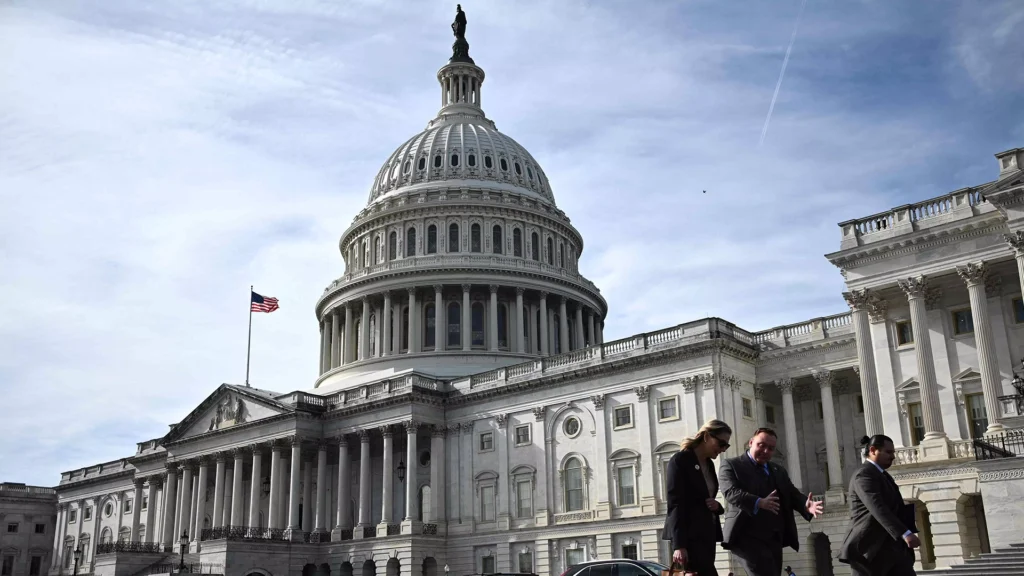
After a 41‑day standoff, the Senate passed a 60–40 bill to end the government shutdown and fund agencies through Jan. 30. Here’s what’s in it, what markets should watch, and the next steps in the House.
 Tumisang Bogwasi Tumisang Bogwasi
After 41 days of partial federal closure, the longest government shutdown in US history, the US Senate voted 60–40 to approve legislation to reopen the government, sending the measure to the House of Representatives for a final vote.
The bill extends funding for shuttered agencies through January 30 and pauses efforts to force immediate agency downsizing, according to floor summaries and press briefings.
The Senate cleared a bipartisan package that restores appropriations for affected departments and defers structural cuts until a broader spending deal is negotiated.
The vote capped weeks of stalemate centered on health‑care tax credits, border policy riders, and the scope of interim agency reductions. The measure now awaits action in the House, where leadership has indicated a rapid turnaround for floor consideration.
Description for this block. Use this space for describing your block. Any text will do. Description for this block. You can use this space for describing your block.
“The ayes are 60, the nays are 40. The bill, as amended, is passed.” — Presiding officer, final tally
“I know that the strain of these weeks has been immense… We are going to reopen government… ensure that federal employees… will now receive compensation… and we will also be able to celebrate on Veterans Day that we have passed the appropriations bill for the VA.” — Closing floor remarks
“I’m hoping that will be hours and not days, and I urge senators not to stand in the way of final passage.” — Sen. John Thune, floor remarks

The 60‑vote margin means at least a bipartisan bloc broke the impasse, providing political cover in both chambers to end the closure while preserving leverage for December negotiations. By decoupling funding from the most contentious policy riders, leaders created a two‑step path: reopen now, argue policy later.