Newsletter Subscribe
Enter your email address below and subscribe to our newsletter
Enter your email address below and subscribe to our newsletter


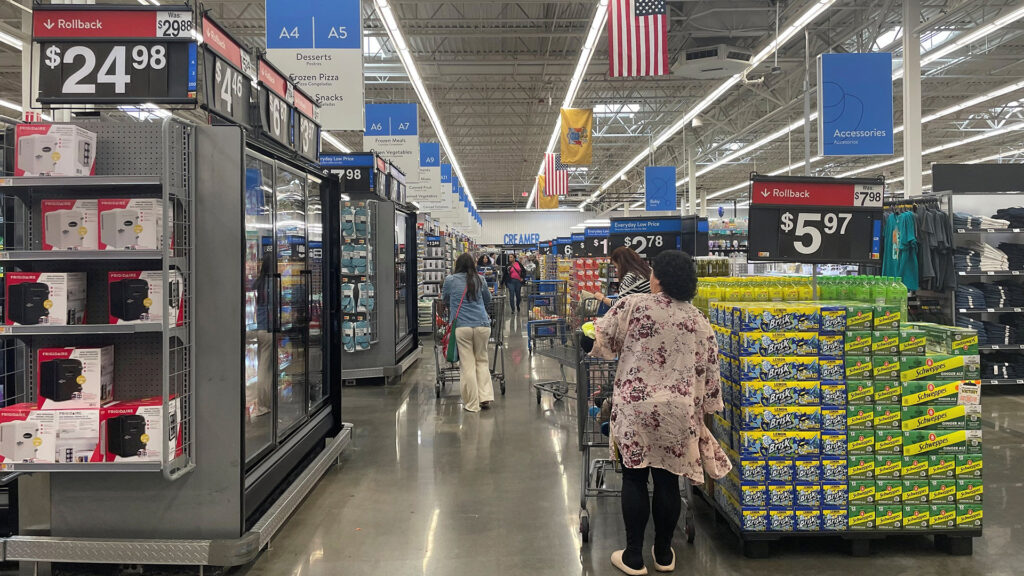
U.S. inflation falls to 2.4% in March, lowest since 2021, offering temporary relief amid tariff uncertainty.
 Tumisang Bogwasi Tumisang Bogwasi
In a surprise turn for markets and policymakers, the March U.S. Consumer Price Index (CPI) revealed a notable slowdown in inflation. The headline rate fell to 2.4%, below analysts’ expectations of 2.6% (a 4-year low).
The core inflation rate, which excludes volatile food and energy categories, also eased to 2.8%. This data—released as global markets brace for the potential impact of sweeping tariffs—is being viewed by some as a welcome, if temporary, reprieve.
According to data from the Bureau of Labor Statistics, the March inflation report marked the softest readings since the early stages of the COVID-19 pandemic. Rick Santelli of CNBC highlighted the surprise dip, especially as markets had priced in a modest uptick.
These figures point to easing price pressures, particularly in core goods. Key deceleration areas included vehicle insurance, commodities, and energy, which provided downward pressure on overall prices. Notably, vehicle insurance prices declined by 0.8%, offering relief to consumers.
The subdued inflation data coincides with ongoing shifts in global trade policy, particularly around tariffs. Financial markets have been jittery following President Donald Trump’s recent announcements of up to 125% tariffs on Chinese goods and temporary 10% reciprocal tariffs for over 75 countries negotiating new trade terms with the U.S.
Economist Steve Liesman pointed out that while the March numbers look promising, there may be “a calm before the storm” effect in play. The full inflationary impact of tariffs—especially on imported goods and commodities—may yet be felt in the months ahead.
Despite a momentary sigh of relief, many analysts caution that tariffs are inflationary by nature. According to Wells Fargo, the average U.S. tariff remains at 27%, even after the recent adjustments. Other estimates hover around 23-24%, raising concerns that input costs for manufacturers and importers will rise significantly.
The drop in inflation offers a mixed bag for the business community:
Wall Street’s initial response was cautious. Major indexes dipped early in the trading session, led by the Dow Jones Industrial Average, which fell 478.23 points. Bond yields remained largely steady, reflecting a balance between easing inflation and looming uncertainty.
The Federal Reserve will likely interpret this data as supportive of their wait-and-see approach. However, any upward revisions to tariffs, energy shocks, or geopolitical disruptions could quickly reverse the trend. Investors, policymakers, and businesses should treat March’s CPI dip as “a tactical pause” in an otherwise volatile economic narrative.