Newsletter Subscribe
Enter your email address below and subscribe to our newsletter
Enter your email address below and subscribe to our newsletter


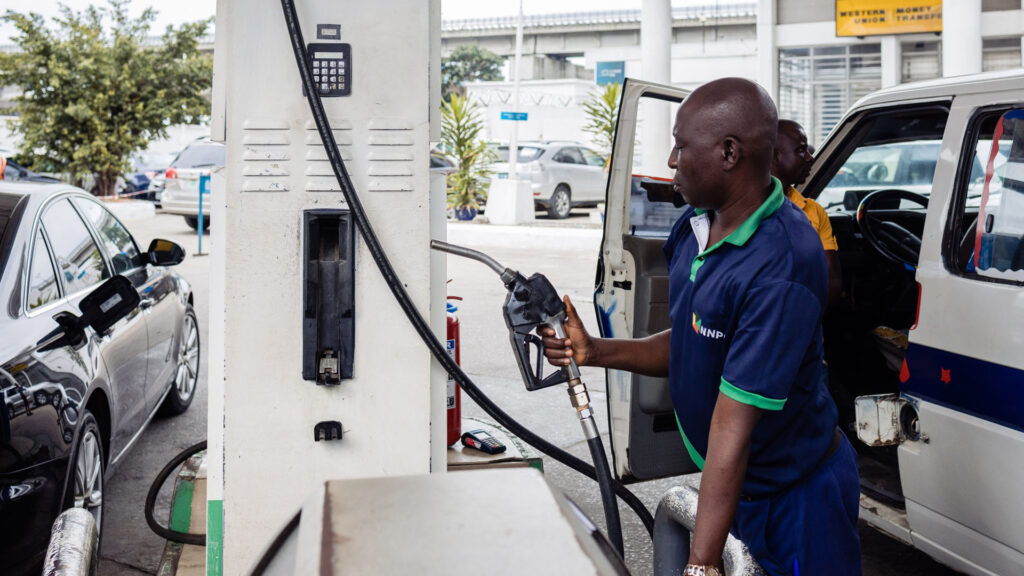
Discover how Nigeria's escalating gasoline debt is causing disruptions in the fuel supply chain, raising concerns about the country's energy security.
 Tumisang Bogwasi Tumisang Bogwasi
Nigeria, Africa’s largest oil producer, finds itself in a precarious position as its debt to gasoline suppliers has ballooned to over $6 billion, doubling since early April. This financial strain stems from the state oil firm NNPC’s efforts to bridge the gap between fixed pump prices and soaring international fuel costs.
President Bola Tinubu’s administration initially moved to end the costly fuel subsidies last year, allowing pump prices to triple. However, facing public backlash amid rising living costs, NNPC reimposed a price cap.
This decision, coupled with a sharp devaluation of the naira, has effectively reinstated the subsidy system, with the government projecting a $3.7 billion subsidy bill for 2023.
Nigeria’s struggle with fuel subsidies is not unique. Across Africa and beyond, governments are grappling with the challenge of balancing economic reforms with social stability:
The mounting debt is causing ripples through Nigeria’s fuel supply chain:
Commodity traders, while accustomed to operating in high-risk environments, implement strict credit limits to manage exposure. The current situation in Nigeria is testing these risk management strategies, potentially leading to a tightening of supply.
The supply chain disruptions are already manifesting on the ground, with fresh fuel queues forming in Lagos this week. This development threatens to exacerbate the already challenging economic conditions faced by Nigerian citizens.
Despite being Africa’s largest oil exporter, Nigeria imports virtually all its fuel due to years of neglect of its state-owned refineries. The recently opened Dangote refinery, while promising, has yet to produce marketable gasoline and is currently selling other fuels abroad.
To address its liquidity crunch, NNPC has taken several steps:
As Nigeria navigates this complex landscape, the government faces the challenging task of balancing fiscal responsibility with social stability. The outcome of this fuel subsidy dilemma will have far-reaching implications for Nigeria’s economy, its citizens, and its standing in the global oil market.
The situation underscores the urgent need for structural reforms in Nigeria’s energy sector and highlights the broader challenges faced by resource-rich nations in managing their natural wealth for sustainable economic development.