Newsletter Subscribe
Enter your email address below and subscribe to our newsletter
Enter your email address below and subscribe to our newsletter


Trump's tariff strategy begins to bear fruit as countries move towards bilateral deals and reduced trade barriers.
 Tumisang Bogwasi Tumisang Bogwasi
President Donald Trump’s sweeping tariff policy, which has jolted global markets and reignited debates on trade sovereignty, may now be yielding a strategic advantage.
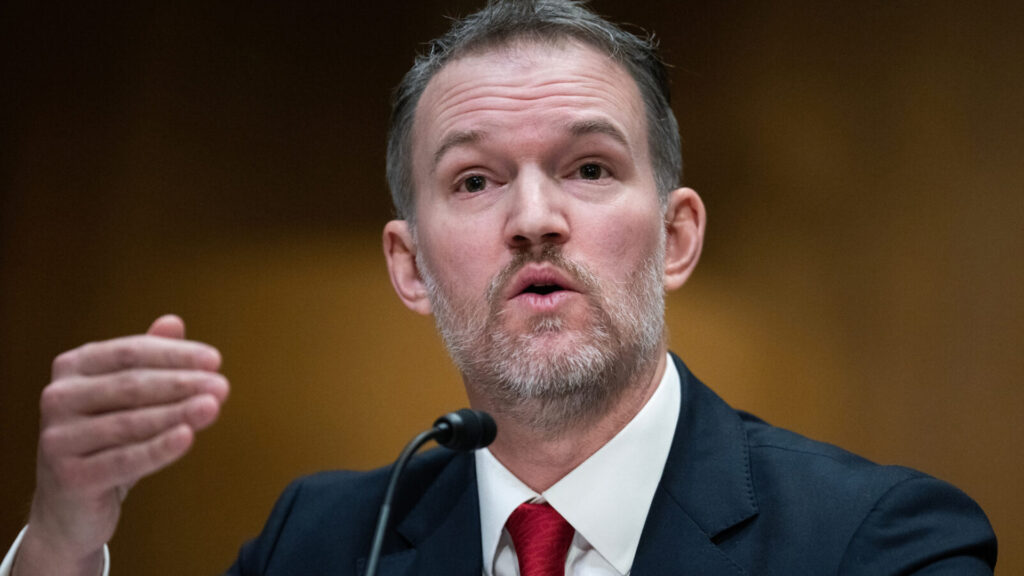
According to U.S. Trade Representative Jamieson Greer, nearly 50 countries have approached the United States to open trade talks in the aftermath of the ‘Liberation Day’ tariff announcement. Greer will present this data to the Senate Finance Committee in a Tuesday hearing.
Greer’s written testimony, seen by Reuters, indicates that countries across multiple continents are reassessing their trade positions. Argentina, Vietnam, and Israel have expressed readiness to reduce tariffs and non-tariff barriers—a marked shift in tone from the days of mutual threats and tit-for-tat trade restrictions.
“These obviously are welcome moves,” said Greer. “Our large and persistent trade deficit has been over 30 years in the making, and it will not be resolved overnight, but all of this is in the right direction.”
Greer’s position aligns with National Economic Council Director Kevin Hassett’s recent comments that the White House has received growing interest from international trade negotiators. While critics of the Trump tariffs highlight risks of recession and inflation, others argue that the strategy is reshaping global supply chains and encouraging onshoring.
One automaker, for instance, reportedly shifted vehicle production from Mexico to Indiana, a move Greer cites as proof that the plan is working.
Still, Greer was cautious: “We must move away from an economy based solely on the financial sector and government spending and become an economy based on producing real goods and services.”
This sentiment echoes concerns raised by conservative economists that globalization has hollowed out industrial capabilities in favor of short-term financial returns.
Trump’s policies appear to be recalibrating trade deficits and the philosophy behind trade negotiations. Instead of blanket free trade under globalist frameworks, countries are now exploring mutually beneficial bilateral arrangements. This approach, though contentious, is seen by many in emerging markets as an opportunity to redefine trade in terms that favor local industry and national interests.
As Africa, Latin America, and parts of Asia seek to localize production and assert more control over supply chains, the willingness to enter into new trade negotiations could indicate a fundamental shift away from dependency.
If sustained, this engagement may help build a new global trade order that moves beyond abstract globalism and into tangible reciprocity. The transition will involve economic friction, including potential short-term price hikes and supply bottlenecks.
How these trade negotiations unfold in the coming months could determine the economic trajectory of dozens of countries and the future of international commerce.