Newsletter Subscribe
Enter your email address below and subscribe to our newsletter
Enter your email address below and subscribe to our newsletter


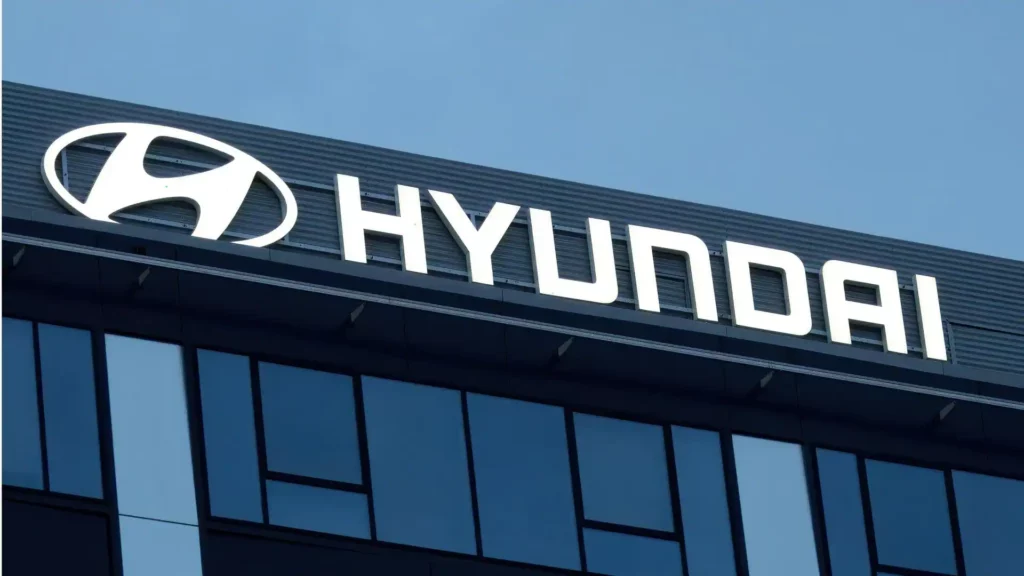
Hyundai commits $20B to U.S. manufacturing in latest Trump-era reshoring success—millions of cars to be made in Alabama and Georgia.
 Tumisang Bogwasi Tumisang Bogwasi
Hyundai Motor Company has announced a landmark $20 billion investment in U.S. manufacturing, marking a major vote of confidence in America’s industrial base. With $5.8 million earmarked for a next-generation steel plant and the remainder designated to expand operations at its Alabama and Georgia facilities, Hyundai joins a growing list of corporations responding to the Trump administration’s push to bring manufacturing back to American soil.
Hyundai’s planned steel plant will supply its U.S. vehicle production lines, directly creating over 1,400 jobs and indirectly supporting thousands more through its supply chain. The company’s facilities in Montgomery, Alabama and West Point, Georgia are expected to produce more than 1 million vehicles annually, aligning with the Trump administration’s goal of restoring America’s manufacturing strength.

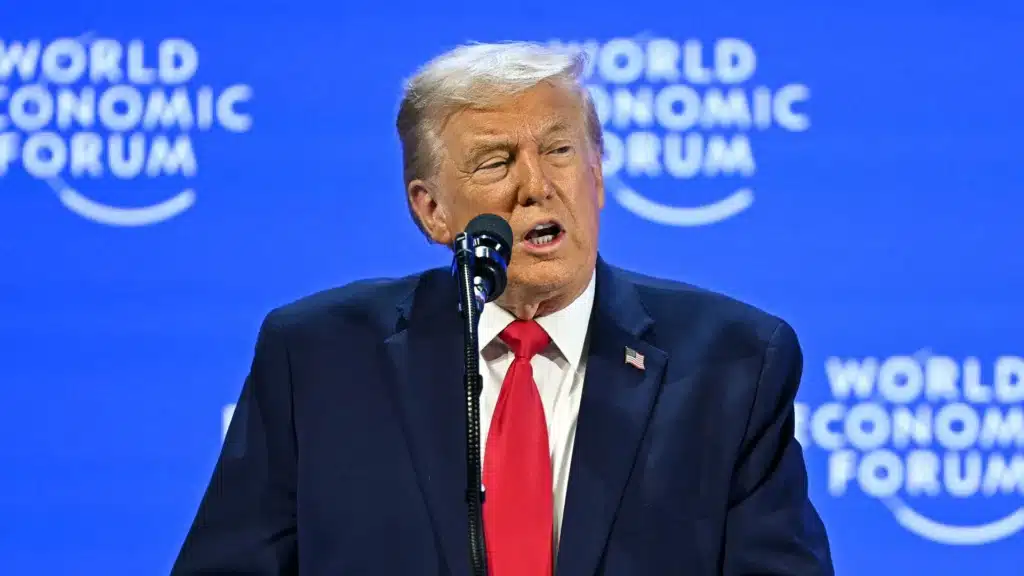
President Donald Trump hailed the announcement, saying: “This investment is a clear demonstration that tariffs very strongly work. The cars are coming into this country at levels never seen before. Get ready.”
Vice President JD Vance echoed this sentiment on X, promising that companies investing in America would be rewarded through lower taxes and deregulation, while warning that those who build abroad would be left to face higher barriers.
Hyundai is not alone. Major corporations are signaling a manufacturing renaissance in the U.S.:
These announcements follow a series of tariff-driven supply chain shifts that have incentivized global companies to relocate manufacturing back to the United States.
By localizing production, the U.S. reduces its reliance on foreign-made goods, a key concern highlighted during global supply chain disruptions. Semiconductors, pharmaceuticals, vehicles, and critical infrastructure components are now manufactured stateside.
These investments are expected to create hundreds of thousands of high-paying jobs, revitalize regional economies, and help rebuild the American middle class.
Economist Michael Szanto notes that reshoring will be a long journey: “Building advanced factories like chip foundries takes years and billions of dollars. In the short term, prices may rise due to labor and construction shortages.”
However, he also pointed to the U.S.’s advantage in energy resources and future advances in automation and robotics as catalysts for long-term productivity and sustainability.
Hyundai’s $20 billion investment symbolizes a broader shift in global corporate behavior toward “Made in America”. Fueled by policy incentives and a focus on economic self-reliance, the U.S. is entering a new era of industrial revival and job creation. As manufacturing comes home, America’s economic engine is once again gearing up for growth.