Enter your email address below and subscribe to our newsletter

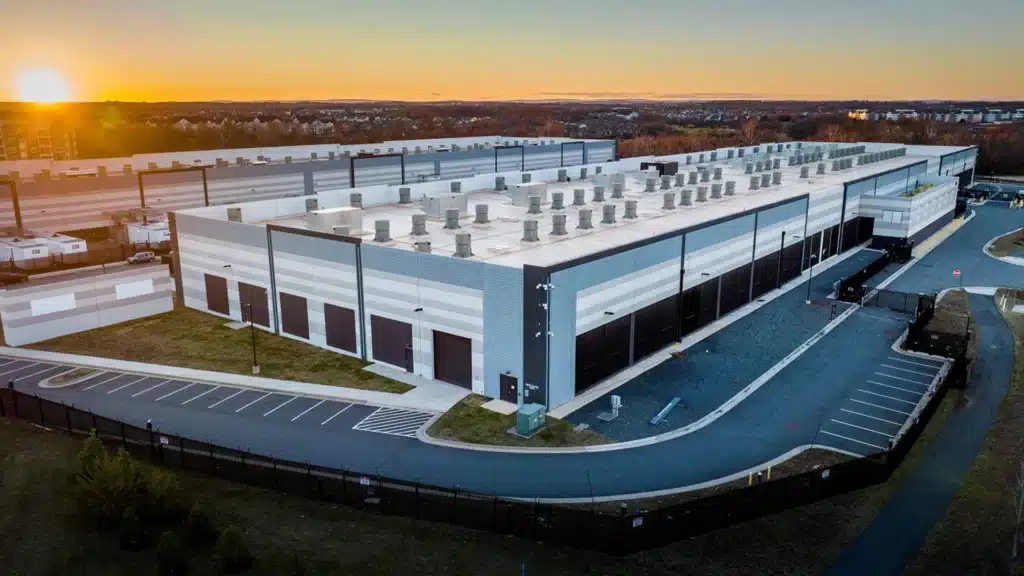
Aerial view of the colossus 2 data center under construction by xai in memphis showing large warehouse structures and surrounding infrastructure

Colossus: The World’s Largest AI Datacenter Isn’t What It Seems

Colossus is more than a datacenter, it’s a geopolitical asset. This article explores the hidden strategy behind the world’s largest AI compute facility and its implications for global power.

Written By: author avatar Tumisang Bogwasi
author avatar Tumisang Bogwasi
Tumisang Bogwasi, Founder & CEO of Brimco. 2X Award-Winning Entrepreneur. It all started with a popsicle stand.

Share your love

The global race to build the world’s most powerful AI infrastructure has reached a new peak with Colossus, a datacenter project widely regarded as the largest AI computing facility ever attempted.

But behind its scale, its secrecy, and its breathtaking ambition lies a deeper story; one that blends geopolitics, corporate strategy, energy economics, environmental pressure, and the shifting balance of technological power.

Colossus is not merely a data center. It is a geostrategic asset, a signal of where the next battles for national competitiveness will be fought. Its existence reveals how AI is reshaping everything, from global supply chains to national energy policy.

Highlights

  • Colossus is billed as the world’s largest AI datacenter, with unprecedented compute capacity.
  • Experts argue the project is less about capacity and more about geopolitical leverage.
  • Energy usage raises major environmental and grid stability concerns.
  • The facility demonstrates the shift from cloud-first to AI-first infrastructure.
  • Signals intensifying global competition for chips, compute, and sovereignty.

What Colossus Really Represents

Colossus symbolizes the global shift from traditional cloud computing to AI-native hyperscale compute ecosystems. Unlike conventional datacenters focused on storage and content delivery, Colossus is designed for:

  • frontier AI model training,
  • autonomous agent processing,
  • defense and intelligence computation,
  • supercomputing-level simulation,
  • and continuous large-scale inference.

This shift positions compute not as infrastructure, but as national competitive advantage.

The Secrecy: What’s Being Hidden?

According to analysts, the Colossus project has an unusually opaque operational footprint:

  • undisclosed investor structures,
  • classified partnership agreements,
  • and deliberate masking of supply chain origins.

This suggests involvement from:

  • national security agencies,
  • multinational defense contractors,
  • and sovereign wealth funds seeking compute dominance.

Some experts believe Colossus may be part of a broader effort to secure sovereign AI independence: free from U.S., Chinese, or European constraints.

Rows of high density server racks inside the colossus 2 data center showing interconnected hardware power cables and cooling systems
High density server racks inside Colossus 2 xAIs data center illustrating the scale and complexity of its computing infrastructure

The Energy Question: Colossus’ Hidden Cost

Training next-generation AI models consumes vast amounts of electricity. Colossus reportedly requires hundreds of megawatts, placing pressure on:

  • local grids,
  • renewable energy supply chains,
  • and regional water resources.

This raises concerns similar to those facing other hyperscalers:

  • Microsoft’s energy-intensive AI clusters,
  • Google’s escalating water usage for cooling,
  • Amazon’s race to secure nuclear and renewable sources.

The Geopolitics of Compute

In today’s world, data centers are geopolitical chess pieces. Colossus is positioned at a strategic crossroads:

  • controlling compute means controlling AI development,
  • nations seek independence from foreign chip suppliers,
  • AI infrastructure is becoming part of national defense capability.

Colossus’ purpose goes beyond commercial AI, it represents a bid for technological primacy.

Why the World Should Pay Attention

The rise of Colossus showcases three global trends:

  1. Compute Sovereignty — Nations are fighting to own their AI future.
  2. Infrastructure Arms Race — Hyperscalers and governments investing billions in energy + chips.
  3. Strategic Secrecy — Major AI projects moving underground, away from public scrutiny.

As AI becomes central to economic, military, and cultural influence, oversize datacenters like Colossus will quietly determine global power hierarchies.

Who Benefits Most?

While few companies can operate a facility like Colossus, the winners include:

  • frontier AI developers needing enormous training capacity,
  • intelligence communities requiring high-speed computation,
  • sovereign nations seeking digital independence,
  • chip manufacturers supplying high-density architectures.

But the biggest beneficiary may be the government backing the project, using Colossus as a lever to shape global AI standards.

Outlook: Colossus Is a Warning, Not Just a Milestone

Colossus is a testament to possibility, but also a warning. It signals a future where:

  • compute scarcity becomes a national threat,
  • energy becomes the currency of AI power,
  • and the world’s most advanced infrastructure may operate quietly in the shadows.

The global AI race is no longer about startups or models: it is about infrastructure, energy, and sovereign capability. Colossus is simply the first visible sign of a much larger shift.

Tumisang Bogwasi
Tumisang Bogwasi

Tumisang Bogwasi, Founder & CEO of Brimco. 2X Award-Winning Entrepreneur. It all started with a popsicle stand.