Newsletter Subscribe
Enter your email address below and subscribe to our newsletter
Enter your email address below and subscribe to our newsletter


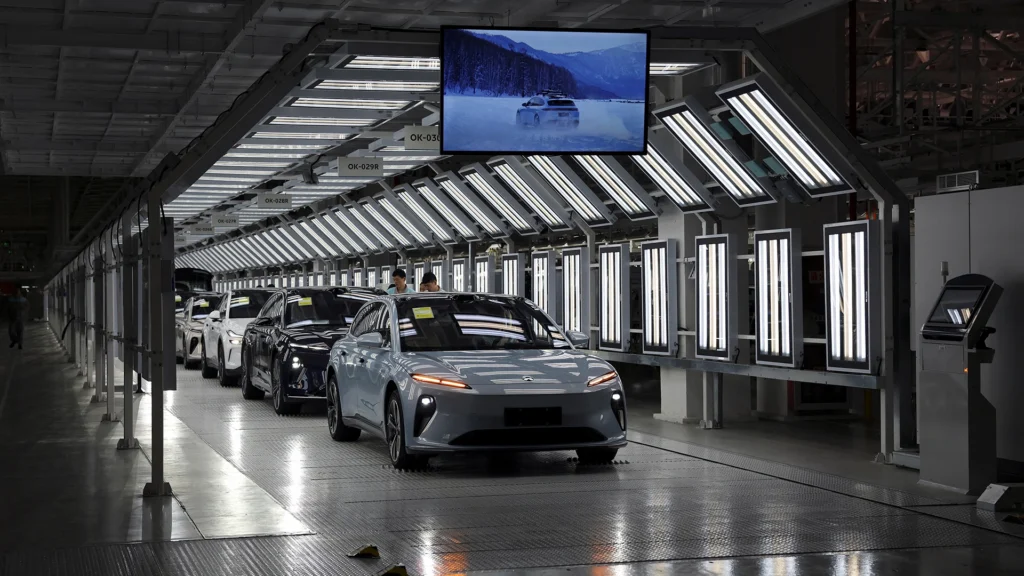
China’s aggressive export of petrol-powered cars to emerging markets helps absorb domestic overcapacity — but also rewrites global trade, geopolitics, and emissions trajectories.
 Tumisang Bogwasi Tumisang Bogwasi
As the global automotive industry pivots toward electrification, China is taking a counterintuitive (yet strategically calculated) path: flooding emerging markets with petrol-powered vehicles.
While Western governments tighten emissions regulations and automakers invest heavily in EV innovation, Beijing is offloading millions of surplus internal-combustion cars into Africa, Latin America, the Middle East, and Southeast Asia.
This move has profound geopolitical and economic implications. It allows China to deepen trade relationships, capture market share, export overcapacity, and shape developing nations’ mobility futures, while reinforcing its own industrial dominance.
China produces more vehicles than its domestic market can absorb, a structural issue created by:
Rather than shutting factories or cutting output, China is leveraging global markets to export excess inventory. Petrol cars, still cheap to produce and now facing declining demand at home, are being pushed aggressively abroad.
Developing nations represent the world’s largest untapped automotive markets. Most lack:
For many buyers, petrol cars remain practical and accessible.
China capitalises on this by offering:
This strategy mirrors how China captured global smartphone markets a decade ago.
While Europe and the U.S. push EV mandates, Western automakers are:
This creates a vacuum, one China is aggressively filling.
Brands like Chery, Great Wall Motors, Geely, and SAIC are becoming household names in Africa and Latin America.
China’s petrol car push is not merely economic, it’s geopolitical.
By supplying affordable vehicles to emerging economies, Beijing is:
As car brands become national infrastructure, influence deepens.
Critics warn that this mass export of petrol vehicles risks:
Without incentives or support for EV adoption, emerging markets may become the world’s petrol dumping ground.
For many countries, the choice is stark:
China is offering immediate solutions, and many governments are accepting.
This tension will define the automotive strategy of developing nations for the next decade.
China’s petrol car push is reshaping global automotive power. By exporting surplus combustion vehicles, Beijing is:
But it also raises critical questions about global emissions, economic dependency, and long-term sustainability.
For now, one thing is certain: China is not just participating in the global auto market, it is reorganizing it.