Newsletter Subscribe
Enter your email address below and subscribe to our newsletter
Enter your email address below and subscribe to our newsletter


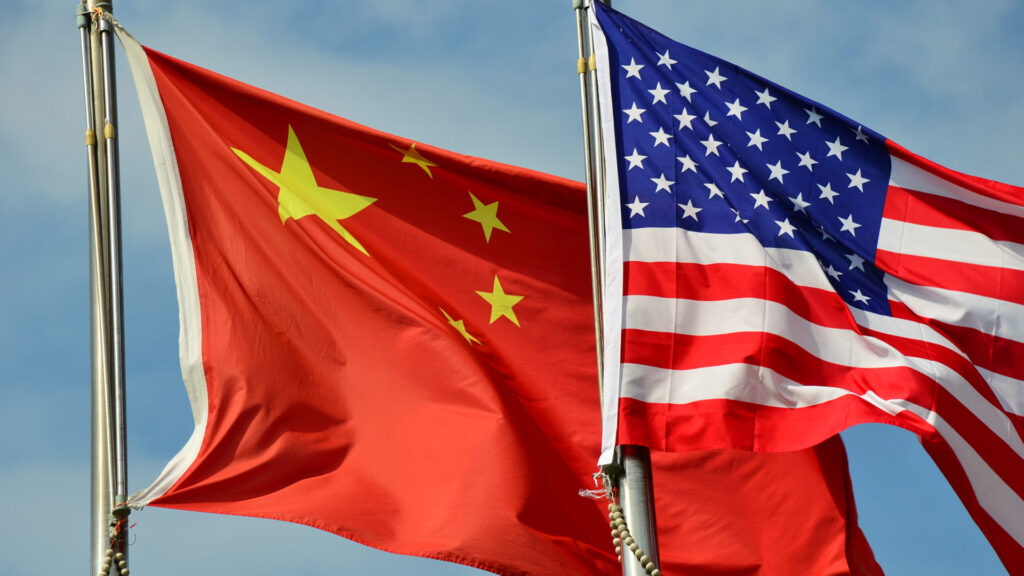
US-China trade war negotiations to take place in Switzerland amid economic pressure. Key insights for businesses and investors.
 Tumisang Bogwasi Tumisang Bogwasi
In a surprising development, US officials are set to meet with their Chinese counterparts in Switzerland to discuss ongoing trade tensions. The announcement by Treasury Secretary Scott Bessent has sparked global speculation about the potential outcomes of this high-stakes diplomatic encounter.
As trade wars continue to impact global markets, businesses and political analysts alike are keenly observing the implications of these negotiations.
Trade tensions between the United States and China have persisted for years, significantly impacting global markets and supply chains.
Under President Trump’s leadership, the US imposed steep tariffs on Chinese goods to rebalance trade relationships and protect American industries. China responded with reciprocal tariffs, leading to a prolonged standoff that has disrupted international commerce.
China has faced increasing economic strain in recent months as American companies have begun to diversify their supply chains. The US sees this shift as a strategic move to reduce dependency on Chinese manufacturing, particularly in key sectors such as technology and pharmaceuticals.
The upcoming meeting in Switzerland may signal a willingness from both sides to mitigate the ongoing economic damage.
While the trade war has created uncertainty, many businesses have begun to adapt by seeking alternative production hubs. Southeast Asian countries, such as Vietnam and Indonesia, have emerged as viable alternatives for manufacturers.
Meanwhile, American firms are reshoring critical industries, particularly those related to national security, like semiconductors and medical supplies.
Experts are divided on the likely outcomes of the meeting. While some believe the talks could reduce tariffs, others think that China’s economic position may force them to seek long-term concessions.
The US, meanwhile, is likely to push for structural changes, including addressing intellectual property theft and unfair trade practices.
Political analysts note that President Trump’s negotiation style often involves maintaining strategic ambiguity, which keeps allies and adversaries guessing. While unsettling for financial markets, this approach has pressured China into reassessing its trade policies.
Should the talks result in tangible progress, it could bolster investor confidence and stabilize markets, albeit temporarily.
The upcoming trade talks between the US and China are critical in the ongoing trade war. With both sides facing economic pressures, the world watches to see if diplomacy can succeed where economic coercion has failed. Businesses are advised to stay prepared for multiple scenarios, from easing tensions to further escalation.