Newsletter Subscribe
Enter your email address below and subscribe to our newsletter
Enter your email address below and subscribe to our newsletter


 Nonofo Joel Nonofo Joel
| Getting your Trinity Audio player ready... |
Every business collects data from sales reports and website clicks to customer feedback and supply chain updates. But much of that data never gets used. Research shows that most organizations fail to analyze over half of the data they store. This means decisions are often based on incomplete information.
When data lives in separate systems, teams can’t see the full picture. The result is slower decisions, duplicated work, and missed opportunities.
That’s where connected data comes in. Instead of treating every dataset as a separate piece, connected data links information across departments and systems. It helps businesses understand how things relate not just what they are. As businesses face more complex challenges, the ability to connect data is changing how leaders think, plan, and act. It’s helping them move from assumptions to evidence, from reactive fixes to proactive strategies.
The problem today isn’t collecting too little data it’s collecting too much. Companies are surrounded by numbers, reports, and dashboards, but few know how to turn that information into understanding.
Connected data changes this by focusing on relationships. Instead of treating every record as a separate item, it shows how data connects like linking a customer’s purchase history with their recent feedback. This helps teams see patterns they couldn’t see before.
The goal isn’t to gather more data; it’s to make sense of what already exists. With connected data, businesses can shift from measuring activity to understanding behavior, which leads to better decisions.
Artificial intelligence depends on the quality and structure of the data it learns from. When data is disconnected or inconsistent, AI models produce weak results.
A knowledge graph gives AI the context it needs. It connects data from across systems and helps algorithms understand relationships not just values. This makes AI predictions more accurate and less likely to produce irrelevant or biased outputs.
For example, in customer service, an AI chatbot trained on connected data can see how past issues relate to current ones. It can offer solutions that reflect real business logic, not just generic responses.
Connected data doesn’t just make AI smarter it makes it more aligned with business goals.
Many organizations work in silos. Marketing, finance, sales, and operations each manage their own systems and metrics. When teams don’t share information, decisions lose context.
Connected data brings these groups together by allowing systems to communicate. A marketing dashboard can draw insights from the same customer data that sales or support use. This shared visibility helps teams collaborate more effectively because they’re looking at the same information.
It also reduces duplication. Instead of every department building its own reports, they can use shared data sources that update automatically. This creates a single, reliable version of the truth.
Facts alone don’t make good decisions context does. A sales dip could mean poor performance, or it could reflect a seasonal slowdown. Without understanding what else is happening, numbers can be misleading.
Connected data helps leaders see the why behind the what. By linking internal and external data sources, teams gain a broader view of performance. For instance, a company could connect marketing data with inventory and customer sentiment to see how promotions affect demand and satisfaction.
When data carries context, it becomes more trustworthy. Teams spend less time debating numbers and more time deciding what to do next.
Traditional business reports often look backward. By the time teams review quarterly results or campaign summaries, the market has already changed. Connected data allows businesses to work with real-time information instead of waiting for updates.
When systems are linked, new information automatically updates across platforms. If sales drop or customer sentiment changes, teams can see it immediately and respond. This ability to act fast helps companies reduce delays and avoid missed opportunities.
For example, in retail, connected data can combine live inventory data with sales trends and weather forecasts. If demand spikes, stores can restock the right products before they run out. This kind of agility wasn’t possible when each system worked in isolation.
Real-time insights also reduce risk. Leaders can detect problems earlier whether it’s a sudden drop in customer satisfaction or a supply chain issue and fix them before they grow.
Automation works best when data flows smoothly across systems. When information is disconnected, even small processes require manual effort checking spreadsheets, verifying inputs, or sending updates between teams.
Connected data removes those barriers. It allows systems to trigger actions automatically based on real-time conditions. For example, if a new order affects inventory levels, connected data can automatically alert suppliers or schedule shipments.
This kind of automation saves time and reduces human error. It also helps employees focus on higher-value tasks instead of repetitive data entry. In many organizations, connected data has become the foundation for intelligent workflows that operate continuously in the background.
As automation expands, connected data ensures decisions remain transparent and traceable. Every automated step links back to a clear data trail, so teams can review outcomes with confidence.
Every business faces risks financial, operational, or compliance-related. Many of these risks arise from information gaps. When data isn’t shared, warning signs go unnoticed.
Connected data improves visibility by combining insights from across the organization. Linking financial transactions, supplier data, and audit logs helps detect inconsistencies early. If something looks unusual, teams can investigate before it becomes a major problem.
In regulated industries like finance and healthcare, connected data also helps meet compliance requirements. It ensures records stay accurate, complete, and easy to trace. That not only reduces the chance of penalties but also builds trust with partners and customers.
The key advantage here is foresight. Instead of reacting after an issue occurs, connected data enables prevention by showing where vulnerabilities may appear.
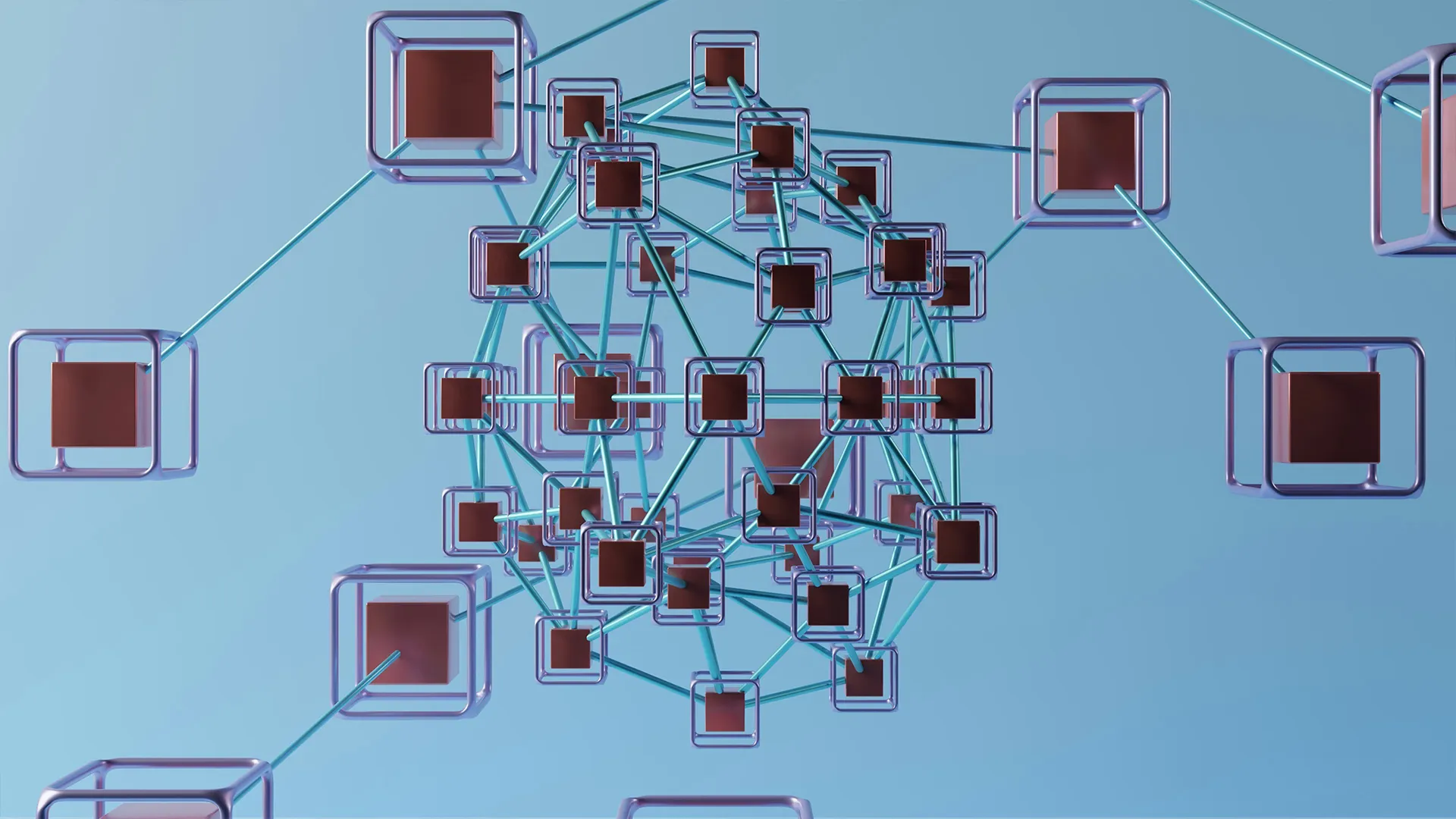
Connected data is transforming how organizations think and operate. It turns isolated information into a living network of insights that helps teams move faster and act with confidence.
The shift isn’t just technical it’s strategic. Companies that connect their data build a foundation for innovation and better decision-making. They don’t wait for reports; they act on live intelligence. They don’t rely on assumptions; they use facts in context.
As competition grows and technology evolves, businesses that embrace connected data will lead the way not just by working harder, but by thinking smarter.