Newsletter Subscribe
Enter your email address below and subscribe to our newsletter
Enter your email address below and subscribe to our newsletter


 Nonofo Joel Nonofo Joel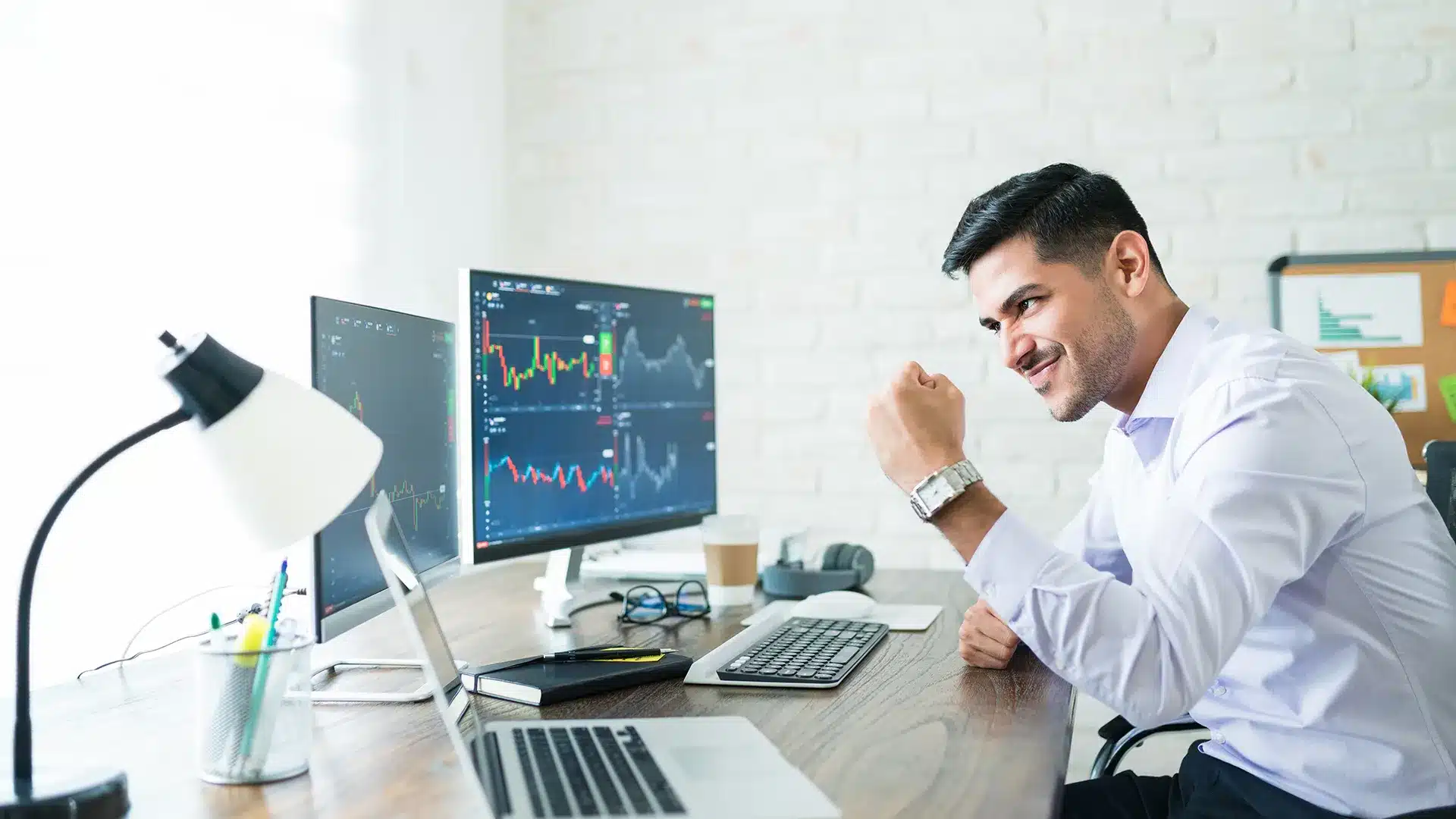
In fast-moving financial markets, timing isn’t just important—it’s everything. For active traders, opportunities can appear and disappear in seconds, and the ability to monitor price movements, indicators, and news in real time often separates missed chances from well-executed trades. Unlike long-term investors who may review positions periodically, active traders rely on constant visibility and responsiveness.
As trading strategies have become more data-driven and execution-sensitive, the tools and systems traders use have evolved as well. Real-time tracking today goes far beyond watching a single chart. It involves infrastructure, technology, and workflows designed to keep traders connected to markets at all times.
Having said that, let’s know how active traders track market opportunities in real time these days!
At the core of real-time trading is uninterrupted access to live market data. Active traders monitor price action, volume, order flow, and technical indicators across multiple instruments—often simultaneously. Delays of even a few seconds can impact execution quality, especially for day traders or scalpers.
To maintain consistent access, many traders rely on dedicated environments like a NinjaTrader VPS. This allows trading platforms to run continuously without being affected by:
In fact, services such as Ninja Mobile Trader VPS are designed specifically for traders who need stable, low-latency connections to their trading software, even when they’re away from their primary workstation. By hosting trading platforms on a virtual private server, traders can monitor and manage positions in real time without being tied to a single physical setup.
Active traders rarely focus on just one chart. Many track multiple markets, timeframes, and indicators at once to identify correlations and confirm signals. This often means monitoring:
Whether using physical multi-monitor setups or virtual dashboards, the goal is to reduce blind spots. Real-time awareness across markets allows traders to react quickly when conditions align with their strategy.
Even the most focused trader can’t watch every movement manually. This is why alerts and automation play a major role in real-time opportunity tracking. Custom alerts notify traders when prices reach certain levels, indicators cross, or volatility spikes—allowing them to respond immediately.
Common tools include:
Running these tools in an always-on environment ensures alerts and systems function even if the trader steps away. This reduces missed opportunities and helps maintain discipline during volatile market conditions.
Execution speed matters most when markets move quickly. Latency—the delay between placing an order and its execution—can affect entry price, slippage, and overall performance. Active traders often look for infrastructure that minimizes these delays.
Key considerations include:
By using cloud-based trading environments, traders reduce dependence on home internet connections and hardware limitations. This stability supports more confident decision-making when seconds matter.
Tracking opportunities isn’t only about finding entries—it’s also about managing risk as conditions change. Real-time monitoring allows traders to adjust stop-losses, scale positions, or exit trades when market behavior shifts unexpectedly.
Active risk management includes:
Real-time systems help traders stay proactive rather than reactive, which is especially important during sudden market events.
There’s no single “right” way to track markets in real time. The most effective setups are those aligned with a trader’s strategy, time horizon, and risk tolerance. Some traders prefer high-frequency execution environments, while others focus on structured intraday setups with defined windows of activity.
What matters most is that the workflow:
Technology should enhance decision-making—not complicate it.
Active trading demands more than strategy alone—it requires real-time awareness, reliable infrastructure, and systems that keep traders connected when opportunities emerge. From live data access and alerts to stable execution environments, every component plays a role in how effectively traders can track and act on market movements.
As markets continue to evolve, traders who invest in dependable tools and always-on systems are better positioned to respond with clarity and confidence. All in all, real-time tracking isn’t about chasing every move—it’s about being ready when the right opportunity appears.