Newsletter Subscribe
Enter your email address below and subscribe to our newsletter
Enter your email address below and subscribe to our newsletter


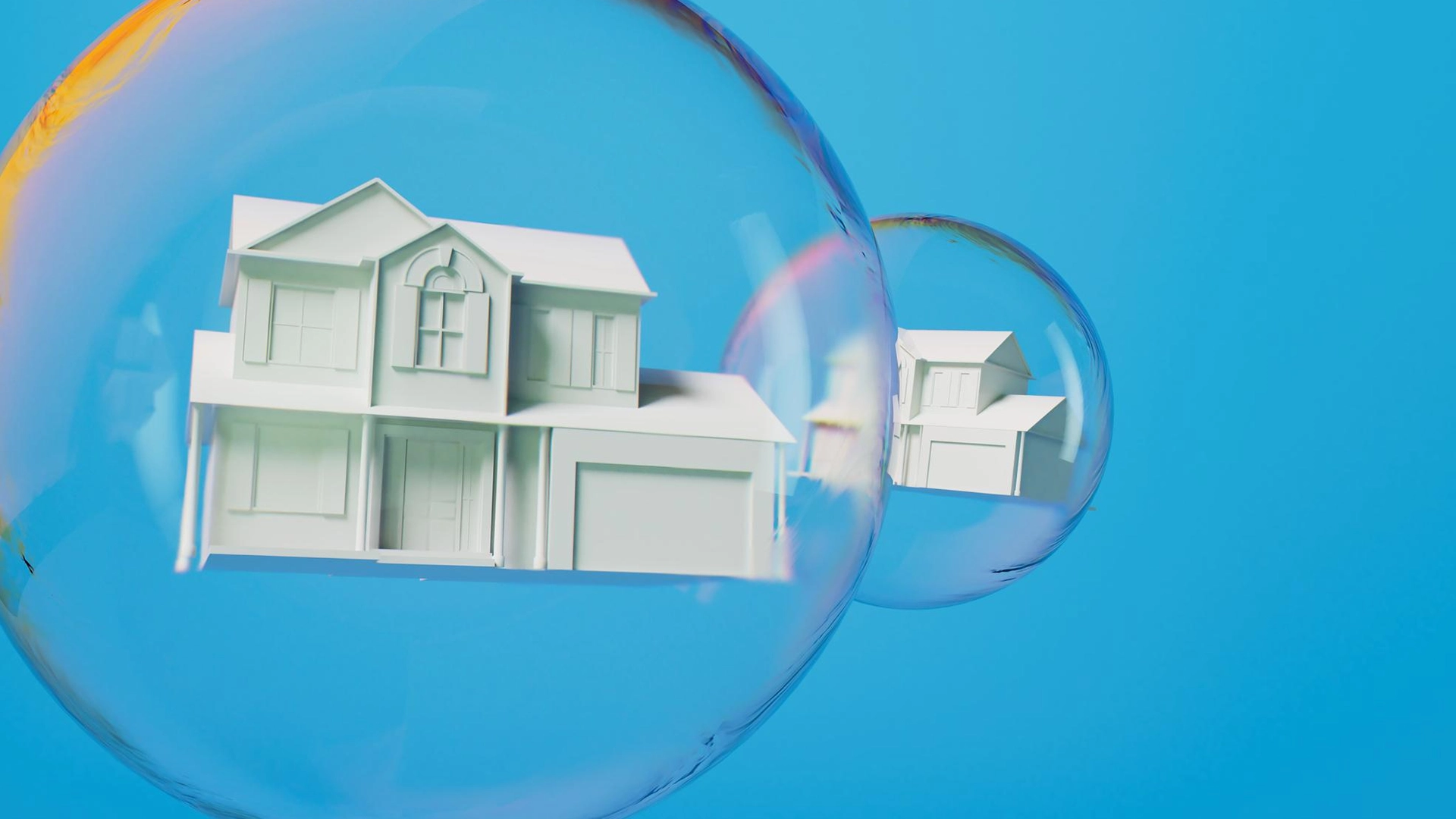
This article explains what was the housing bubble, detailing the factors that fueled it, its burst, and the resulting global financial crisis.
 Tumisang Bogwasi Tumisang Bogwasi
| Getting your Trinity Audio player ready... |
In the mid-2000s, the world stood on the brink of an unprecedented financial storm. What began as a surge in U.S. housing prices quickly spiraled into a global crisis, ignited by a cascade of margin calls that sent shockwaves through financial markets worldwide.
Investment banks, hedge funds, and financial institutions found themselves scrambling to cover massive losses as mortgage-backed securities (once considered safe investments) plummeted in value.
The chaos that ensued was felt far beyond Wall Street, triggering a ripple effect that disrupted economies across continents, shuttered businesses, and led to soaring unemployment. This interconnectedness of global financial markets revealed just how deeply the 2000s housing bubble was woven into the fabric of the world economy.
In this article, we explore the origins of that bubble, the factors that fueled it, and the profound consequences that reshaped the housing market and financial systems worldwide.
Definition of the Housing Bubble
A housing bubble is a rapid and unsustainable increase in housing prices driven by excessive demand, speculation, and often fueled by loose credit conditions, which eventually leads to a sharp decline when the bubble bursts.
A housing bubble occurs when home prices rise rapidly beyond their intrinsic value, driven primarily by speculative buying, easy access to mortgage loans (including risky loans like subprime loans), and the expectation that prices will continue to climb. The housing bubble occurred in the early 2000s, driven by low interest rates, relaxed lending standards, and a surge in home prices.
Housing bubbles are a type of asset bubble, where mispricing and speculative activity in assets like real estate can destabilize financial systems.
Understanding what the housing bubble was helps you grasp why such rapid price increases are often disconnected from economic fundamentals like income growth or employment rates. Changing economic conditions, such as shifts in interest rates or employment, can significantly influence the real estate market and contribute to both the formation and bursting of housing bubbles.
This disconnect can create significant risks not only for homeowners but also for the broader financial system and economy. When a housing bubble bursts, it can cause a significant loss of wealth for homeowners, with estimates suggesting that trillions of dollars can be lost.
This phenomenon often involves investment banks packaging these mortgages into mortgage-backed securities, which are then sold in financial markets, spreading risk throughout the financial system. When housing prices began to plateau or fall, many homeowners, especially those with hybrid adjustable rate mortgages and low credit scores, faced rising monthly payments they could no longer afford, leading to widespread defaults.
The subprime mortgage crisis began in early 2007, leading to a collapse in the value of mortgage-backed securities.
The phenomenon of housing bubbles has shaped economies for centuries, but none had a more profound global impact than the early 2000s housing bubble in the United States. This period was marked by a dramatic surge in housing prices, fueled by a combination of subprime lending, historically low interest rates, and aggressive speculation within the housing market.
Financial institutions, eager to capitalize on rising home values, extended subprime mortgages to borrowers with low credit scores, often without adequate assessment of their ability to repay.
Government-sponsored enterprises such as Fannie Mae and Freddie Mac played a pivotal role by purchasing and securitizing these subprime mortgages, increasing liquidity in the mortgage markets and encouraging further risky lending. The federal government’s push to expand homeownership, combined with lax oversight, allowed these practices to flourish.
As a result, the housing bubble grew rapidly, with housing prices reaching unsustainable levels.
When the bubble burst, the consequences were severe. Housing prices plummeted, triggering a wave of defaults and foreclosures that reverberated through the financial system. The collapse of mortgage-backed securities held by major financial institutions led to the global financial crisis of 2007-2008, exposing vulnerabilities in both the financial sector and government oversight.
The crisis underscored the interconnectedness of housing prices, subprime lending, and the stability of the global economy, with Fannie Mae and Freddie Mac at the center of the storm.
Interest rates, particularly those set by the Federal Reserve Bank, play a pivotal role in housing bubbles. Low interest rates reduce the cost of borrowing, encouraging more mortgage lending and increasing housing demand. This surge in demand can push housing prices up rapidly.
Additionally, loosened lending standards allowed mortgage lenders to extend credit to less creditworthy borrowers, further inflating demand. The availability of subprime loans and predatory lending practices contributed to risky investments in the housing market, amplifying the bubble’s growth.
In contrast, the traditional 30-year fixed-rate mortgage has long been valued for its stability and predictability, serving as a cornerstone of U.S. homeownership and financial security.
During the bubble period, the rapid growth in home mortgages, including subprime and Alt-A loans, fueled the expansion of mortgage-backed securities and increased systemic risk in the financial system.
U.S. home mortgage debt relative to GDP increased from an average of 46% during the 1990s to over 80% in 2008, reaching approximately $10.5 trillion.
Government-sponsored enterprises like Fannie Mae and Freddie Mac, alongside policies from the Federal Housing Administration and regulations under the Community Reinvestment Act, aimed to promote homeownership by increasing liquidity and access to mortgage loans. The federal government played a central role in supporting mortgage lending and homeownership through these institutions and policies.
The federal government established the Federal Housing Administration (FHA) in 1934 to provide insurance on mortgages, which made banks more willing to offer loans. The Community Reinvestment Act (CRA) was enacted in 1977 to encourage banks to meet the credit needs of all communities, particularly low-income neighborhoods. Government policies have historically supported mortgage lending through various programs and institutions, enabling millions of families to buy homes.
While these policies had positive intentions, they inadvertently contributed to the housing bubble by encouraging mortgage lending to subprime borrowers and supporting the securitization of risky loans. The government’s encouragement of homeownership led to a significant increase in the number of subprime loans, which were often issued with relaxed standards.
GSE loans from Fannie Mae and Freddie Mac played a key role in supporting the housing market, while there was a significant reduction in the FHA’s market share before the bubble burst.
It is important to clarify that the housing crisis was primarily driven by risky lending practices and complex financial products, not by government housing policies or agencies like the FHA, CRA, or GSEs, which often played stabilizing roles.
The housing bubble burst in the late 2000s triggered the subprime crisis, leading to a housing market crash and the largest financial crisis since the Great Depression. As demand falls, home prices decline, which negatively impacts construction activity and the broader real estate market.
High demand leads to a run-up in prices and often encourages more housing construction, which can create a glut of supply when demand wanes.
During the bubble’s growth, housing prices continued to rise despite early signs of economic downturn, driven by rising housing prices, increased investment in real estate, and the expansion of real estate finance.
As housing prices declined sharply, many homeowners found themselves underwater, owing more on their mortgages than their homes were worth. This negative equity led to a surge in foreclosures, causing significant losses for financial institutions and investors, and precipitating a global financial crisis.
The housing bubble that burst in the late 2000s resulted in millions of Americans entering foreclosure and losing their homes. The devaluation of mortgage-backed securities (MBS) caused a credit freeze during the financial crisis.
U.S. household net worth declined by nearly $13 trillion from its 2007 peak due to the housing market collapse. Residential investment in housing fell by nearly 4% of GDP as homebuilding hit historic lows post-bubble.
The collapse exposed weaknesses in the financial system, including the roles of investment banks, hedge funds, and the shadow banking system. The volatility in stock markets during this period further amplified the crisis.
The financial crisis peaked with the bankruptcy of Lehman Brothers in September 2008, triggering a global financial panic. The financial crisis resulted in the loss of approximately 15 million jobs in the U.S., with unemployment peaking at 10% in October 2009.
The crisis led to significant government intervention, including bailouts of major financial institutions and the implementation of new financial regulations.
The bursting of a housing bubble doesn’t just affect financial markets, it leaves a lasting mark on communities across the country.
When housing prices fall sharply, homeowners often see their primary source of wealth evaporate, leading to reduced consumer confidence and spending. This decline in housing wealth can slow economic growth at the local level, as families cut back on purchases and businesses face shrinking demand.
Foreclosures rise as more homeowners struggle to keep up with mortgage payments, resulting in vacant and abandoned properties that can diminish neighborhood quality and drive down property values even further.
The ripple effects extend to local governments, which may see reduced tax revenues and increased demand for social services. Unemployment can also rise as construction slows and related industries contract.
To protect communities from the damaging effects of a housing bubble, it’s crucial for financial institutions and policymakers to prioritize responsible lending practices and robust regulation.
Government policies that support affordable housing and promote financial stability can help mitigate the impact of future bubbles. By learning from past crises, stakeholders can work together to foster resilient communities and a healthier housing market for all.
Reflecting on what the housing bubble was reveals a complex interplay of economic forces, government policies, and financial innovations that together created a fragile housing market.
The government’s push for homeownership has historically been seen as a way to stimulate economic growth and increase tax revenues.
The Financial Crisis Inquiry Commission conducted an extensive investigation into the causes of the 2008 financial crisis, highlighting the differing perspectives on the origins and impact of the housing bubble.
Recognizing the signs of a bubble and understanding its consequences empowers you to make informed decisions, whether in personal finance or in shaping policy.
The challenge ahead lies in balancing growth with prudence to foster a resilient housing market that supports economic well-being without repeating past mistakes.
The housing bubble burst in 2008 primarily due to a combination of rising interest rates, which increased mortgage payments, and the collapse of speculative demand. Many homeowners, especially subprime borrowers with risky loans like hybrid adjustable rate mortgages, could no longer afford their monthly payments.
This led to widespread defaults and foreclosures, causing housing prices to decline sharply and triggering a financial crisis.
The 2000s housing bubble was caused by low interest rates set by the Federal Reserve System, relaxed lending standards allowing mortgage lenders to issue risky loans to less creditworthy borrowers, and speculative buying driven by expectations of continuously rising real estate prices.
Government policies encouraging homeownership and the securitization of mortgages by government-sponsored enterprises also played significant roles.
When a housing bubble bursts, housing prices decline rapidly, leading to negative equity for homeowners and increased foreclosures. This can cause significant losses for financial institutions and investors, reduce housing wealth, and lead to broader economic downturns, including decreased consumer spending and higher unemployment
What caused the real estate bubble of 2006?