Newsletter Subscribe
Enter your email address below and subscribe to our newsletter
Enter your email address below and subscribe to our newsletter


This article examines important examples of fiscal policy, detailing how government spending and tax decisions influence economic activity and everyday life.
 Tumisang Bogwasi Tumisang Bogwasi
| Getting your Trinity Audio player ready... |
In 2024, government spending accounted for approximately 38% of the United States GDP, underscoring the significant role fiscal policy plays in shaping economic outcomes. When you consider how government decisions on spending and taxation ripple through the economy, influencing everything from job creation to inflation control, it’s clear that fiscal policy is not just a technical tool but a critical lever for national prosperity.
Fiscal policy is often used to boost economic growth, especially when economic activity slows, by increasing public spending or reducing taxes to stimulate demand. Fiscal policy is also a key instrument for stabilizing the business cycle, helping to smooth out the ups and downs of economic activity over time.
But how do these policies work in practice? What choices do governments face when trying to balance growth with stability? And how do these decisions affect you, the individual, and the broader economy? These questions invite you to explore the mechanics and impacts of fiscal policy, revealing its power and complexity.
In this article, we will examine key examples of fiscal policy and their impact on the economy to provide a clearer understanding of how these government actions influence economic activity and everyday life.
Definition of Fiscal Policy
Fiscal policy refers to the use of government spending and tax policies to influence economic conditions, especially macroeconomic conditions.
It is a primary mechanism through which governments seek to manage inflation, unemployment, and overall economic health. Governments implement fiscal policy to stabilize growth, manage inflation, and reduce poverty.
Understanding fiscal policy means recognizing it as a deliberate set of government actions to steer economic activity. The government decides when and how to adjust spending or taxes to influence economic outcomes such as controlling inflation, managing output gaps, or altering aggregate demand.
By adjusting how much they spend and what taxes they collect, governments can either stimulate a sluggish economy or cool down an overheating one. This balancing act is essential to maintaining economic stability and promoting sustainable growth.
At its core, fiscal policy involves two main tools: government spending and taxation. When the government increases spending or cuts taxes, it injects more money into the economy, encouraging businesses and consumers to spend more, this is known as expansionary fiscal policy.
Government spending affects various sectors of the economy and can stimulate growth by creating jobs and increasing economic activity, especially during downturns. Conversely, when it reduces spending or raises taxes, it pulls money out of circulation to slow down economic activity, a strategy called contractionary fiscal policy.
Expansionary fiscal policy is used when economic growth slows or unemployment rises. Government spending increases can boost economic growth, as when the government increases spending, it adds directly to GDP. By increasing government spending (such as investing in infrastructure projects) or cutting taxes, the government puts more money into the hands of consumers and businesses.
This stimulates demand for goods and services, encouraging production and job creation. For instance, during the 2009 financial crisis, the U.S. government implemented significant stimulus spending to counteract the recession.
When the economy is overheating and inflation is rising, contractionary fiscal policy helps restore balance. This involves reducing government spending or increasing taxes to decrease aggregate demand.
Contractionary fiscal policy can also involve cutting government spending to control inflation, especially during an economic boom when rapid growth risks overheating the economy. While politically challenging, such measures can prevent unsustainable growth and asset bubbles. For example, some countries have raised taxes or cut public spending to cool down inflationary pressures in recent years.
Discretionary fiscal policy encompasses deliberate government actions, such as passing new laws to increase spending or adjust tax rates. In contrast, automatic stabilizers are built-in mechanisms like unemployment benefits and progressive taxes that naturally adjust with economic conditions, softening downturns without new legislation.
Below is a table listing concrete, real-world examples of fiscal policy actions from various countries and economic situations:
Example Description | Type of Policy | Country/Context |
|---|---|---|
Tax reductions and increased government spending | Expansionary | General/Global |
Large spending measures and tax cuts during the COVID-19 pandemic | Expansionary (fiscal expansion/fiscal response) | United States |
Cash transfers and tax exemptions on health imports as part of COVID-19 response | Expansionary (fiscal response) | Sri Lanka |
Lowering tax rates or increasing spending during a recession | Expansionary (fiscal expansion) | General/Global |
Increasing taxes or reducing spending during inflation | Contractionary | General/Global |
Legislated tax hikes and cost containment to reduce fiscal deficit by late 2025 | Contractionary | Romania |
Carbon pricing combined with targeted tax incentives for sustainable investments | Mixed/Targeted | Many countries (2025) |
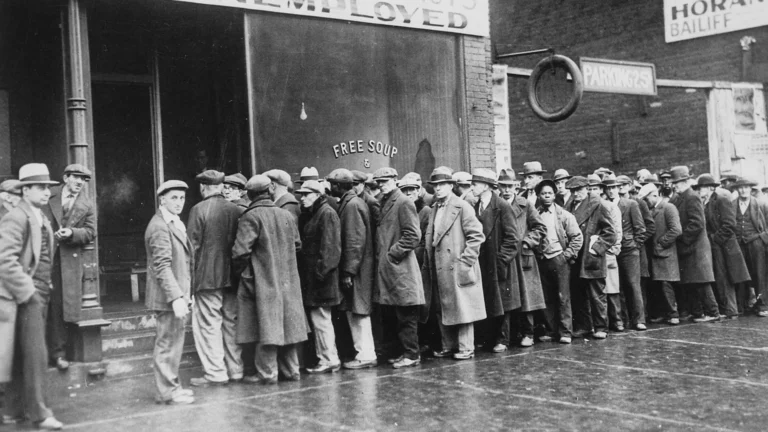
The New Deal: large-scale government spending and public works programs during the Great Depression | Expansionary (fiscal response/fiscal expansion) | United States |
These examples illustrate how governments use fiscal policy tools to respond to different economic challenges, from stimulating growth during downturns to curbing inflation and promoting sustainability. The New Deal, implemented by President Franklin D. Roosevelt during the Great Depression, is a significant example of fiscal response and fiscal expansion in U.S. history.
The United States’ fiscal response to the COVID-19 pandemic included large spending measures and tax cuts to support the economy during the crisis.
Countries tailor fiscal policy measures to their unique economic cycles and long-term goals, adjusting their fiscal response and fiscal expansion strategies as needed.
Government spending is a direct driver of economic growth. Federal spending on goods and services adds directly to economic growth as measured by GDP. When public spending increases, it not only creates jobs (such as in construction or healthcare) but also stimulates demand for goods and services across sectors.
Government spending directly impacts aggregate demand, while tax changes affect it indirectly. During periods of high unemployment, governments often spend money to stimulate job creation and economic recovery. Investments in infrastructure, education, and healthcare have long-term benefits, boosting productivity and economic potential.
The Congressional Budget Office regularly analyzes how government expenditures influence economic activity, helping policymakers understand the trade-offs between short-term stimulus and long-term fiscal sustainability.
Taxation shapes fiscal policy by influencing disposable income and consumption. Tax cuts can increase disposable income, encouraging consumer spending and business investment, which fuels economic growth. Conversely, tax increases reduce disposable income, slowing spending and cooling the economy.
A progressive tax system, where higher earners pay a larger share, can help reduce income inequality and act as an automatic stabilizer during economic downturns by maintaining government revenue and supporting social programs.
Fiscal policy does not operate in isolation. It works alongside monetary policy, which is managed by central banks like the Federal Reserve and involves setting interest rates and controlling the money supply. Together, these policies aim to achieve macroeconomic stability.
For example, during a recession, fiscal stimulus can complement monetary easing by putting money directly into the economy, while the central bank lowers interest rates to encourage borrowing and investment. Coordination between fiscal and monetary authorities is crucial for effective economic management.
Fiscal policy influences the private sector by shaping economic conditions. Increased government spending can create business opportunities and jobs, while tax policies affect consumer and business behavior. Well-designed fiscal measures can incentivize private investment and innovation, fostering a healthy economic environment.
However, excessive government borrowing or poorly targeted spending may crowd out private-sector activity, underscoring the need for balanced, strategic fiscal policy.
To finance spending, governments often borrow, increasing the national debt. While borrowing can be a useful tool for stimulating growth during downturns, it must be managed carefully to avoid unsustainable debt levels that could hamper future economic stability.
Entitlement programs like Social Security and Medicare represent significant long-term fiscal commitments, requiring prudent management to balance current needs with future obligations.
A balanced budget occurs when government revenues match government expenditures, resulting in neither a deficit nor a surplus. In the context of fiscal policy, achieving a balanced budget means that the government is spending only as much as it collects through tax revenue and other sources.
Governments can reach a balanced budget by increasing tax revenue, reducing government spending, or employing a combination of both approaches.
For example, raising taxes or cutting discretionary spending on public programs can help align expenditures with income. However, maintaining a balanced budget is not always the optimal fiscal policy, especially when economic conditions demand a more flexible approach.
During economic downturns, expansionary fiscal policy (such as increased government spending or tax cuts) can be essential for boosting aggregate demand, stimulating private sector spending, and creating jobs.
In these situations, running a budget deficit may be necessary to support economic growth and help the economy recover. Conversely, during periods of rapid economic expansion, contractionary fiscal policy (reducing government spending or increasing taxes) can help control inflation, slow unsustainable growth, and reduce the national debt.
The federal government plays a central role in shaping fiscal policy through decisions on government spending and taxation. Fiscal stimulus, which often involves increased government spending or tax cuts, is a common tool the federal government uses to boost economic activity and support the private sector during recessions.
State and local governments also influence fiscal policy, though their budgets are typically more constrained by balanced budget rules. These governments contribute to economic activity through public spending on infrastructure, education, and local services, and their fiscal decisions affect regional economic conditions.
Central banks, such as the Federal Reserve, complement fiscal policy by managing monetary policy. While fiscal policy focuses on government spending and taxation, central banks control interest rates and the money supply to influence macroeconomic conditions.
Institutions like the Congressional Budget Office (CBO) provide critical analysis of how government expenditures and tax policies affect the economy. Their assessments help policymakers weigh the trade-offs between fiscal stimulus and long-term fiscal health.
Government spending influenced by fiscal policy includes unemployment insurance, entitlement programs, and national defense. These areas are significant components of public expenditure and play vital roles in economic stability and social welfare.
A progressive tax system helps increase tax revenue, reduce income inequality, and provide automatic stabilization during economic fluctuations. This system adjusts tax burdens according to income levels, helping to smooth economic cycles without the need for new legislation.
Fiscal policy can also be used to control inflation by reducing government spending or increasing taxes, thereby decreasing aggregate demand and slowing economic growth. However, fiscal policy is not always the most effective tool for managing inflation; in some cases, monetary policy (managed by central banks like the Federal Reserve, which sets interest rates and regulates the money supply) may be better suited to influence macroeconomic conditions.
Ultimately, a balanced budget is not a one-size-fits-all solution. The government must carefully consider current economic conditions and the potential impact of fiscal policy on economic growth, employment, and stability before deciding on government spending and taxation.
Flexibility and context are key to ensuring that fiscal policy supports both short-term recovery and long-term prosperity.
The output gap (the difference between actual and potential economic output) informs fiscal policy decisions. When the economy is underperforming, expansionary policies can help close the gap by boosting demand. Conversely, when the economy exceeds its potential, contractionary measures can prevent overheating.
Tools like the tax multiplier help policymakers estimate the impact of tax changes on economic output, guiding effective fiscal interventions.
Fiscal policy is a key instrument for smoothing economic cycles. By adjusting spending and taxation in response to economic conditions, governments aim to reduce the severity of recessions and prevent excessive booms.
Expansionary fiscal policy during downturns supports job creation and growth, while contractionary policy during booms helps control inflation and maintain stability.
Ultimately, fiscal policies are designed to promote economic stability and resilience. In times of crisis, such as the pandemic recession, coordinated fiscal responses (including stimulus spending and targeted tax relief) have been vital in supporting households and businesses.
The interplay between federal, state, and local governments, alongside central banks, shapes the overall economic landscape, emphasizing the importance of coherent and adaptive fiscal strategies.
Fiscal policy is a powerful and multifaceted tool that shapes the economic environment in which you live and work. Whether through government spending, taxation, or borrowing, these policies influence growth, employment, inflation, and stability.
Understanding how fiscal policy operates (and how it interacts with monetary policy and the private sector) empowers you to appreciate the complexities behind economic headlines and policy debates.
As you consider the future, reflect on how fiscal decisions today will impact economic conditions tomorrow. Thoughtful, well-balanced fiscal policy is essential not only for managing current challenges but also for laying the foundation for sustainable prosperity.
The primary tools are government spending and taxation. By adjusting these, governments influence aggregate demand to stimulate or slow economic activity.
Fiscal policy involves government decisions on spending and taxes, while monetary policy is managed by central banks focusing on interest rates and money supply.
Expansionary policy increases spending or cuts taxes to boost growth, typically during recessions. Contractionary policy reduces spending or raises taxes to control inflation during economic booms.
Automatic stabilizers, like unemployment benefits and progressive taxes, adjust government spending and revenue naturally with economic fluctuations, helping to stabilize the economy without new legislation.
Yes, fiscal policy influences consumer spending, business investment, and overall economic conditions, which in turn affect private sector growth and job creation.
While borrowing can support economic growth, excessive debt can threaten fiscal sustainability and economic stability, making careful management essential.
The three main fiscal policies are expansionary, contractionary, and neutral fiscal policies. Expansionary policy involves increasing government spending or cutting taxes to stimulate the economy. Contractionary policy entails reducing spending or raising taxes to slow economic growth and control inflation. Neutral fiscal policy aims to maintain a balanced budget without significantly influencing economic activity.
In a level or stable economy, a government might implement a neutral fiscal policy, maintaining balanced government spending and taxation to sustain steady economic growth without overheating or recession. For example, maintaining consistent tax rates and public spending levels that align with economic output.
The different types of fiscal policy include expansionary, contractionary, discretionary, and automatic stabilizers. Expansionary and contractionary policies actively adjust spending and taxes to influence the economy, while automatic stabilizers, like unemployment insurance and progressive taxes, work passively to moderate economic fluctuations without new legislation.
A common example of fiscal policy is a government stimulus package during a recession, which increases government spending and cuts taxes to boost aggregate demand and promote economic recovery.