Newsletter Subscribe
Enter your email address below and subscribe to our newsletter
Enter your email address below and subscribe to our newsletter


 Nonofo Joel Nonofo Joel
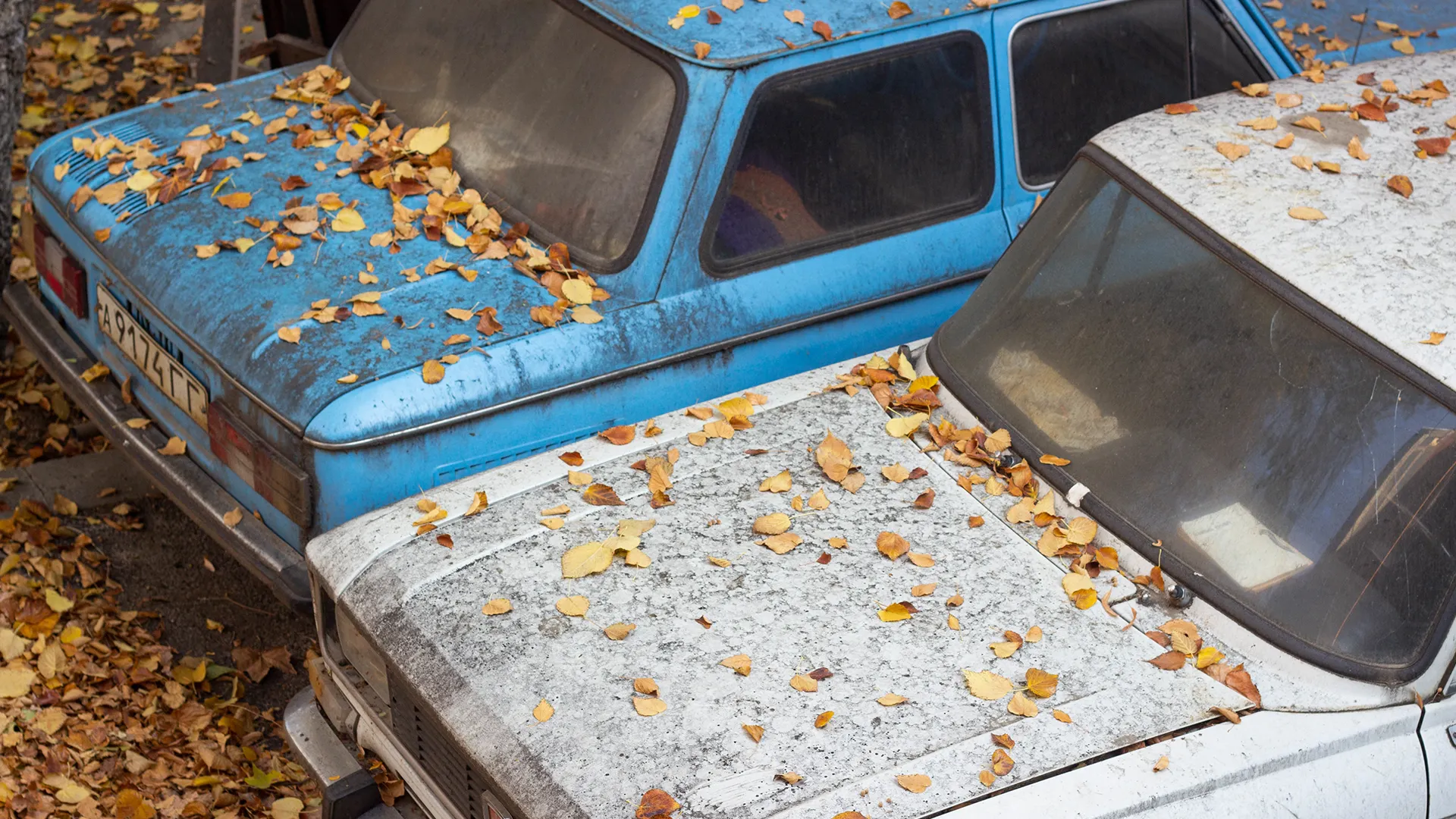
An unused vehicle often sits quietly in a driveway or garage, slowly losing value while taking up space. It may no longer fit your lifestyle, require repairs you don’t want to invest in, or simply be unnecessary now that your circumstances have changed. For many people, the default solution is to sell it or let it sit even longer while they decide what to do.
But an unused vehicle can be more than a burden or an afterthought. Nonetheless, with the right approach, like donation, it can be transformed into something that creates real impact. In fact, instead of focusing only on resale value, there’s an opportunity to redirect that resource toward a cause that supports people, communities, and meaningful change.
Having said that, let’s know in the article how an unused vehicle can become something that truly matters.
Even if a car isn’t reliable enough for daily driving, it often still holds value. Many people underestimate this, assuming that older, damaged, or non-running vehicles are essentially worthless. In reality, vehicles can provide value in multiple ways beyond transportation.
An unused vehicle may still offer:
What matters most isn’t the condition—it’s the purpose the vehicle ultimately serves. Recognizing that value is the first step toward making a more intentional choice instead of letting the car continue to depreciate.
Selling a vehicle is often viewed as a purely practical choice—one that focuses on convenience or quick returns. Donating a vehicle, however, shifts that decision into something more meaningful. Instead of asking, “What can I get for this car?” the question becomes, “What good can this car still do?”
This is why many people start researching how to donate a car once they realize that donation programs are designed to be simple, accessible, and impactful. In most cases, the process includes:
This, as a result, removes the common barriers that cause people to delay taking action. Moreover, reliable organizations like the National Kidney Foundation of Hawaii use donated vehicles as a vital source of funding for kidney health education, patient support, and community outreach programs. When a car is donated through such programs, its value is redirected toward services that help individuals and families navigate long-term health challenges.
This shift—from a transactional mindset to a purpose-driven one—is what transforms an unused vehicle into something that genuinely matters. Instead of depreciating quietly, the vehicle becomes part of a broader effort that creates real, lasting impact.
One reason people delay donating a vehicle is the assumption that the process will be complicated. In reality, reputable donation programs are designed to make participation easy for donors while ensuring maximum benefit for the cause.
As we’ve discussed above, a well-managed donation process typically includes:
Simply put, instead of managing repairs, negotiations, or listings, donors can rely on an organized system that handles these steps efficiently. This simplicity allows people to focus on the impact of their contribution rather than the logistics.
The key is choosing a program that clearly explains how donations are used and how proceeds support its mission—ensuring transparency and trust.
The most meaningful aspect of donating an unused vehicle isn’t what happens to the car—it’s what continues afterward. Donation programs transform vehicles into funding that supports ongoing initiatives, outreach, and services that extend well beyond a single contribution.
Over time, this can mean:
Instead of a one-time sale, a donation creates a ripple effect. Your unused vehicle becomes part of a larger system that helps address ongoing needs and challenges. That sense of continuity is what makes the act of donation feel purposeful rather than transactional.
An unused vehicle doesn’t have to remain a source of clutter or indecision. With a thoughtful approach, it can become a meaningful contribution that supports causes bigger than any single individual. By recognizing its value, choosing a purpose-driven option, and working with a transparent donation program, you turn something unused into something impactful.
The difference lies in intent. When you look beyond convenience and consider how your resources can support meaningful work, even a car you no longer need can help drive positive change—long after it leaves your driveway.