Newsletter Subscribe
Enter your email address below and subscribe to our newsletter
Enter your email address below and subscribe to our newsletter


 Nonofo Joel Nonofo Joel
Products may look perfect when they leave a facility, but the journey that follows can quickly change that. Drops, pressure, and rough handling can turn minor weaknesses into costly damage. Even small issues can lead to returns, delays, and lost trust. This is why businesses are paying closer attention to how items are protected during daily operations. Reliable protection is no longer optional when volumes and expectations keep rising.
Industry data supports this shift. Research highlighted by Packaging Digest shows that automated systems can increase production throughput by 50–75%, while also reducing errors and rework in operational environments.
These gains explain why more teams are turning to automated cushioning solutions. This article explores four practical advantages that help improve control, consistency, and efficiency across daily workflows.
This type of system is designed to create protective, air-filled layers that cushion products during handling. It forms bubbles by sealing air between layers of plastic material. The process runs continuously, allowing protective film to be produced as needed. Instead of relying on pre-made rolls, operations can generate protection on demand. This approach improves control and reduces reliance on external supply delays.
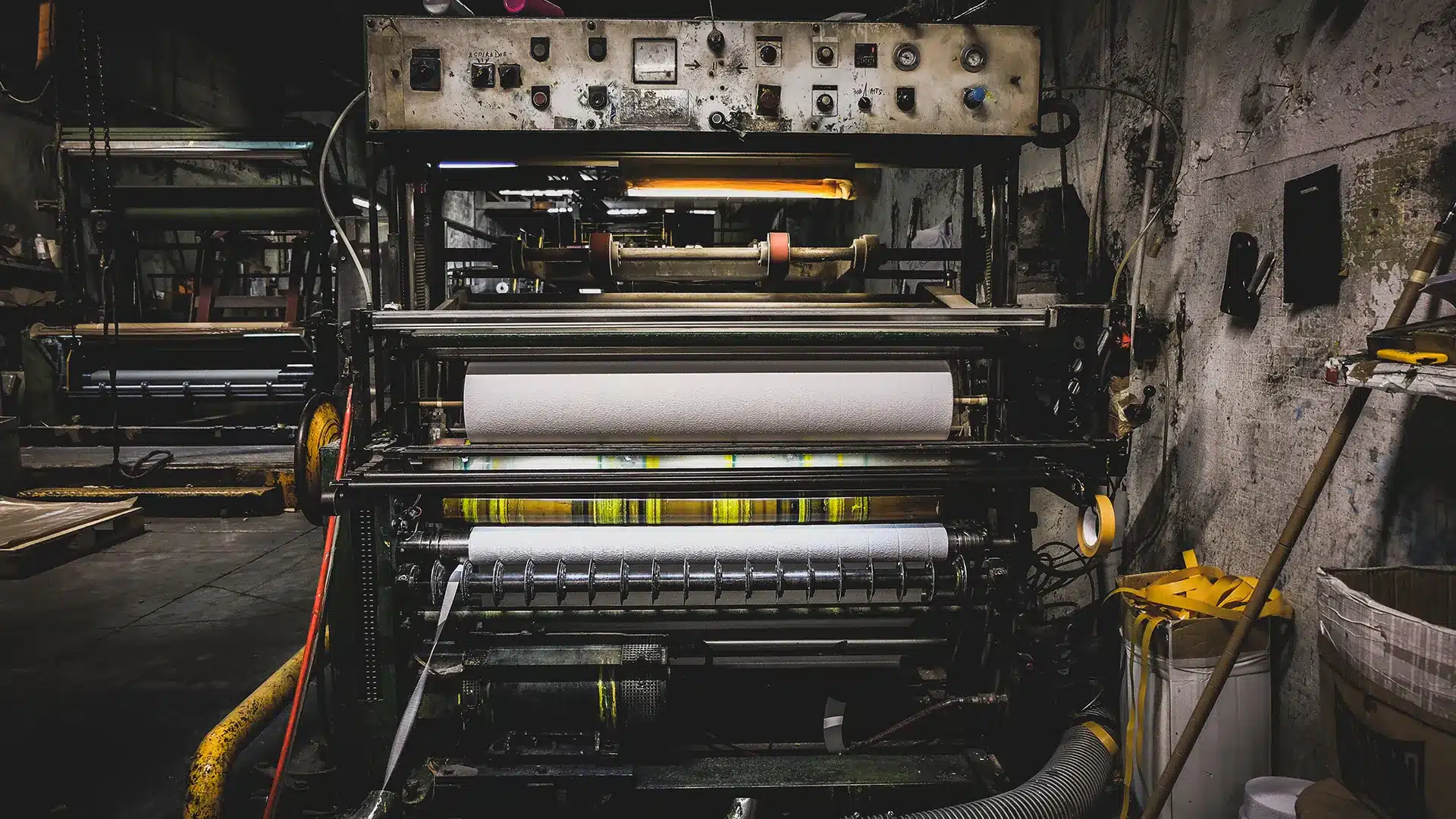
The system feeds raw material through the heating, forming, and sealing stages in a smooth, sequential process. Once produced, the film moves directly into wrapping or cushioning tasks. This setup works well for facilities handling products of different sizes. It also helps maintain consistent protection quality throughout the day. By producing materials in-house, operations gain better control over speed, quality, and usage.
Modern operations need systems that support speed, consistency, and control without adding complexity. This is where automated cushioning solutions begin to show clear operational value across daily workflows.
Speed and consistency are critical when products move through busy operations each day. Manual padding methods depend heavily on individual handling, which can slow output and create uneven protection. Automated systems solve this issue by delivering uniform cushioning every time. Each unit receives the same level of coverage, regardless of volume or shift changes. This consistency reduces delays, limits rework, and helps maintain steady operational flow across lines.
Many businesses improve this process by adopting modern equipment solutions. For example, manufacturers working with Ruian Hualiang Machinery Co.,Ltd highlight how a bubble film machine enables faster protection without sacrificing quality. The system produces film on demand and applies it evenly, helping reduce excess material use and improving control over protection thickness across different product types. Over time, this level of control supports more predictable results and better handling outcomes across operations.
Material waste often increases when protection methods lack precision. Manual cutting and wrapping can lead to excess overlap and inconsistent usage. Automated systems apply film in measured amounts, helping teams avoid unnecessary waste. This control supports better planning and more accurate cost tracking. Over time, reduced waste translates into noticeable savings.
Key benefits that support cost control include:
It allows operations to align material usage with real needs. This approach supports both financial planning and sustainability goals. Businesses gain confidence in their material consumption patterns.
Product damage often occurs when protection is uneven or insufficient. Inconsistent wrapping creates weak points that fail during handling or transport. Automated systems apply even coverage that improves overall load stability. This reduces movement and friction between items. Better stability at work leads to fewer damaged goods and fewer customer complaints.
This machine plays a key role in maintaining protection strength across different product types. Uniform bubble structure helps absorb impact during movement. This consistency is especially important for fragile or high-value items. Over time, improved stability lowers return rates and strengthens customer trust in delivery quality.
Manual protection tasks can place strain on workers over long shifts. Repetitive movements increase the risk of fatigue and injury. Automation reduces the need for heavy lifting and repetitive handling. This creates a safer and more comfortable working environment.
Safety improvements often include:
This machine shifts physical effort away from workers. This supports long-term workforce health and improves morale. Safer environments also reduce downtime caused by injuries.
Bubble film solutions offer clear operational value for growing businesses. They improve consistency, reduce waste, and support safer workplaces. By integrating automation into daily workflows, operations gain better control and reliability. Over time, these advantages strengthen efficiency and help businesses meet rising demands with confidence.