Newsletter Subscribe
Enter your email address below and subscribe to our newsletter
Enter your email address below and subscribe to our newsletter


 Nonofo Joel Nonofo Joel
Across hospitals and surgical centers, a remarkable transformation is taking place. Medical innovations are changing how we treat children born with facial differences, restoring more than just physical appearance. These breakthroughs help rebuild function, confidence, and hope. From cleft lip repairs to complex craniofacial surgeries, children once limited by medical challenges are being given a true second chance.
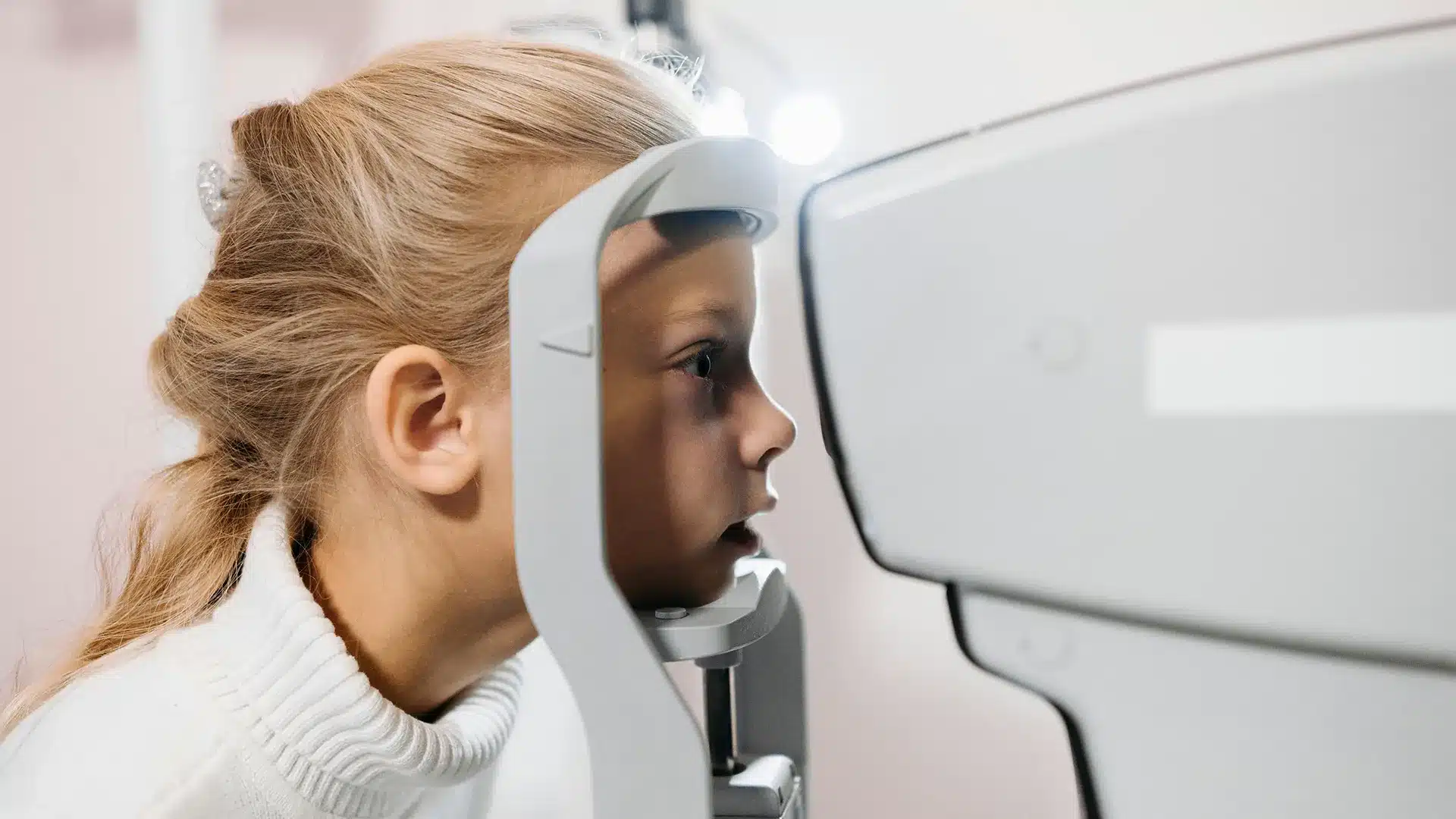
Facial anomalies like cleft lip, cleft palate, craniosynostosis, and congenital ear or jaw differences can have a significant impact on a child’s health and development. Beyond visible differences, these conditions can affect feeding, breathing, hearing, speech, and self-esteem. If left untreated, the complications may follow children throughout their lives.
Among congenital ear anomalies, microtia is characterised by underdevelopment or absence of the external ear, often accompanied by atresia, the absence or closure of the ear canal. These conditions can severely impair hearing and impact language development if not addressed early. Multidisciplinary treatment plans that include audiological evaluation and surgical reconstruction offer affected children a better chance at developing clear speech and self-confidence. For children with combined microtia and aural atresia, integrated care pathways play a vital role in restoring both function and form during early developmental years.
But the story does not end there. With the right care, delivered at the right time, the outlook changes entirely. Thanks to earlier diagnoses, improved access to care, and new technologies, we are able to support children through life-changing medical interventions.
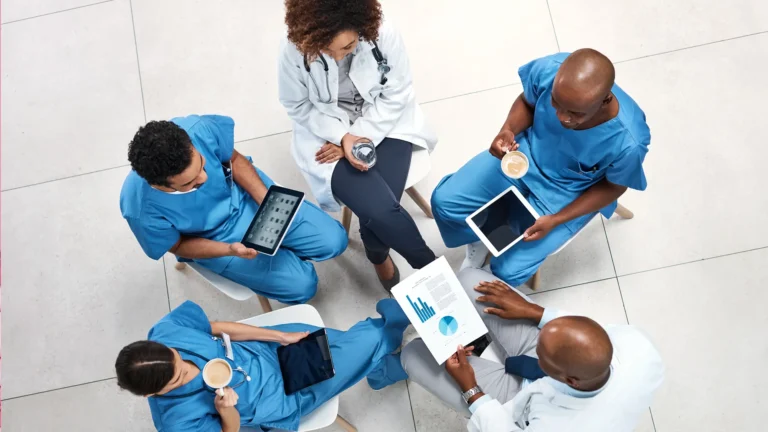
Today, we no longer rely on a single physician’s effort. Instead, children are cared for by multidisciplinary teams—plastic surgeons, neurosurgeons, ENT specialists, speech therapists, orthodontists, geneticists, and social workers—all working together. These teams plan treatment holistically, addressing both immediate medical needs and long-term development.
Take craniosynostosis, for example. When a baby’s skull bones fuse too early, it can put dangerous pressure on the brain. In modern care settings, surgeons use 3D imaging to plan and rehearse surgery in advance. They remove and reshape parts of the skull and reposition them to allow the brain to grow safely. This kind of precision and teamwork drastically reduces the risk of developmental complications.
One of the most meaningful changes we have seen is how early diagnosis is improving outcomes. With advances in prenatal imaging and immediate postnatal screening, many facial differences can now be identified early in life.
Families are no longer left to navigate this journey alone. From the moment of diagnosis, care teams step in to guide parents through each stage. Support often begins with feeding therapy for cleft palate, continues with hearing assessments and speech interventions, and may extend to psychosocial support and educational planning.
This proactive care model not only shortens the path to recovery but also ensures children have the tools they need to thrive—physically, emotionally, and socially.
The tools we use today are miles ahead of where we were even a decade ago. Some of the most promising advancements include:
These tools are not just technical enhancements. They are compassionate solutions that minimize trauma and support a child’s development through every phase of growth.
When we look at these innovations, we cannot forget the children and families at the heart of them. A young girl with a cleft palate who could not eat or speak clearly is now thriving in her classroom, speaking with confidence and laughing with friends. Her journey—from surgery through speech therapy and beyond—represents what is possible when we combine skill with compassion.
In another case, a toddler facing craniosynostosis underwent surgery before his first birthday. His parents were scared at first, but through steady support from the surgical team and hospital staff, they found clarity and hope. Today, he is developing on track, full of energy, and showing the world what resilience looks like.
Too often, families delay seeking help because they don’t recognize the signs or fear the financial burden. That is why awareness matters. Public education campaigns and partnerships with non-profit organizations are helping break down barriers to care.
Programs like Smile Week, supported by generous medical volunteers, provide free surgeries to children in underserved communities. These initiatives not only deliver expert care but also offer training for local medical staff, ensuring the benefits are long-lasting and sustainable.
Parents are encouraged to pay close attention to their children’s development. If something seems unusual—a misshaped head, difficulty feeding, or delayed speech—early consultation with a healthcare provider can make a world of difference.
These advances are not happening in isolation. They are made possible by dedicated surgeons, generous non-profit organizations, public hospitals, and community health workers. The partnerships that fuel this work are grounded in shared purpose: to give every child the opportunity to grow, learn, and smile without limitation.
By offering more than just surgery, we are creating a framework for lifelong success. Every child deserves a face they feel proud of, a voice they can use freely, and the opportunity to be seen for who they are.
As research continues and surgical tools evolve, the possibilities only grow. We are beginning to explore artificial intelligence in surgical planning, regenerative therapies for tissue reconstruction, and even gene-based diagnostics that can guide early intervention more precisely.
But what truly drives change is not just innovation—it is empathy. The commitment of every caregiver, every parent, and every community to show up for these children is what allows science to do its best work.
Medical innovation has opened doors that once seemed locked. Children born with facial differences are no longer defined by their diagnosis. They are defined by their strength, their stories, and their futures.
Together, we are building a world where every child, no matter their condition at birth, has the chance to live fully, confidently, and without shame. And we will keep going—because every child deserves that chance.