Newsletter Subscribe
Enter your email address below and subscribe to our newsletter
Enter your email address below and subscribe to our newsletter


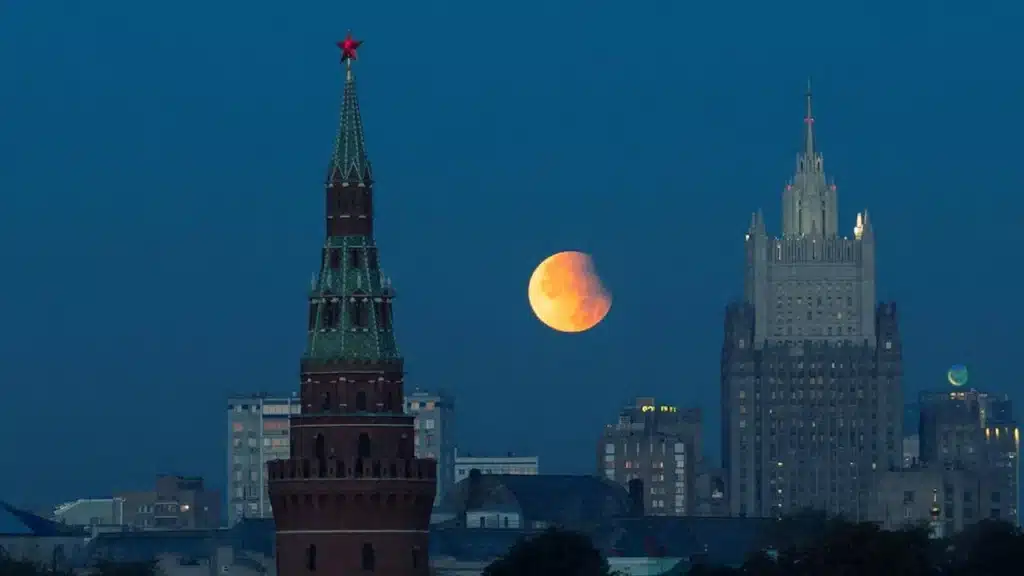
Russia’s plan to construct a nuclear power plant on the Moon by 2036 signals a new phase of geopolitical competition in space.
 Tumisang Bogwasi Tumisang Bogwasi
Russia has signed a contract to develop a lunar power plant by 2036, marking one of the most ambitious and controversial steps yet in the accelerating race to establish permanent infrastructure beyond Earth.
According to Reuters, the project envisions a nuclear-powered energy system on the Moon, designed to support long-duration missions, robotic operations, and potential future human presence.
The announcement highlights how space exploration is shifting from symbolic missions to industrial-scale planning, with energy infrastructure emerging as a central pillar of lunar strategy.
Sustained operations on the Moon require reliable, continuous energy.
Solar power faces limitations:
Nuclear power offers:
For any nation seeking a long-term lunar presence, power generation is non-negotiable.
Russia’s space ambitions have evolved under economic constraints and geopolitical isolation.
The lunar power project aligns with:
The initiative suggests a strategic pivot toward infrastructure-first space development rather than headline-grabbing missions.
Russia has decades of experience with compact nuclear reactors, including space-based power systems used during the Soviet era.
Key considerations include:
These technical challenges are formidable, but not unprecedented.
The Moon is increasingly viewed as a geopolitical domain.
The U.S. and its allies, through the Artemis program, are pursuing lunar bases and resource utilization, while China and Russia have outlined joint lunar research initiatives.

Energy infrastructure could:
Although largely state-driven, lunar infrastructure projects stimulate:
Long-term, these capabilities could spill over into terrestrial industries, though direct commercial returns remain uncertain.
The project faces significant hurdles:
2036 remains a distant target, and delays are likely.
Lunar nuclear installations raise questions under:
Global governance frameworks have yet to fully catch up with such ambitions.
Russia’s lunar power plant plan underscores a broader shift in space activity, from exploration to infrastructure and permanence.
Whether the project reaches completion or not, it reflects how major powers increasingly see the Moon not as a destination, but as the next strategic frontier.