Newsletter Subscribe
Enter your email address below and subscribe to our newsletter
Enter your email address below and subscribe to our newsletter


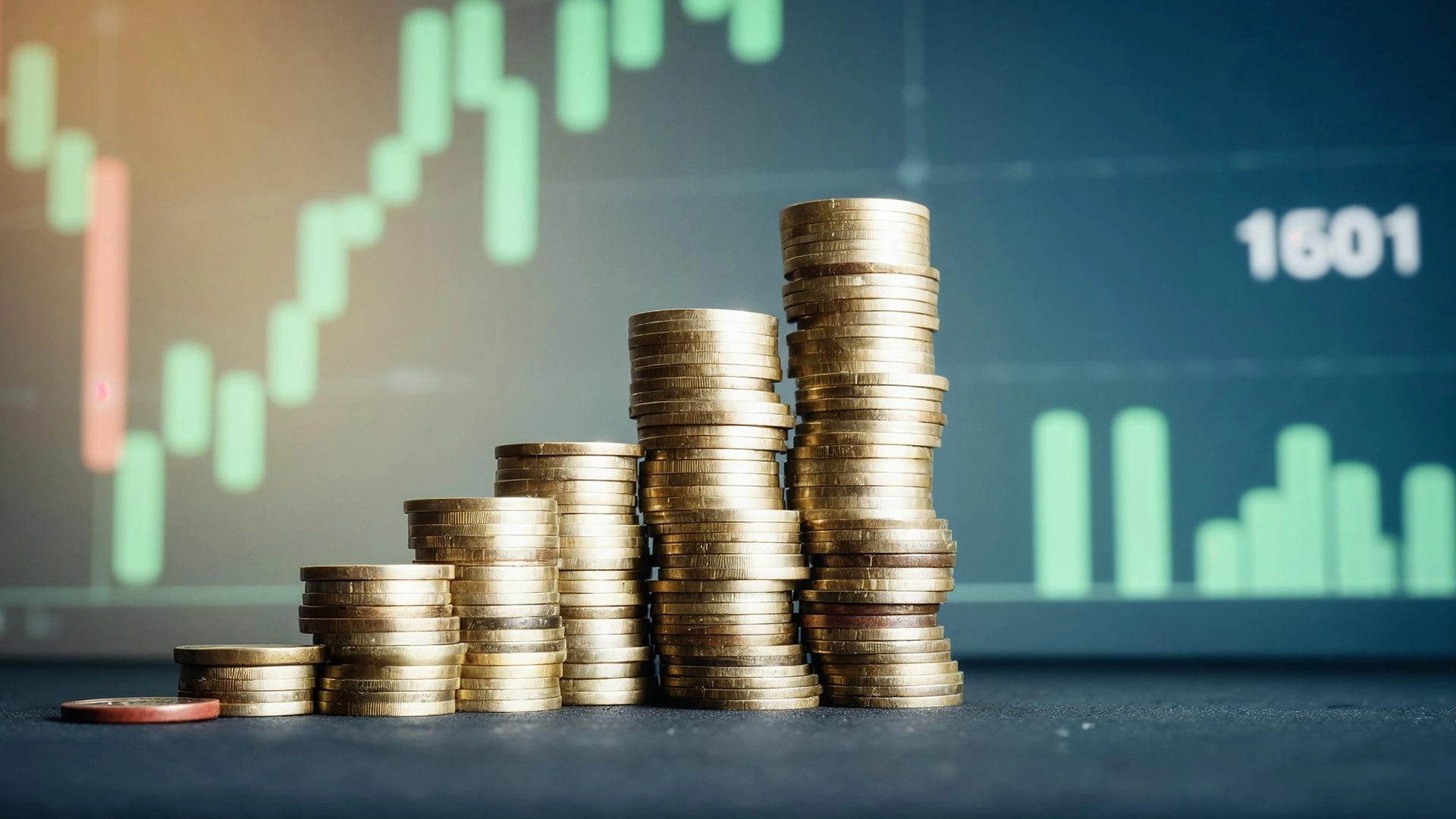
This guide explains real inflation, its measurement, causes, and effects on your finances, helping you navigate the economic landscape with confidence.
 Tumisang Bogwasi Tumisang Bogwasi
| Getting your Trinity Audio player ready... |
In August 2025, the U.S. inflation rate stood at 2.9%, according to the Bureau of Labor Statistics (BLS). This seemingly modest figure masks a complex economic reality that directly impacts your purchasing power, investment decisions, and overall financial health.
This guide is for consumers, investors, and anyone seeking to understand how inflation affects their finances. Understanding real inflation is crucial for making informed decisions about spending, saving, and investing.
What does “real inflation” truly mean in this context? How should you interpret these numbers amid fluctuating prices, wages, and economic policies? And ultimately, how can you navigate the evolving inflation landscape to protect and grow your wealth?
What does inflation mean for your daily life and long-term planning? How do the headline inflation rates relate to the costs you face for essentials like food, fuel, and medical care? What role do inflation expectations play in shaping the economy you live in?
This article aims to ground the discussion in data and practical insights to empower your financial decisions.
Definition of Real Inflation
Real inflation is the rate at which prices increase after adjusting for changes in purchasing power, reflecting the genuine rise in the cost of goods and services over time.
Real inflation accounts for the erosion of your money’s value by measuring how much more expensive things have become after factoring in the effects of inflation on your income and savings. Understanding real inflation helps you see beyond nominal price changes to the actual impact on your standard of living.
Nominal inflation is the raw percentage increase in prices reported by indexes such as the Consumer Price Index (CPI), without adjusting for changes in purchasing power. It reflects the straightforward rise in price levels over a period.
Real inflation, on the other hand, adjusts nominal inflation by considering factors such as wage growth, changes in purchasing power, and core inflation rates. It represents the actual impact of inflation on what consumers can buy, providing a clearer picture of how inflation affects living standards and economic well-being.
The real interest rate is calculated as the nominal rate minus the inflation rate, illustrating how inflation erodes the true yield on loans and savings and highlighting its impact on borrowing and saving decisions.
For example, if the CPI shows a 3% price rise but your income only rose by 1%, your real inflation rate is effectively 2%, indicating a reduction in your purchasing power.
Most economists use the Consumer Price Index (CPI) or the Personal Consumption Expenditures (PCE) price index to quantify real inflation. Actual inflation is measured by official indexes like the CPI, while perceived inflation reflects personal feelings about prices. This distinction is crucial for making informed decisions about spending, saving, and investing.
Inflation has long been a persistent economic issue, often sparked by currency debasement to fund wars or public projects, leading to rising prices. The modern understanding began in the 16th century with paper money and the recognition that expanding the money supply drives price rises, a key idea in the quantity theory of money.
To measure inflation, economists created the Consumer Price Index (CPI), tracking average price changes for a basket of goods and services consumed by urban households. Core inflation focuses on the underlying and persistent trends in inflation by excluding prices set by the government and the more volatile prices of products, such as food and energy. Core inflation metrics exclude volatile categories like food and energy to better reflect underlying trends.
Inflation rates have fluctuated due to demand shocks (e.g., surges in consumer spending) and supply shocks (e.g., oil crises, natural disasters). For example, the U.S. experienced double-digit inflation in the 1970s from energy spikes, while later decades saw more stability due to effective policies managing inflation expectations.
Understanding this history helps policymakers, businesses, and consumers interpret inflation data and anticipate how demand, supply, and expectations affect the economy.
Government agencies, primarily the Bureau of Labor Statistics, calculate inflation using several key tools and metrics:
Agencies such as the Bureau of Labor Statistics and the Bureau of Economic Analysis use these tools to measure inflation trends and understand price changes. Their data informs policymakers, businesses, and consumers about the current inflation environment and helps guide economic decisions.
Inflation manifests in several forms, each with distinct drivers:
Deflation is the opposite of inflation, characterized by a negative inflation rate or a drop in prices of goods and services. Deflation can lead to reduced consumer spending, lower income, and challenges for economic growth, as people may delay purchases in anticipation of further price declines. This can create a downward economic spiral and is a significant concern for monetary policy.
Exchange rate depreciation can also result in higher domestic prices by making imported goods and raw materials more expensive, contributing to inflationary pressures.
Understanding these types helps you anticipate potential inflationary pressures and their implications for your financial planning.
Inflation directly reduces your purchasing power, the amount of goods and services your money can buy. When prices rise faster than your income, your real income declines, affecting your lifestyle and savings.
High inflation can also dampen economic growth by increasing uncertainty, discouraging investment, and complicating long-term contracts. Conversely, moderate and stable inflation can encourage spending and investment, fueling economic activity.
Central banks, such as the Federal Reserve, play a crucial role in controlling inflation through monetary policy. As the central bank of the United States, the Federal Reserve manages the money supply. It influences aggregate demand by adjusting interest rates and setting inflation targets to maintain economic stability. The Federal Open Market Committee, which sets U.S. monetary policy, targets a 2% inflation rate over time. Raising interest rates can cool demand and slow inflation, while lowering rates can stimulate growth.
Fiscal policy also influences inflation through government spending and taxation, affecting aggregate demand. Supply-side policies aimed at boosting productivity can mitigate inflationary pressures over the long term.
Inflation is shaped not only by domestic factors but also by global economic trends that influence prices, demand, and supply chains across many countries. As economies become more interconnected, shifts in global commodity demand, disruptions to supply chains, and changes in energy prices can all contribute to fluctuations in the inflation rate.
For instance, when global demand for raw materials or finished goods rises, it can lead to higher prices worldwide, fueling inflation in both developed and emerging markets.
Central banks, such as the Federal Reserve, play a critical role in managing inflation through monetary policy. By adjusting interest rates, they aim to balance economic growth with price stability. The relationship between nominal interest rates and the inflation rate is key: subtracting the inflation rate from the nominal rate yields the real interest rate, a crucial indicator of the true cost of borrowing and the health of the economy.
Inflation expectations also influence economic behavior—when businesses and consumers anticipate higher prices, they may adjust spending, investment, and wage demands accordingly, which can in turn drive further price increases.
Government spending and fiscal policy are additional levers that can impact inflation. Increased government spending can boost demand, potentially leading to higher prices if supply cannot keep pace.
The GDP deflator, which measures price changes across the entire economy, provides the broadest measure of inflation and is closely watched by policymakers.
Globally, many countries strive to maintain a stable inflation rate (often targeting around 2%) to support sustainable economic growth and protect purchasing power. By monitoring key indicators like the CPI, core inflation, and the GDP deflator, and by understanding the interplay between global trends, monetary policy, and government actions, business leaders and investors can better anticipate inflation’s impact on their strategies and long-term planning.
Inflation expectations shape wage negotiations, price setting, and investment decisions. Policymakers monitor these expectations closely, as they can become self-fulfilling if unchecked.
While current inflation rates are moderate, supply chain disruptions, geopolitical events, and economic policies continue to influence inflation dynamics. Staying informed and adaptable is key to managing your financial future in this environment.
Understanding real inflation goes beyond tracking headline numbers, it’s about grasping how price changes affect your purchasing power, economic activity, and financial goals. By recognizing the types and drivers of inflation, leveraging appropriate investment strategies, and staying attuned to policy shifts, you can position yourself to navigate inflation’s challenges and opportunities with confidence.
As inflation continues to evolve over long periods, influenced by factors such as supply shocks, demand changes, and monetary policy decisions by central banks, maintaining awareness and flexibility is key. Embracing real assets, diversifying investments, and regularly reviewing your financial plan can help protect your wealth against the eroding effects of inflation.
Ultimately, a clear understanding of real inflation empowers you to make informed decisions that support your financial stability and growth in an ever-changing economic landscape.
Due to cumulative inflation over the past three decades, $100 in 1990 is roughly equivalent to about $220 in 2025, meaning prices have more than doubled, and the purchasing power of that $100 has significantly declined.
Inflation is the sustained increase in the general price level of goods and services in an economy over time, leading to a decrease in the purchasing power of money.
During Donald Trump’s presidency (2017-2021), the average annual inflation rate in the U.S. was approximately 2%, which was relatively stable and close to the Federal Reserve’s target. However, specific rates varied year to year based on economic conditions.