Newsletter Subscribe
Enter your email address below and subscribe to our newsletter
Enter your email address below and subscribe to our newsletter


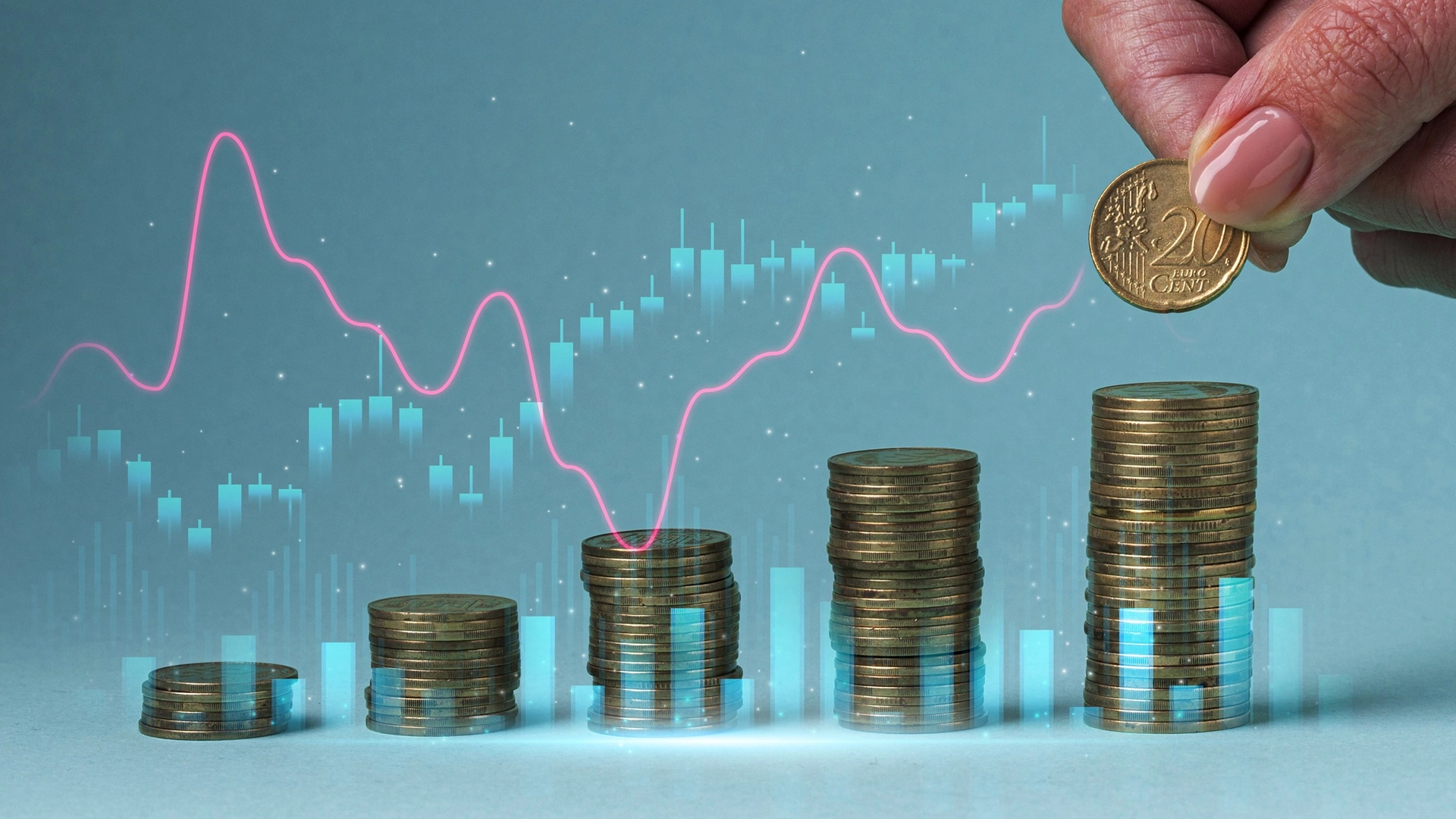
This article breaks down how inflation works, what drives it, how it’s measured, and why understanding it is essential for smart financial and economic decision-making.
 Tumisang Bogwasi Tumisang Bogwasi
| Getting your Trinity Audio player ready... |
Inflation has become a headline topic once again, with recent data showing that the annual inflation rate in the United States rose to 4.5% in the past year, marking a significant impact on household budgets and economic planning.
But what does this mean for you? How does inflation influence your purchasing power, your investments, and the broader economy? And crucially, what can be done to manage its effects? These questions are essential as you navigate financial decisions in a world where prices rise steadily and unpredictably.
Inflation is a complex but essential economic concept that affects nearly every aspect of daily life, from the price you pay at the grocery store to the interest rates on your loans. Understanding how inflation works is crucial for making informed financial decisions, anticipating changes in the economy, and preparing for the future.
This article will guide you through the fundamentals of inflation, its causes, measurement methods, and the ways it impacts both individuals and the broader economy.
Definition of Inflation
Inflation means a broad rise in the prices of goods and services, which reduces the purchasing power of your money over time.
Inflation is the rate at which the general price level of goods and services increases across the economy over a period, typically measured annually.
Put simply, inflation reflects how much more expensive it becomes to buy everyday items and services compared to the past. This phenomenon affects everything from grocery bills to mortgage payments, shaping economic behavior and policy decisions alike.
It is not just about a single product becoming more expensive but a widespread increase reflected in a broad price index like the Consumer Price Index (CPI) or the Producer Price Index (PPI). These indexes track changes in the prices of a basket of goods and services, weighted by their relative importance in a typical household budget or production costs.
Understanding inflation means recognizing that when prices rise, your money buys less than before, a decline in purchasing power. This erosion affects consumers, businesses, and governments, influencing wage negotiations, interest rates, and monetary policy.
Inflation has been a constant in economic history, shaping societies and economies through various episodes, including severe cases of hyperinflation.
A notorious example is the Weimar Republic of Germany in the early 1920s. Post-World War I reparations led to excessive money printing, causing the German mark to lose value rapidly and prices to skyrocket. People rushed to spend money before it depreciated further, severely disrupting the economy.
Zimbabwe faced a similar fate around 2008, with hyperinflation peaking at an estimated 500 billion percent annually, forcing the abandonment of its currency.
Venezuela experienced the highest hyperinflation in the world, with an annual inflation rate reaching approximately 833,997% as of October 2018. This unprecedented inflation rate was a result of severe economic mismanagement, political instability, and a collapse in oil revenues, which devastated the country’s economy and drastically reduced the purchasing power of its currency.
The United States saw the Great Inflation from the mid-1960s to early 1980s, with inflation peaking at 14.8% in 1980, driven by expansive monetary policies and oil shocks. More recently, in June 2022, U.S. inflation hit 9.1%, the highest since 1982, drawing parallels to that earlier period.
Going back further, the 16th-century Price Revolution in Europe was fueled by a massive influx of gold and silver from the New World, expanding the money supply and driving prices up over decades.
These historical episodes highlight the critical role of prudent monetary policy in controlling inflation and the severe economic and social consequences when inflation spirals out of control.
Inflation occurs primarily when the money supply in an economy grows faster than the production capacity of goods and services. More money chasing the same amount of products leads to higher prices. But inflation is also influenced by other factors:
These forces interact with inflation expectations, monetary policy decisions by the Federal Reserve Bank, and external shocks like natural disasters or geopolitical events, shaping the overall inflation rate.
You might wonder: how do economists quantify inflation? The answer lies in price indexes:
Inflation rates are typically calculated by comparing the current value of a price index to its value in a previous period, providing a clear picture of how prices rise over time.
These inflation measures help policymakers and businesses make informed decisions, balancing the need for price stability with economic growth.
Inflation affects you in multiple ways:
Understanding these effects helps you anticipate changes in wages, prices, interest rates, and the broader economic environment, enabling more strategic financial decisions.
Controlling inflation requires a coordinated approach:
A key monetarist concept underlying inflation control is the relationship between inflation and the money supply, which suggests that inflation is primarily caused by too much money chasing too few goods. Achieving price stability (a low and stable inflation rate) is critical for sustainable economic growth and financial market confidence.
Your expectations about future inflation influence current economic behavior. If you anticipate higher inflation, you might spend more now, demand higher wages, or adjust investment strategies, which can itself drive inflation higher. Central bankers closely monitor these expectations to guide policy and maintain credibility.
You can take steps to shield your finances:
Inflation refers to the broad rise in prices that affects the purchasing power of money over time. Understanding how inflation works (including the roles of demand-pull and cost-push inflation, inflation expectations, and the influence of monetary authorities such as the central bank) equips you to better anticipate its effects on your finances and the economy.
By familiarizing yourself with key inflation measures like the Consumer Price Index and the Producer Price Index, and recognizing the impact of supply shocks, demand shocks, and wage growth on price increases, you can make more informed decisions.
Inflation affects many aspects of daily life, from interest rates and nominal interest rates on loans to the prices of goods and services across value chains. While moderate inflation can encourage economic growth, unpredictable or high inflation poses challenges that require proactive financial strategies.
To protect your financial well-being, consider diversifying your investments with inflation-hedged assets such as commodities, real estate, and Treasury Inflation-Protected Securities (TIPS). Stay informed about economic analysis and labor statistics that influence inflation trends, and monitor how monetary policy actions by central banks aim to maintain price stability and maximum employment.
Ultimately, navigating inflation successfully means staying proactive, adjusting your consumption patterns, understanding the relative weight of different goods and services in your budget, and engaging with policy developments. This comprehensive approach helps you not only weather inflationary periods but also seize opportunities they may present.
Inflation rises primarily due to an increase in the money supply outpacing economic growth, demand-pull factors where demand exceeds supply, cost-push factors like rising production costs, and built-in inflation driven by wage-price spirals.
As inflation causes prices to rise, each unit of currency buys fewer goods and services, effectively reducing your purchasing power and increasing the cost of living.
The Consumer Price Index (CPI) measures price changes from the consumer’s perspective, tracking goods and services purchased by households. The Producer Price Index (PPI) measures price changes from the producer’s side, reflecting costs of goods at earlier production stages.
Moderate inflation is generally positive as it encourages spending and investment, preventing deflation and supporting economic growth. However, high or unpredictable inflation can harm economic stability.
The Federal Reserve controls inflation primarily through monetary policy tools such as adjusting interest rates and regulating the money supply to maintain price stability and maximum employment.