Newsletter Subscribe
Enter your email address below and subscribe to our newsletter
Enter your email address below and subscribe to our newsletter


This article highlights the most influential annual economic gatherings worldwide, explaining why they matter and who should attend.
 Tumisang Bogwasi Tumisang Bogwasi
| Getting your Trinity Audio player ready... |
Economic conferences are dynamic gatherings that significantly shape the trajectory of economic thought and practice. As someone deeply engaged in the field of economics, you might wonder: What makes certain conferences pivotal hubs for innovation and professional growth? And importantly, how can you strategically leverage these events to enhance your research, network, and impact?
These conferences are far more than scheduled meetings; they are vibrant ecosystems where ideas are exchanged, challenged, and refined. They offer a unique vantage point to observe emerging trends, engage with leading experts, and contribute to shaping the future of economics.
Providing unparalleled opportunities for research presentation, collaboration, and professional development within the global economics community, understanding the role and value of these conferences can transform how you approach your work and career growth.
Definition of Economic Conference
An economic conference is a gathering of economists and professionals to discuss, share, and collaborate on economic research and issues.
Top annual economic conferences represent the pinnacle of professional gatherings in economics. They are carefully organized by reputable institutions and associations, often hosted in key global regions such as Europe, Asia, Africa and the USA, and scheduled throughout the year to maximize accessibility and participation.
Some conferences, like the European Summer Symposium in Labour Economics (ESSLE), specifically focus on bringing together researchers from a particular region to foster collaboration and discussion. The place where each conference is held plays a crucial role, as the venue or geographic setting often enhances the event’s prestige and provides unique opportunities for networking and collaboration.
These conferences typically feature keynote speeches by renowned economists, thematic workshops focusing on specialized areas like macroeconomics, finance, and international trade, and sessions dedicated to presenting both theoretical and empirical research. Their programs are designed to foster education, innovation, and rigorous discussion, enabling you to contribute meaningfully to the field.
Key annual economic conferences include the IMF-World Bank Annual Meetings, the AEA Annual Meeting, and the World Bank’s ABCDE. The IMF-World Bank Annual Meetings focus on global finance, debt, development, trade, monetary policy, and geopolitical risks, making them a cornerstone for addressing critical global economic challenges.
These conferences serve as critical platforms where you can immerse yourself in the latest economic research and discussions, exchange ideas with peers from diverse regions, and stay informed about innovations that influence economic policy and practice worldwide. Their recurring nature ensures ongoing dialogue and sustained professional engagement.
Attending these conferences offers you multiple benefits:
Here is a detailed list of the most important annual economic conferences that you should consider attending to stay at the forefront of economic research and policy discussions:

Established in the mid-20th century, these meetings have grown into a cornerstone of global economic governance. Bringing together finance ministers, central bank governors, and economic leaders from 191 member countries, they address pressing issues such as global finance, development, debt, trade, and monetary policy.
Their critical role in coordinating responses to worldwide economic challenges earns them a top spot on this list, making them indispensable for anyone involved in international economics and policy.

Also known as the ASSA Annual Meeting, this event has been held annually since 1885 and is recognized as the largest gathering of academic economists worldwide. Organized in conjunction with 66 other associations, it features rigorous research presentations, keynote speeches, and workshops spanning all fields of economics. The AEA Annual Meeting is a key event for fostering collaboration and advancing economic research.
Its long history, breadth of coverage, and influential role in shaping economic research and policy discussions make it a premier event for professionals and researchers alike.

Since its inception in 1988, the ABCDE has focused on addressing critical development challenges by presenting cutting-edge empirical and theoretical research. The World Bank Annual Conference on Development Economics (ABCDE) is particularly notable for its role in tackling pressing development issues and influencing global policy.

Founded in the early 2000s, ESSLE brings together labour economists from Europe and beyond in a collaborative and relaxed setting. It focuses on the latest research in labour markets, employment, and related policy issues.
Its reputation for fostering innovative discussions and networking among labour economists secures its importance in the annual conference circuit.

ESSIM, established in the 1990s, is an intensive four-day event that gathers leading macroeconomists from Europe and the USA. The European Summer Symposium in International Macroeconomics (ESSIM) is held annually and provides a platform for presenting and discussing cutting-edge research in international macroeconomics.
Its rigorous program and international scope make it a vital event for those specializing in macroeconomic theory and policy.

This symposium, founded in the late 1990s, centers on current research in financial markets. It offers presentations and discussions that deepen understanding of financial economics, attracting top researchers and practitioners. Its focus on advancing financial market knowledge earns it a respected place on the list.

Since 1988, ERWIT has served as a premier forum for international trade research, assembling established and emerging scholars to share the latest theoretical and empirical work. Its longevity and specialized focus on trade economics make it a key event for researchers in this field.

CURE alternates locations between the USA and Europe and brings together urban and regional economists to discuss economic issues related to cities and regions. The Annual Conference on Urban and Regional Economics (CURE) is held in different locations each year, fostering diverse perspectives and collaboration.

This conference emphasizes analytical and empirical research on competition, innovation, investment, and regulation policy. Since its founding, it has promoted the exchange of cutting-edge results among researchers and policymakers, making it an essential event for those interested in industrial organization economics.

A specialized event focusing on research related to development economics, this symposium addresses challenges faced by developing countries. Its targeted approach and contribution to development policy research have made it a respected gathering for experts in this area.

This symposium explores historical economic research and its implications for contemporary economic understanding and policy. It has earned recognition for connecting past economic insights with modern-day challenges, enriching the broader economics discourse.

An annual event presenting cutting-edge research in international macroeconomics and finance, it draws leading scholars worldwide. Its focus on the intersection of macroeconomics and finance secures its status as a must-attend for experts in these fields.

Focused on research related to monetary economics and economic fluctuations, this meeting gathers experts to discuss theoretical and empirical advancements. Its specialized nature and contribution to monetary policy debates make it a key forum for researchers.

As the highest decision-making body of the WTO, this conference plays a pivotal role in liberalizing international trade and setting global trade policies. Established with the WTO’s founding in 1995, it is crucial for understanding and influencing global trade dynamics.

Hosted annually by the Federal Reserve Bank of Kansas City since 1978, this symposium addresses long-term economic issues, including monetary policy and financial stability. Its reputation for high-level discussion among central bankers and economists worldwide makes it a prestigious event on the calendar.

This forum for the world’s largest developed and emerging economies was established in 1999 to promote international economic cooperation. It provides a unique venue for discussing global economic issues, policies, and cooperation, underscoring its significance on the global stage.

Organized by the European Central Bank since 2006, this forum focuses on current policy issues and challenges faced by central banks. Its role in shaping central banking discussions in Europe and beyond earns it a prominent place among economic conferences.

Founded in 1971, the WEF is a high-profile annual gathering of global leaders from government, business, and academia. The World Economic Forum (WEF) in Davos addresses major economic and social issues shaping the world, making it one of the most influential and widely recognized economic forums globally.

The DOHA Forum is an influential annual platform held in Doha, Qatar, that convenes global leaders, policymakers, economists, and experts to discuss pressing economic, development, and policy challenges.
Established to foster dialogue on global economic governance, sustainable development, and international cooperation, the forum provides a unique venue for sharing innovative ideas and shaping economic strategies. Its strategic location and high-level participation make it a key event for those engaged in global economic research and policy discussions.

Africa hosts several important economic conferences that focus on the continent’s development, investment opportunities, and policy challenges. The Africa Investment Forum, organized by the African Development Bank (AfDB), aims to mobilize investment and accelerate economic growth across Africa by connecting investors, governments, and development partners.
Meanwhile, the African Economic Conference (AEC), co-hosted by the AfDB, the United Nations Economic Commission for Africa (UNECA), and the Organisation for Economic Co-operation and Development (OECD), is a premier event that presents cutting-edge research and policy analysis on Africa’s economic development.
These conferences are essential for researchers and professionals focused on African economic issues, offering insights into regional economic trends and opportunities.

The BRICS group, comprising Brazil, Russia, India, China, and South Africa, holds annual summits and economic forums that address cooperation among emerging economies. These gatherings focus on economic development, trade, investment, and multilateral collaboration to enhance the global economic influence of member countries.
The BRICS Economic Forums provide a platform for sharing research, discussing policy innovations, and fostering partnerships that impact global economic governance. For economists interested in emerging markets and international economics, BRICS conferences are vital events to follow and participate in.

The Association of Southeast Asian Nations (ASEAN) hosts economic forums and summits that bring together policymakers, economists, and business leaders from Southeast Asia and beyond. These events focus on regional economic integration, trade, investment, and sustainable development. ASEAN economic conferences provide valuable insights into the economic dynamics of one of the world’s fastest-growing regions, offering opportunities for networking and collaboration among professionals engaged in international economics and regional development.
Attending any of these conferences offers you the opportunity to share ideas, learn from leading experts, and contribute to meaningful change in the field of economics. Be sure to check the official websites for upcoming events, submission deadlines, and participation details to make the most of these opportunities.
These conferences are meticulously organized by established economic research organizations and academic institutions. They are hosted in various regions, often rotating locations to encourage diverse participation and regional representation.
Many of these conferences are held in conjunction with other associations or events, allowing for greater collaboration and a broader exchange of ideas among participants.
The organization involves curating a program that balances keynote speeches, research presentations, workshops, and networking events. This structure ensures that you can engage with content that is both broad in scope and deep in specialization, facilitating a comprehensive learning experience.
Additionally, many organizations provide access to archives or information about past events, enabling attendees and researchers to review previous conferences and their outcomes.
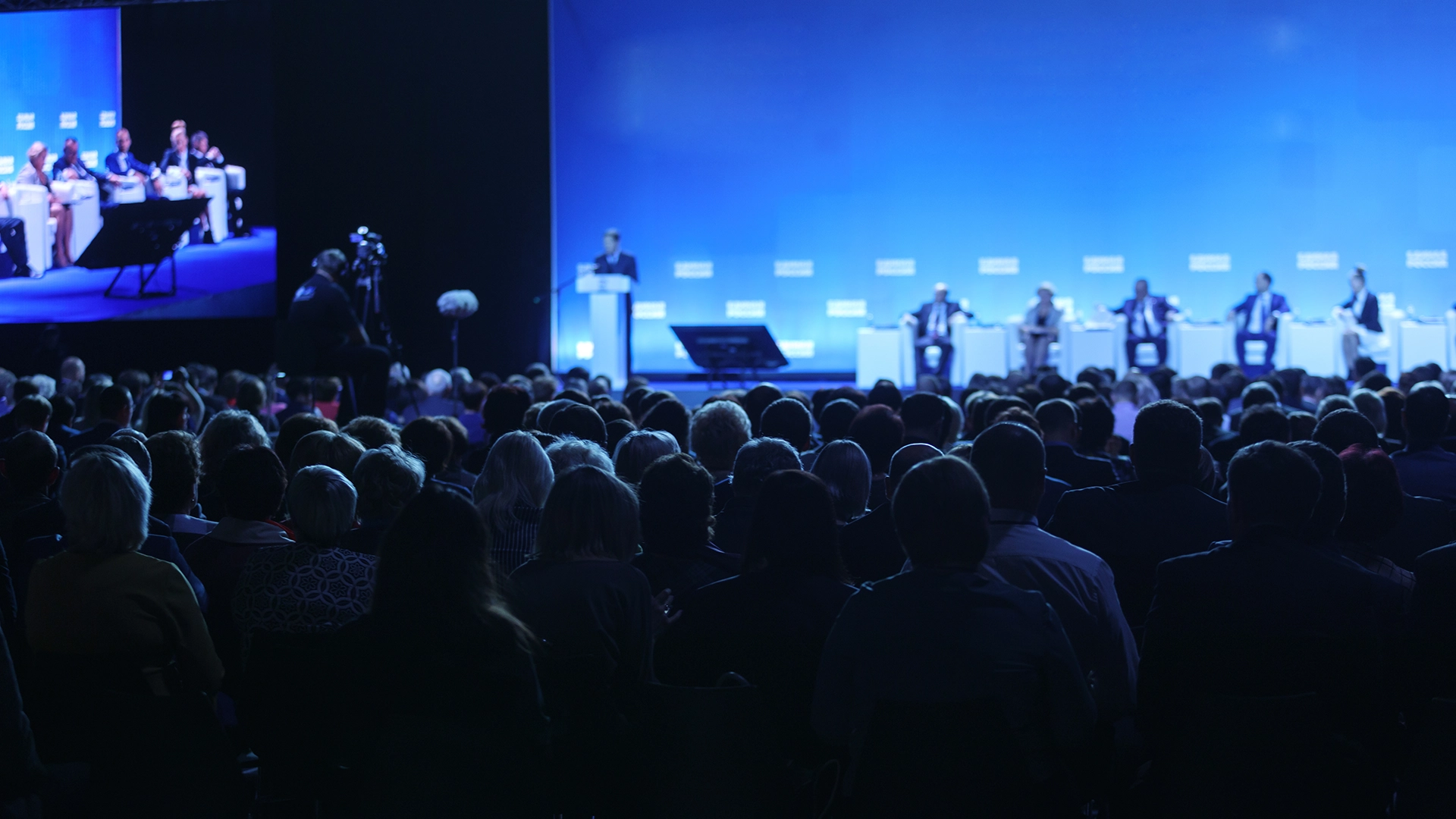
When you attend, expect a vibrant environment where thousands of professionals gather to discuss pressing economic issues. You will find sessions that challenge conventional thinking, workshops that encourage hands-on learning, and opportunities to forge connections that extend beyond the event itself.
The conferences also provide a platform for education through continuing education programs and recent developments series, often included alongside the main meetings. This integration enhances your ability to stay current with evolving economic theories and practices.
As you consider your professional calendar, remember that attending the top annual economic conferences in the world is not merely about presence but about active engagement. These events are your gateway to contributing to economic knowledge, influencing policy, and expanding your professional horizons.
By thoughtfully selecting which conferences to attend and preparing to engage fully, you position yourself at the heart of economic discourse and innovation. The insights you gain and the connections you build can propel your work and career forward in meaningful ways.
Attending economic conferences provides access to the latest research, networking opportunities with global professionals, specialized knowledge in your area of interest, and platforms to present your own work. These benefits collectively enhance your professional development and research impact.
Most of the leading economic conferences are held annually, with some events spanning multiple days or sessions throughout a given year. Their recurring nature helps maintain continuous dialogue and collaboration in the field.
They are usually organized by prominent economic research institutions, universities, and professional associations. Hosting often rotates among different regions to encourage diverse participation and perspectives.
Yes, these conferences provide opportunities for researchers to submit papers and present findings. This exposure allows you to receive feedback, engage with peers, and increase your professional visibility.
Consider your research interests, the conference’s focus areas, the reputation of the organizing body, and logistical factors such as location and timing. Prioritize events that align closely with your professional goals and offer meaningful networking opportunities.