Newsletter Subscribe
Enter your email address below and subscribe to our newsletter
Enter your email address below and subscribe to our newsletter


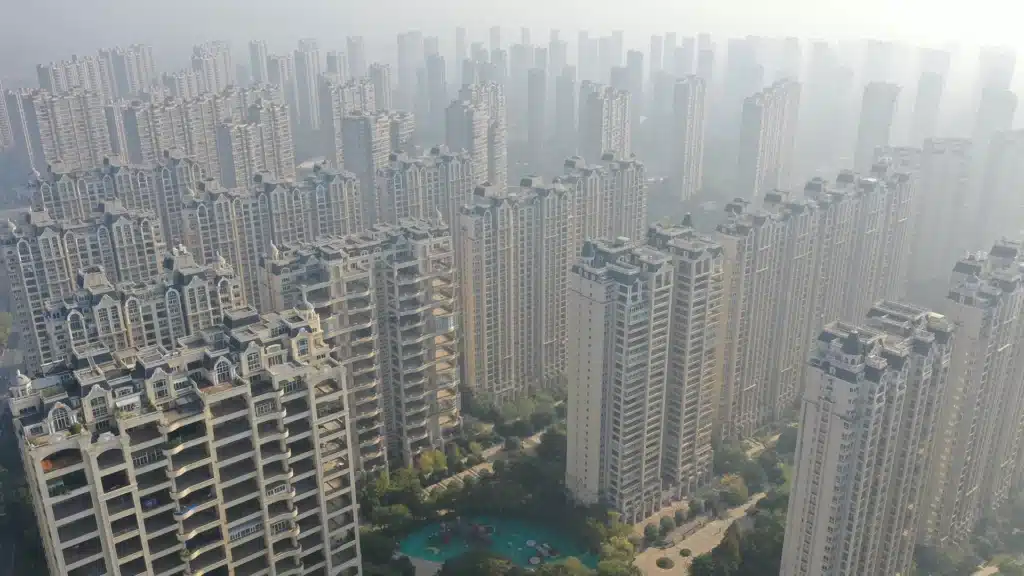
This article explores what the potential measures could include, why they matter for the economy, and how global markets may react to renewed government intervention.
 Tumisang Bogwasi Tumisang Bogwasi
China’s leadership is once again evaluating a new round of property stimulus measures as the country’s real estate sector (long a pillar of national growth) continues to face structural decline. With major developers collapsing, household confidence weakening, and local governments under fiscal strain, Beijing is navigating one of the most complex economic challenges in its modern era.
The deliberations signal a renewed attempt to stabilise the market without reigniting speculative bubbles. As the world’s second-largest economy slows, global investors, commodity markets, and emerging economies are watching closely.
China’s policy choices could shape global growth, supply chains, and capital flows for years to come.
China’s property sector accounts for nearly 25–30% of GDP when related industries are included. Its prolonged downturn has created ripple effects across construction, banking, and consumer spending. Major developers like Evergrande and Country Garden have defaulted, leaving unfinished projects and eroding household faith in pre‑sale models.
Policymakers acknowledge that real estate can no longer serve as the main growth engine. However, without stabilisation, China risks a deeper slowdown.
While details are still emerging, economists expect a mix of targeted interventions rather than broad-based easing.
1. Lower Mortgage Rates and Down Payments
Cities may cut minimum down‑payment ratios to encourage first‑time buyers.
2. Support for Local Government Financing Vehicles (LGFVs)
Stressed local governments may receive credit channels or debt‑swap options.
3. Completion Guarantees for Unfinished Projects
Ensuring delivery of homes will be key to restoring buyer confidence.
4. Policy Easing in Tier‑1 and Tier‑2 Cities
Restrictions on second‑home purchases may be relaxed in select markets.
China is the world’s largest consumer of construction steel, cement, copper, and iron ore. A potential rebound could significantly impact commodity exporters, including African economies that rely heavily on mineral and metal exports.
Countries such as South Africa, Zambia, Angola, and DRC are especially sensitive to shifts in China’s construction activity.
Even with stimulus, China faces long-term headwinds:
Beijing’s strategy must now balance economic stabilisation with the reality that China’s property boom era is over.
Investors are cautious but optimistic about targeted interventions. Equity markets in Hong Kong and Shanghai often respond to stimulus rumours, while global funds monitor bond yields and credit conditions.
For multinational firms, China’s economic direction influences:
China’s next chapter will depend on its ability to shift from property-driven growth to innovation‑led and consumption-driven expansion. Stimulus may buy time, but structural reform will determine long‑term stability.
Beijing must walk a fine line, reviving confidence without triggering speculative excess.
For global markets, China’s decisions in the coming months will be pivotal. For emerging economies reliant on Chinese demand, the stakes could not be higher.