Newsletter Subscribe
Enter your email address below and subscribe to our newsletter
Enter your email address below and subscribe to our newsletter


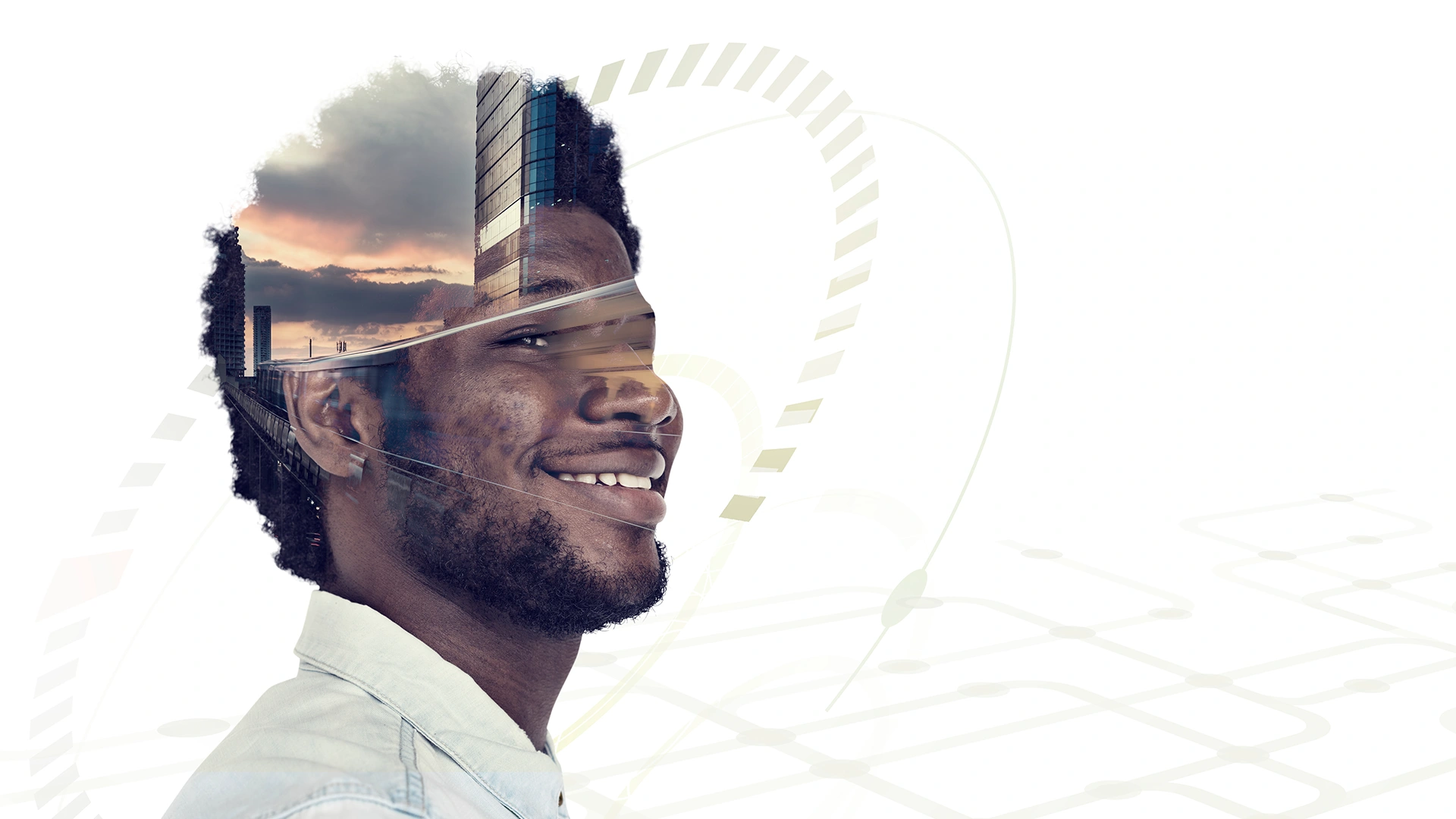
Discover the essential skills needed for tomorrow's jobs and how to adapt in a changing work landscape. Read the article to prepare for the future.
 Nonofo Joel Nonofo Joel
| Getting your Trinity Audio player ready... |
The world of work has undergone dramatic changes over the past five years. What began as an emergency response to global disruption has since evolved into a new paradigm, where remote work, hybrid structures, and AI integration are now at the forefront of the conversation.
Reports from the World Economic Forum (WEF), McKinsey, Gartner, and Deloitte confirm that the future of work in 2025 is digital-first, employee-centric, and AI-enabled. Organizations and leaders are not just responding to these changes; they are actively working to shape the future of work through intentional strategies and innovation. The rapid pace of technological change is a key driver influencing the evolution of the future of work.
In this blog, we are exploring the trends and possibilities shaping the future of work, focusing on the three defining elements of this transformation: remote work, hybrid workplaces, and the role of AI.
Remote work has matured into a mainstream expectation. Gartner predicts that 39% of global Remote work has matured into a mainstream expectation. Gartner predicts that 39% of global knowledge workers will be primarily remote in 2025. For many professionals, location flexibility is no longer a perk but a standard requirement. The growing demand for remote roles is prompting organizations to refine their policies and practices to meet this demand better.
GitLab and Automattic have scaled entirely remote businesses while maintaining productivity, demonstrating that remote-first models can thrive in the long term.
McKinsey research shows that 58% of employees prefer hybrid work models, reflecting the ongoing shift toward flexible and hybrid work environments that combine the flexibility of remote work with the collaborative benefits of in-office interaction.
Example: Global consulting firms and banks are adopting hybrid setups to balance efficiency with employee satisfaction.
AI is no longer a buzzword—it is embedded in everyday workflows. According to the WEF Future of Jobs Report (2025):
As these new roles develop, expertise in managing and leveraging AI tools is becoming increasingly important for organizations and employees to adapt and thrive.
This shift represents a significant transformation in the workforce, where human skills complement technological advancements to unlock new levels of productivity and innovation.
Case Example: UPS leverages AI-powered logistics to optimize delivery routes, cutting costs and reducing emissions. This application not only improves efficiency but also aligns with environmental sustainability goals, demonstrating how AI can drive business success while supporting broader societal benefits.
As AI continues to evolve, organizations must invest in continuous learning and leadership development to equip workers with the skills needed to harness AI’s full potential.
Embracing AI responsibly and ethically will be key to unlocking human potential and shaping a future of work that balances technological innovation with well-being and equity.
Deloitte’s Human Capital Trends 2025 identifies four skills critical for thriving in this new era and highlights the importance of preparing for these new skill requirements:
Preparing the workforce with these skills is not only about individual development but also about organizational efforts to embed continuous learning, mentoring, and leadership development programs that align with the future of work.
Employers who invest in cultivating these competencies will be better equipped to retain talent, foster diversity and equity, and drive sustainable growth in an AI-powered, hybrid work environment.
Human Resources is at the forefront of helping organizations navigate the shifting landscape of work shaped by technological advancements and the rise of remote working.
As artificial intelligence and the gig economy redefine workforce dynamics, HR leaders are shifting their focus from traditional administrative roles to strategic priorities, including leadership development, performance management, and continuous learning.
To drive performance and retain top talent, HR must stay agile and responsive to the latest research and trends, ensuring that organizational priorities align with the evolving demands of the workforce.
This entails fostering a culture of continuous learning, supporting leadership at all levels, and utilizing technology to streamline processes and enhance the employee experience.
By embracing change and preparing for the future of work, HR professionals can help their organizations thrive in a world where adaptability, innovation, and skilled workers are more important than ever.
A positive work culture is a cornerstone of business success in the future of work. Organizations that focus on supporting the well-being and human potential of their employees are better equipped to drive performance, boost productivity, and achieve sustainable growth.
As the workplace continues to evolve, fostering a sense of community, promoting work-life balance, and providing opportunities for personal and professional development are more important than ever.
Research shows that two thirds of employees consider company culture a key factor in their job satisfaction and decision to stay with an organization. By prioritizing an inclusive, equitable, and supportive environment, businesses can unlock the full potential of their workforce, reduce turnover, and attract top talent in a competitive job market.
Companies that focus on building a positive culture are not only preparing to thrive in the future, they are setting the standard for what it means to be a successful, people-centric organization in a rapidly changing world.
Despite its promise, the future of work comes with hurdles on a significant scale:
Remote work remains limited in industries that require a physical presence, such as manufacturing, healthcare, and retail. This disparity can exacerbate existing social and economic inequalities, as workers in these sectors often have fewer opportunities for flexible schedules, career advancement, and access to digital tools. Addressing these inequities will require innovative policies and investments to ensure all workers benefit from the evolving work landscape.
The always-on culture enabled by digital connectivity blurs the boundaries between work and personal life, leading to increased risks of burnout and digital fatigue. Employees may struggle to disconnect, which can lead to decreased well-being and productivity. Organizations must prioritize well-being initiatives, promote healthy work habits, and encourage boundaries to support sustainable work practices.
The integration of AI in the workplace introduces complex ethical challenges, including concerns about algorithmic bias, privacy violations, and job displacement. Ensuring transparency, fairness, and accountability in AI systems is crucial to maintaining trust among employees and stakeholders. Companies must develop ethical guidelines and governance frameworks to navigate these risks responsibly.
Rapid technological advancements and shifting job requirements create skill gaps that can leave many workers behind. Continuous learning and upskilling programs are crucial for equipping employees with the competencies necessary to excel in new roles and adapt to evolving demands.
Hybrid and remote work models, although beneficial, can pose challenges in maintaining a cohesive organizational culture. The lack of face-to-face interaction may affect team dynamics, collaboration, and employee engagement. Leaders must find creative ways to foster connection, inclusivity, and shared purpose across dispersed teams.
Global economic fluctuations, geopolitical tensions, and market disruptions add layers of uncertainty to workforce planning. Organizations need agile strategies to respond to these external pressures while sustaining growth and employee security.
Navigating these challenges requires a holistic approach that balances technological innovation with human-centered practices. By proactively addressing these hurdles, businesses can create resilient, equitable, and thriving workplaces that unlock the full potential of their workforce in the future of work.
Understanding the future of work is greatly enhanced by looking at the latest statistics that illustrate the scale and direction of ongoing changes:
These statistics demonstrate the profound shifts underway and the opportunities for organizations that embrace flexibility, continuous learning, and technological innovation to thrive in the next generation of work.
The future of work in 2025 is not just about technology—it’s about creating a flexible, inclusive, and human-centered workplace that leverages innovation to unlock human potential.
Remote and hybrid models have become permanent fixtures, while AI continues to transform workflows and redefine roles. Success in this evolving landscape depends on adaptability, continuous learning, and strong leadership development.
Organizations that embrace flexibility, prioritize upskilling, and integrate AI in an ethical and responsible manner will be best positioned to drive performance, retain talent, and foster a culture of well-being and equity.
By proactively shaping these changes, businesses can create resilient and sustainable workplaces that thrive amid ongoing technological advancements and evolving organizational priorities.
The future of work is primarily driven by technological advancements such as artificial intelligence, the rise of remote and hybrid working models, and evolving organizational priorities focused on flexibility, continuous learning, and employee well-being.
Remote work has become a mainstream expectation, with many employees valuing location flexibility as a key factor in job selection. It expands talent pools and reduces organizational costs but also requires addressing challenges like collaboration and cybersecurity.
Critical skills include digital fluency, cross-border collaboration, resilience, agility, adaptability, and AI oversight and ethics. Continuous learning and leadership development are essential to keep pace with evolving demands.
AI will displace some roles but create new ones focused on creativity, problem-solving, and AI management. It enhances productivity and operational efficiency while requiring workers to adapt and develop new skills.
HR is evolving into a strategic partner focused on talent management, leadership development, performance management, and fostering a culture of continuous learning to help organizations adapt to technological change and workforce shifts.
Challenges include addressing inequities in remote work access, managing digital fatigue, ethical concerns around AI, skill gaps, maintaining organizational culture in hybrid settings, and navigating economic uncertainties.
By prioritizing employee well-being, inclusivity, equity, and opportunities for growth, organizations can foster engagement, retain talent, and unlock the full potential of their workforce in a rapidly changing environment.