Newsletter Subscribe
Enter your email address below and subscribe to our newsletter
Enter your email address below and subscribe to our newsletter


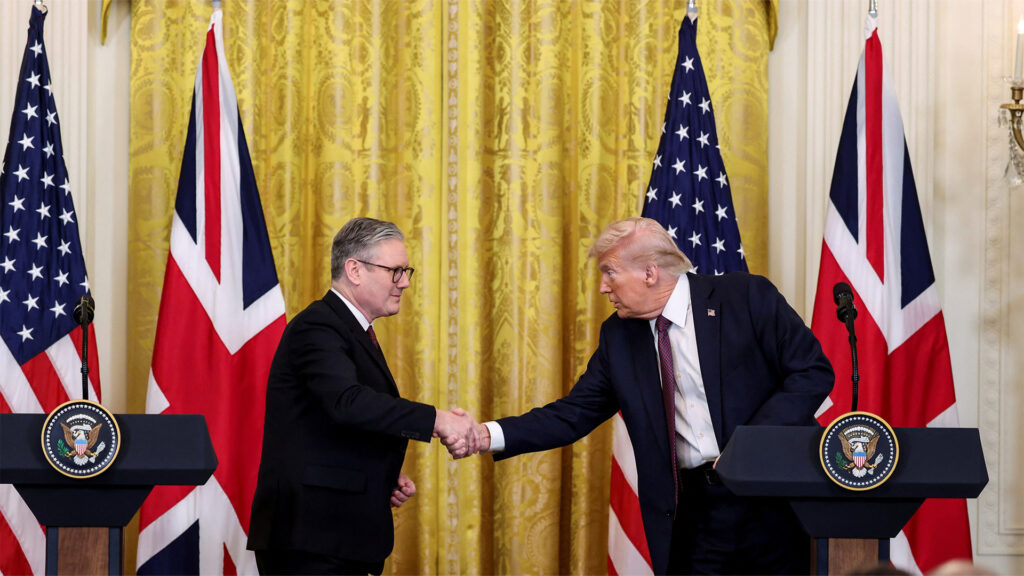
Historic US-UK trade deal enhances market access for American exporters and strengthens bilateral economic security.
 Tumisang Bogwasi Tumisang Bogwasi
On May 8, 2025, the United States and the United Kingdom announced a historic trade deal, solidifying their special relationship while dramatically enhancing their economic opportunities.
This landmark agreement, unveiled by President Donald J. Trump and UK Prime Minister Keir Starmer, represents a significant milestone in advancing an America First trade policy and fortifying bilateral economic security.
The trade agreement is more than just an economic pact; it symbolizes a renewed commitment to a reciprocal and fair trading environment between two of the world’s most influential economies.
President Trump described it as a deal that will protect and create jobs while significantly expanding market access for American farmers and manufacturers.
This deal marks a transformative shift in U.S.-UK economic relations, promoting a golden age of trade while safeguarding the economic security of both nations. It reflects a proactive stance on fair trade and economic alignment, setting a precedent for future agreements with other allies.
This agreement stabilizes the automotive sector, which faced uncertainty due to fluctuating tariffs. Meanwhile, the aerospace and pharmaceutical industries benefit from improved supply chain security and market predictability.
The reciprocal approach to tariffs signals a more balanced trade environment, which could inspire similar agreements with other key trading partners.
Business leaders on both sides of the Atlantic have hailed the deal as a long-overdue breakthrough, emphasizing that the commitment to economic security aligns with long-term growth strategies.
This agreement is seen as a practical and forward-thinking response to the modern challenges of global trade.
The final details of the agreement will be formalized in the coming weeks, and both governments will work to expedite implementation. The focus remains on fostering economic cooperation while ensuring trade policies support domestic industries and workforce development.