Newsletter Subscribe
Enter your email address below and subscribe to our newsletter
Enter your email address below and subscribe to our newsletter


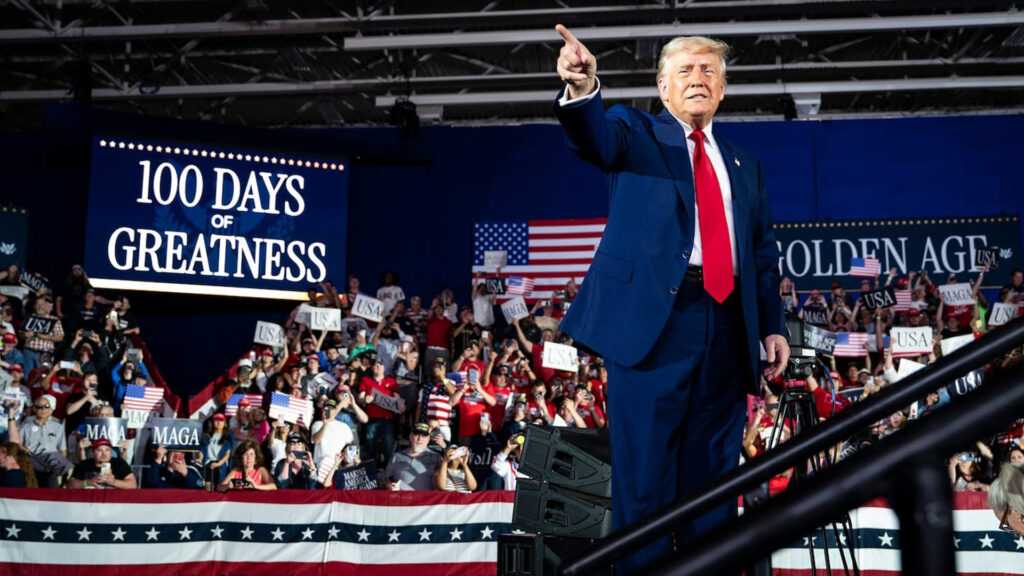
AI, Tax Cuts, and Manufacturing: Inside Trump's Economic Revival Strategy — Discover why American industry is booming again in Trump’s first 100 days.
 Tumisang Bogwasi Tumisang Bogwasi
In what is being touted as the most consequential first 100 days in American presidential history, President Donald J. Trump has ignited a wave of optimism across the business world. With a strategy that blends aggressive deregulation, targeted tariffs, and tax incentives, the Trump administration has pivoted the United States back toward an era of industrial revival and economic nationalism.
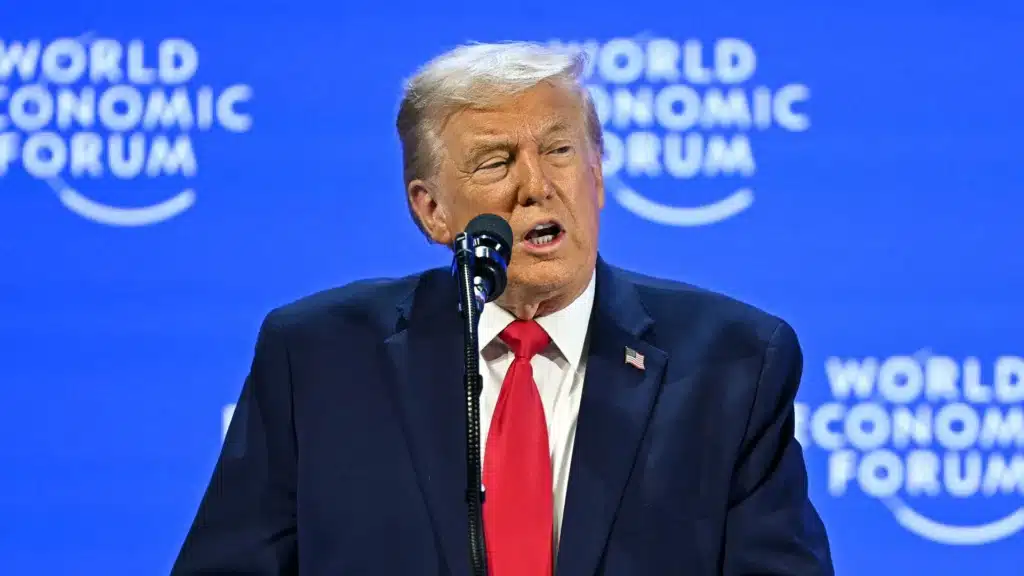
Addressing a powerhouse assembly of global CEOs and industry leaders at the White House, Trump reaffirmed his administration’s core mission: restoring American greatness through economic sovereignty and manufacturing might.
From Nvidia to Apple, Hyundai to SoftBank, corporations have responded with staggering investment commitments totaling more than $8 trillion since November 5th, 2024. These developments signify renewed corporate confidence and a structural realignment of global capital flows, back to American soil.
In a sweeping declaration, Trump emphasized reintroducing 100% expensing on capital investments, allowing companies to deduct the full cost of factory construction and machinery in the same year of purchase. The policy is retroactive to January 20, 2025, and is set to run for four years — an unprecedented tax relief timeline that incentivizes rapid industrial expansion.
Combined with a new 15% corporate tax rate for companies that manufacture in the USA, Trump’s fiscal approach re-establishes America as the premier global investment destination.
Unlike the conventional free-trade orthodoxy, Trump continues to use tariffs as tactical levers to redirect production and capital. The emphasis is clear: “Made in the USA” is not just a slogan; it’s a foundational policy.
South Korean tech giant Samsung, for example, announced plans to build new facilities in the U.S. to bypass tariff pressures. This strategic pressure has catalyzed one of the fastest industrial resurgences in modern U.S. history.
Among the 40+ business leaders at the White House:
These are not mere promises — ground has already been broken across multiple states.
Artificial Intelligence is no longer software-bound — it now relies on physical factories, robotic assembly lines, and power-hungry supercomputers. As highlighted by NVIDIA’s presentation of its 70-pound GPU supercomputer at the event, the AI boom is also a manufacturing boom.
Trump’s support for AI manufacturing — including greenlighting companies to build their own on-site power plants — is creating the blueprint for 21st-century American industrialism.
To meet AI and manufacturing energy demands, Trump announced a regulatory fast-track for companies to build private utility plants. With the outdated national grid under pressure, this move not only resolves energy bottlenecks but also reinforces corporate autonomy.
Recruitment numbers for the U.S. military and police forces have spiked — a cultural shift attributed to Trump’s tough-on-crime and pro-America policies. There’s a renewed sense of national pride, purpose, and enlistment.
Trump signaled a second wave of regulatory slashing, promising a reduction even deeper than his first term’s record 4x more cuts than any previous administration. This aligns with a key insight from a top CEO: “Regulation relief mattered more than tax cuts.”
President Trump’s first 100 days have already reshaped the American economic landscape. With $8 trillion in investments, sweeping deregulation, tax relief, and a pro-business agenda, the U.S. is entering a new industrial renaissance.
The fusion of AI, manufacturing, and energy policy under his leadership could redefine American competitiveness for generations.