Newsletter Subscribe
Enter your email address below and subscribe to our newsletter
Enter your email address below and subscribe to our newsletter


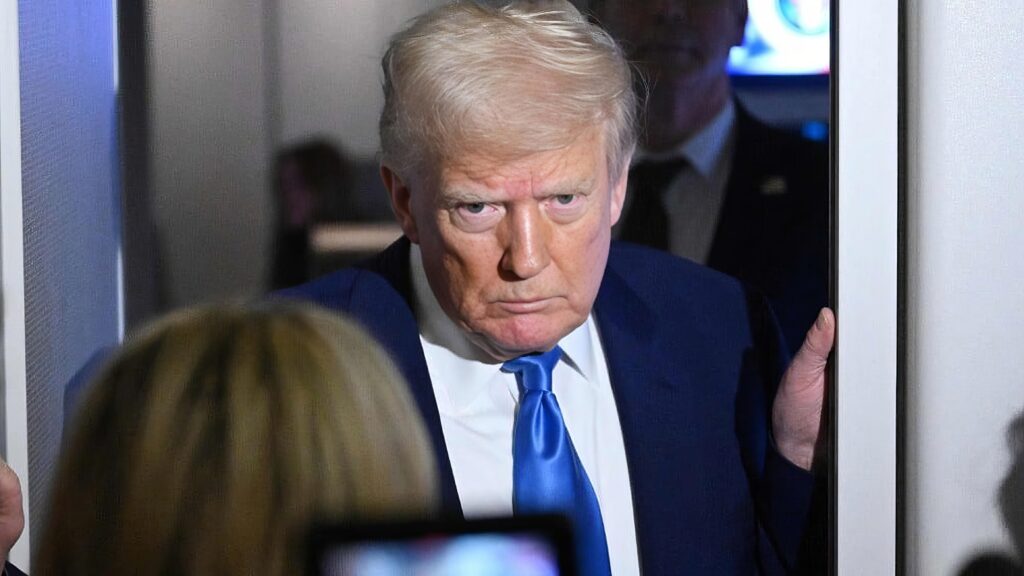
Trump threatens China with 50% tariffs amid escalating global trade tensions.
 Tumisang Bogwasi Tumisang Bogwasi
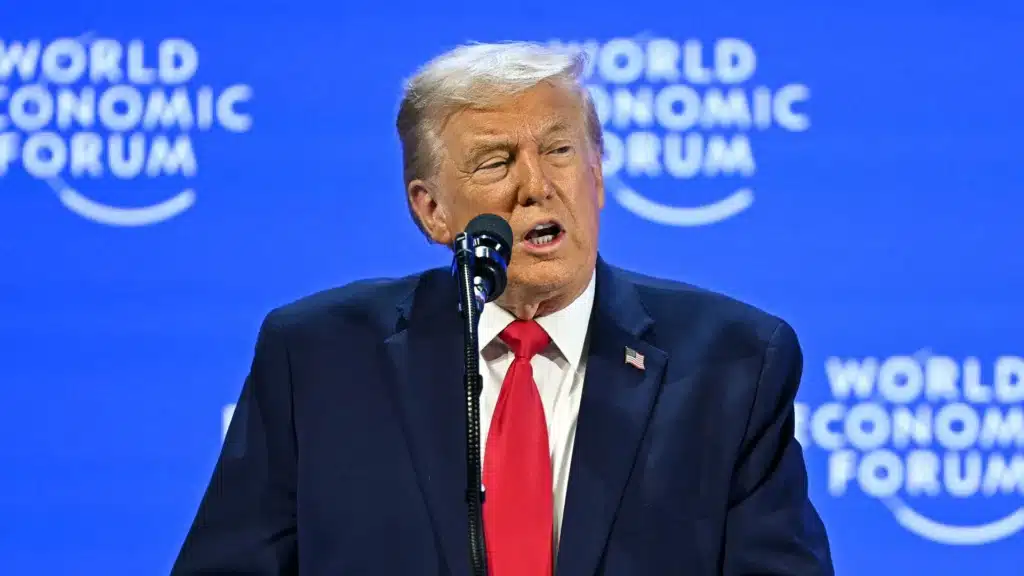
President Donald Trump has delivered another sharp warning to Beijing: drop your 34% counter-tariff or face an additional 50% U.S. tariff. The move, amidst turbulent global market reactions, signals the next stage in what many call a full-fledged global trade recalibration. The stakes continue to rise with Trump’s unapologetic “America First” economic doctrine as the backdrop.
This latest escalation adds pressure to a rapidly evolving global trade landscape. As the world’s two largest economies flex their muscles, businesses, investors, and governments worldwide are recalibrating. Trump insists the goal is to forge fairer and more reciprocal trade arrangements—an approach that resonates deeply with capitalist, sovereignty-focused thinkers who reject globalism’s excesses.
Trump’s economic strategy has always centered on one clear principle: the U.S. should no longer tolerate trade deficits from unfair agreements. In this light, the imposition of tariffs is not protectionism but economic self-defense. The Liberation Day policy, which introduced minimum tariffs on nearly all U.S. trading partners, underscores this philosophy.
China’s swift 34% countermeasure has triggered Trump’s latest response. The administration argues that previous U.S. leaders tolerated trade imbalances that hollowed out American manufacturing and enriched adversarial regimes. In Trump’s view, the new tariff threats are a means to restore economic dignity and sovereignty.
If implemented, the additional 50% tariff would be levied on top of:
Combined, some Chinese imports could face a staggering 104% tariff rate.
Such rates could cripple Chinese exporters, especially in high-volume categories like:
In response, China’s commerce ministry labeled the U.S. stance “a mistake on top of a mistake,” warning that Beijing will never accept what it described as blackmail.
Stock markets worldwide responded swiftly. The Hang Seng Index plummeted 13% on Monday, its worst single-day performance since 1997. European indexes closed down more than 4%, and Wall Street faced early declines before regaining some ground.
Notable regional losses included:
Such volatility reflects investor fears over a prolonged trade war and its impact on supply chains and global growth.
Despite the tension, Trump has clarified that negotiations are welcome—if countries are willing to engage on America’s terms.
During a visit to the White House, Israeli Prime Minister Benjamin Netanyahu pledged to eliminate his country’s trade imbalance with the U.S. and reduce barriers. Under the Liberation Day framework, Israel faces a 17% tariff.
European Commission President Ursula von der Leyen offered a “zero-for-zero tariff” proposal, signaling openness to negotiation. However, she reiterated the EU’s readiness to retaliate if needed.
Japan has sent a negotiation team to Washington. Though details are limited, both sides want to reduce friction and create a new foundation for economic cooperation.
China continues to hold its line, branding the U.S. actions as unilateral and coercive. Chinese officials argue that America’s strategy is rooted in protectionism and violates global trade norms.
A spokesman from the Chinese embassy called the move “hegemonic” and accused the U.S. of prioritizing its interests at the expense of international rules.

Trump’s bold moves, while controversial, have forced a reckoning. For too long, critics say, developed nations like the U.S. allowed globalist trade policies to erode their industrial bases. By aggressively renegotiating terms, the administration is pushing the world to rethink what fair trade really looks like.
Businesses are understandably jittery, but some see opportunity. African nations, for instance, have a chance to reposition themselves as alternative suppliers to China and the U.S.
Trump’s latest tariff threats are not just about China. They reflect a broader move to dismantle outdated trade norms and reassert national sovereignty. While critics decry the approach as risky, others argue it’s long overdue.
Whether this moment leads to mutually beneficial deals or a prolonged trade cold war remains to be seen. What is certain is that the age of one-sided globalization is drawing to a close.