Newsletter Subscribe
Enter your email address below and subscribe to our newsletter
Enter your email address below and subscribe to our newsletter


Economists raise recession odds after Trump's tariffs, but stress it’s not inevitable.
 Tumisang Bogwasi Tumisang Bogwasi
President Donald J. Trump’s aggressive tariff strategy, announced during the historic ‘Liberation Day‘ speech, has sent ripples through the global economic landscape. As global markets recalibrate and trading partners respond, economists have revised their forecasts, warning that recession risks are climbing.
Following President Trump’s sweeping trade announcements, concerns are mounting among analysts and economists about the potential fallout. With tariffs now targeting key trading partners across Europe, Asia, Africa, and Latin America, the prospects of a global slowdown and even a U.S. recession have become a serious talking point.
“There’s always an unconditional possibility of a recession,” said Federal Reserve Chair Jerome Powell during his recent press conference. “So the question is whether, in this current situation, those possibilities are elevated”. (Investopedia)
Here’s how major firms have adjusted their outlooks:
| Firm | Before Tariffs Announced | After Tariffs Announced |
| Goldman Sachs | 35% | 45% |
| JPMorgan | 40% | 60% |
| Moody’s Analytics | 35% | 45% |
Morgan Stanley, while not providing specific figures, stated, “While a U.S. recession that drags much of the global economy down with it is not our base case, it is increasingly a realistic bear case.”
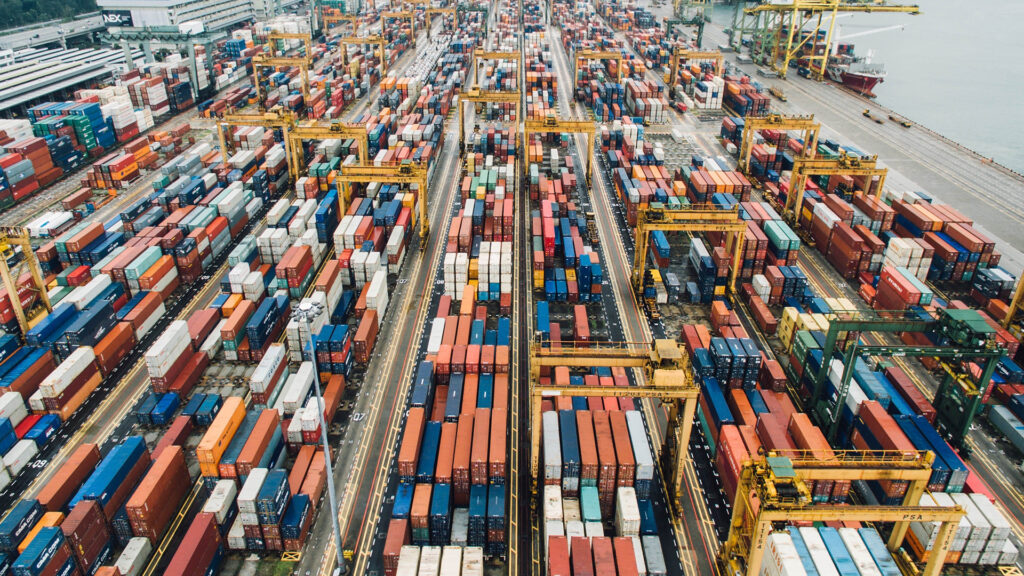
Tariffs act as a tax on imports. As costs rise for U.S. businesses, many pass those costs to consumers. This can drive up inflation, reduce disposable income, and discourage spending—key pillars of economic stability.
Many trading partners, including the EU and China, have hinted at retaliation. If that materializes, it could further slow exports and increase global uncertainty (Politico, New York Post).
Companies like Apple, Walmart, and Nike have already seen market losses tied to concerns over higher operating costs and disrupted supply chains (The Sun).
African nations face both threats and opportunities. Lesotho, facing a 50% tariff, is under severe pressure.
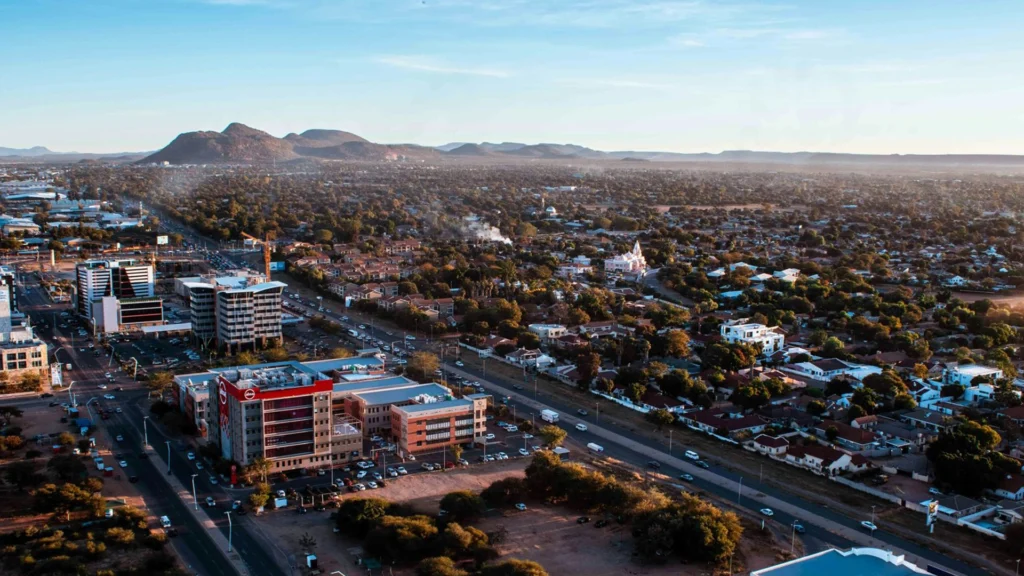
Botswana, now under a 37% reciprocal tariff agreement, could see domestic manufacturing and trade diversification accelerate if it invests in industrial resilience.
While a recession is not guaranteed, the probability rises as the world digests ‘Liberation Day‘ and its far-reaching consequences. Global businesses, governments, and consumers alike must pivot toward the changes in the world of trade.
From localizing supply chains to negotiating bilateral deals, this could begin a new chapter in global trade shaped by sovereign interests, regional alliances, and economic adaptation.