Newsletter Subscribe
Enter your email address below and subscribe to our newsletter
Enter your email address below and subscribe to our newsletter


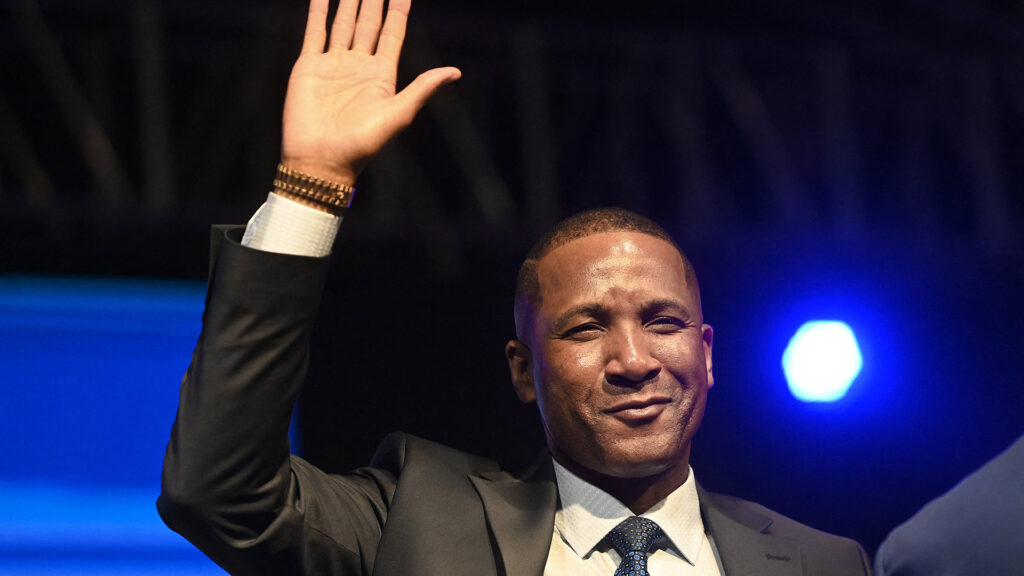
Duma Boko declared Botswana’s 6th president after historic elections unseat BDP’s 58-year rule. Learn about this significant political shift.
 Tumisang Bogwasi Tumisang Bogwasi
GABORONE, Nov. 1, 2024 — Duma Boko, the presidential candidate of the Umbrella for Democratic Change (UDC), has officially been declared the sixth President of the Republic of Botswana, marking a monumental change in the country’s political history.
This announcement follows a fiercely contested election that resulted in the unseating of the Botswana Democratic Party (BDP), which has held power for an uninterrupted 58 years since independence in 1966.
Botswana’s Chief Justice, Terence Rannowane, made the declaration on national television, solidifying Boko’s victory amid jubilant celebrations across the nation.
The political atmosphere has been electric since the counting of votes began, with reporters stationed at various centers capturing the unfolding drama. As the results continued to roll in, it became increasingly evident that the UDC had secured a decisive victory, earning 36 of the 61 parliamentary seats.
Meanwhile, the BDP managed to win only four seats, a stark reminder of the waning support for the once-dominant party.
In a significant and statesmanlike concession speech, outgoing President Mokgweetsi Masisi addressed the nation, acknowledging the will of the people. “My fellow Batswana, I stand before you this morning humbled but proud.
At the end of my first term as president, I wish to congratulate the opposition on their victory and concede defeat. I will respectfully step aside,” Masisi stated, pledging to facilitate a smooth and cooperative transition of power.

Masisi further emphasized the importance of national unity and the role of public service, expressing his hope for Botswana’s continued progress. “The public service is apolitical and serves the government of the day. So, I expect all focus to shift and stand ready to take instruction and subscribe to the dictates of the new administration,” he added.
Duma Boko’s swearing-in ceremony took place at the Botswana High Court in Gaborone. Boko, a 54-year-old Harvard Law School graduate and seasoned human rights lawyer, delivered a heartfelt acceptance speech.
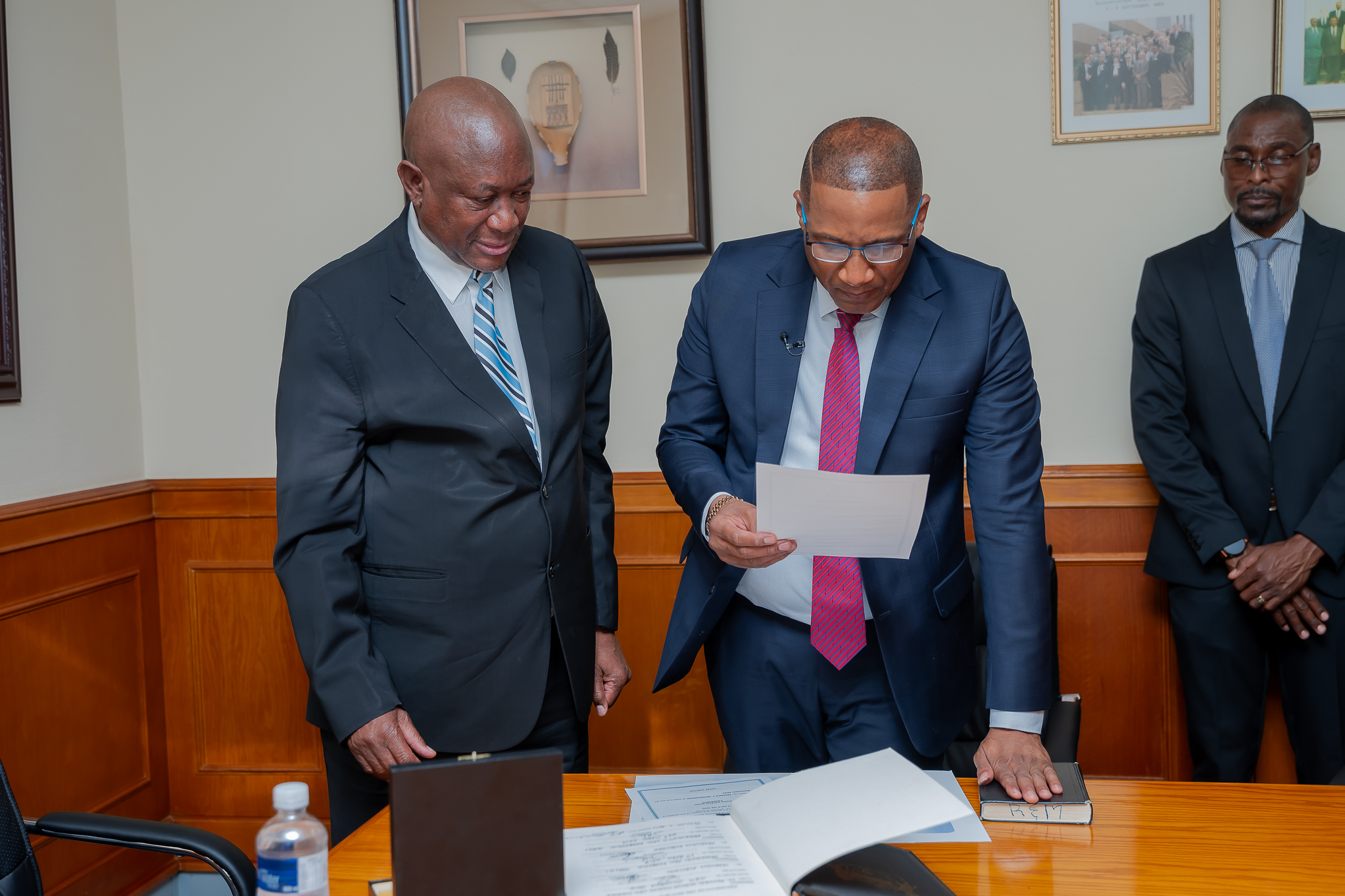
“I pledge with every fiber of my being that I will do everything I can, not to fail, not to disappoint, appreciating always the enormity of the responsibility bestowed upon me by the people of this republic,” he declared, promising to usher in a new era of leadership centered on accountability, social justice, and economic reform.
His acceptance speech resonated deeply with a nation yearning for change, particularly amid economic struggles exacerbated by a downturn in the global diamond trade. With diamonds making up a significant share of Botswana’s economy, the mining slowdown has led to rising unemployment and growing frustration among the populace.
The BDP’s electoral defeat is not just a national milestone but part of a broader trend sweeping across Southern Africa. Long-standing parties that once commanded respect for their roles in fighting colonialism have seen their influence wane as younger generations prioritize economic opportunities and quality education over historical legacies.
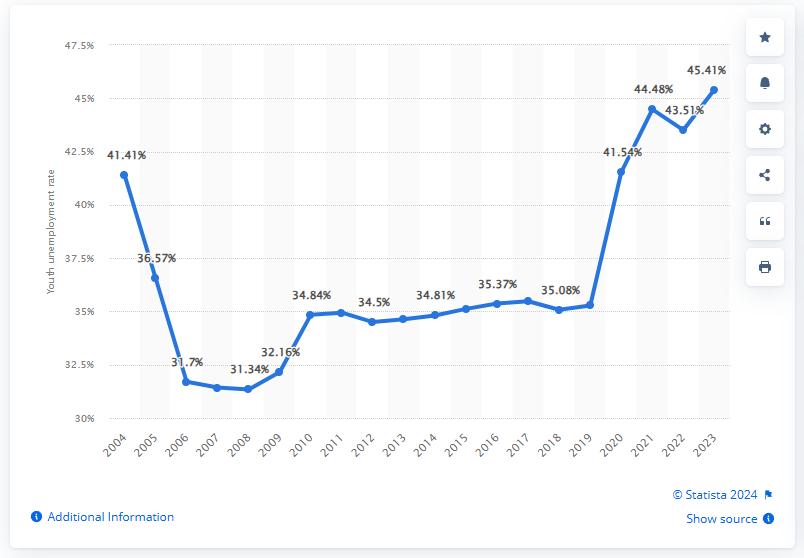
Botswana, once hailed as a model of economic prudence and good governance, has faced mounting criticisms for perceived corruption and inefficient leadership under the BDP. Unemployment has reached nearly 28%, with youth unemployment climbing to a staggering 45.41%. These harsh realities have fueled calls for change, and voters have responded emphatically.
Botswana’s economic woes, particularly the overreliance on diamond revenues, present a formidable challenge for President Boko. The nation’s GDP growth is projected at just 1% for the year, a sharp decline from 5.5% in 2022.
Diversifying the economy, creating jobs, and improving public services will be among the new administration’s top priorities.
Critics of the BDP have long argued that the country’s economic mismanagement and corruption have hindered progress, and now, all eyes will be on the UDC to deliver on their promises of change.
The streets of Gaborone and other major towns were filled with a mix of hope and relief as citizens celebrated the historic change. Tumelo Eetsi, a 33-year-old teacher in the capital, voiced the sentiment of many: “I couldn’t be happier to see us out of the rule of Masisi and his administration. I just wanted to see change for this nation, and I’m hopeful we’ll have a fresh start on many things.”
However, the transition is not without anxiety. As Botswana moves forward under new leadership, citizens are cautiously optimistic, knowing that the journey to prosperity will require steadfast commitment from both the government and the people.
The final seat count in Botswana’s National Assembly is as follows:
| Party | Seats Won | Percentage of Total Seats |
|---|---|---|
| ? Umbrella for Democratic Change (UDC) | 36 | 59% |
| ? Botswana Congress Party (BCP) | 15 | 25% |
| ? Botswana Patriotic Front (BPF) | 5 | 8% |
| ? Botswana Democratic Party (BDP) | 4 | 7% |
| ? Independent Candidates | 1 | 2% |
| Total Seats | 61 | 100% |
As President Duma Boko takes the helm, he inherits a nation full of promise but also one facing significant challenges. The coming weeks and months will be critical in determining whether the new administration can deliver on its mandate and set Botswana on a path to renewed growth and prosperity.