Newsletter Subscribe
Enter your email address below and subscribe to our newsletter
Enter your email address below and subscribe to our newsletter


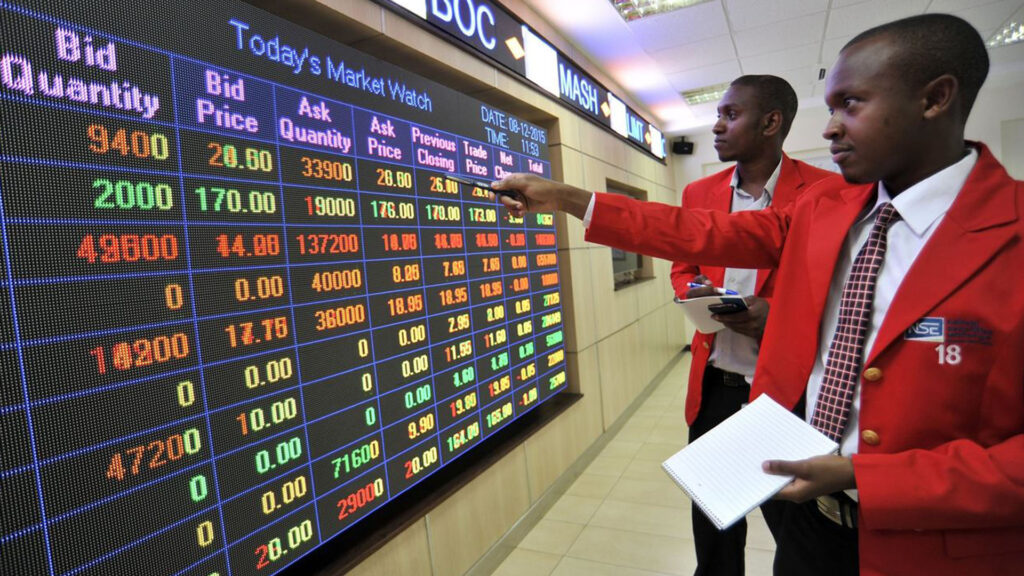
African markets brace for impact as Kenya's central bank decision, global rebounds, and oil price shifts influence economic outlook.
 Tumisang Bogwasi Tumisang Bogwasi
African markets are navigating a turbulent landscape influenced by global economic concerns and regional political events.
As various factors converge, from central bank decisions to geopolitical tensions, stakeholders must remain informed and adaptable to effectively manage the evolving economic environment.
Kenya’s central bank is poised to announce its latest benchmark lending rate decision, a key event that could influence financial markets and economic strategies in the region.
Japanese stocks surged at the opening bell on Tuesday, providing a much-needed boost to Asian share markets. The rally was triggered by reassuring statements from central bank officials, calming investor nerves and even activating circuit breakers in some markets.
Oil prices saw a rebound of more than 1% on Tuesday, recovering from the previous session’s losses. This was driven by supply concerns amidst escalating Middle East conflicts, robust US services sector data, and production cuts at Libya’s Sharara oilfield.
South African stocks and the rand experienced significant declines on Monday as global investor sentiment turned sour. The growing fears of a potential recession in the United States have prompted a shift away from riskier assets.
Protests over the soaring cost of living in Nigeria have subsided, with reduced turnout in major cities following a deadly crackdown by security forces. The demonstrations, which began last week, highlighted the ongoing economic struggles in the country.
The Kenyan shilling showed slight gains in early trading on Monday, with expectations of further strengthening. This improvement is attributed to increased dollar inflows from the tea sector, providing much-needed support to the local currency.
Kenya’s private sector activity saw a decline in July, largely impacted by public protests against the government. The unrest has hurt economic confidence and disrupted business operations, according to a recent survey.
Ugandan police arrested 14 opposition officials and supporters on Monday. The arrests occurred during a march to the Kenyan embassy to protest Nairobi’s detention and deportation of their colleagues, highlighting regional political tensions.
Cocoa arrivals at ports in Ivory Coast, the top global producer, have significantly decreased. As of August 4, arrivals were down 26.8% compared to the same period last season, according to exporters.
China’s CMOC and other mining companies have applied for their copper to be registered for delivery against London Metal Exchange (LME) contracts. This move could have significant implications for the global copper market.
The African markets are currently navigating a complex landscape marked by economic, political, and environmental challenges. The recent decisions by central banks, fluctuations in global oil prices, and regional political tensions are crucial factors influencing market stability.
Additionally, the advancements in mining and agricultural exports, particularly in the Ivory Coast and DR Congo, underscore the continent’s pivotal role in global commodity markets. Stakeholders should remain vigilant and adaptive to these dynamic conditions to navigate the evolving economic environment effectively.