Newsletter Subscribe
Enter your email address below and subscribe to our newsletter
Enter your email address below and subscribe to our newsletter


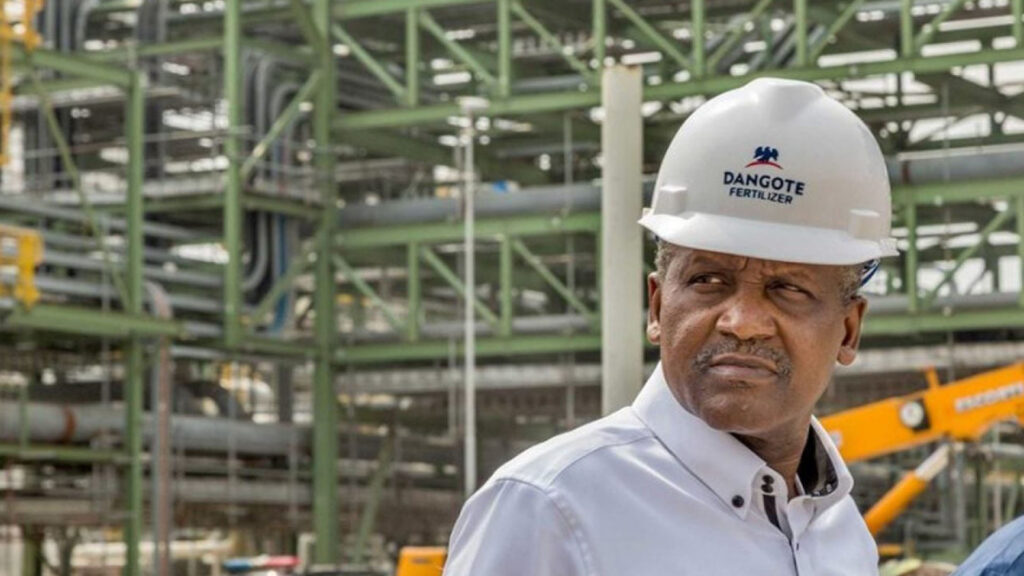
Lawmakers visit Dangote Refinery to investigate quality claims, find diesel within ECOWAS limits, and discuss production challenges.
 Tumisang Bogwasi Tumisang Bogwasi
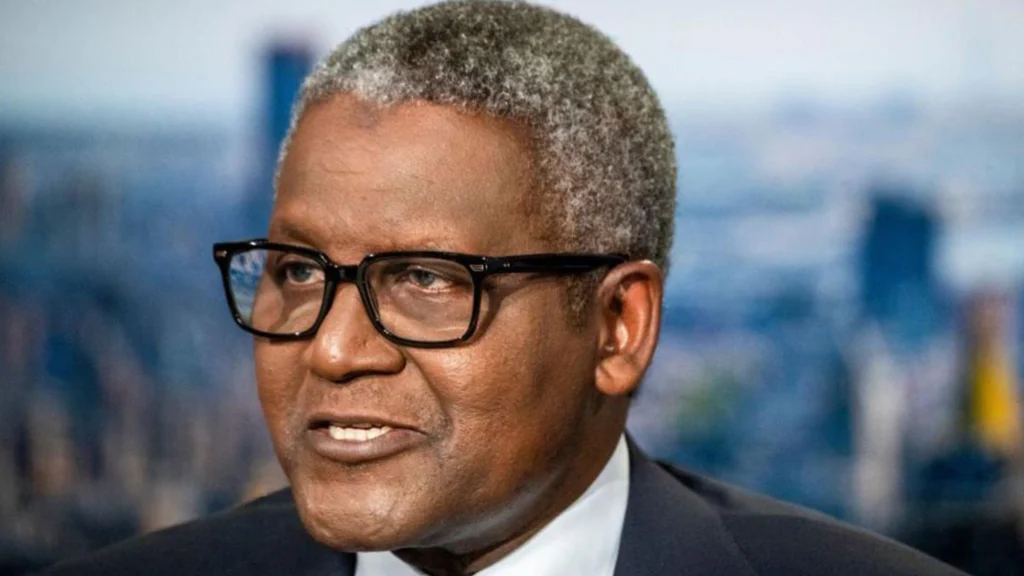
Africa’s richest man, Aliko Dangote, has refuted allegations from the Nigerian Midstream and Downstream Petroleum Regulatory Authority (NMDPRA) that his refinery produces substandard diesel.
During a visit by lawmakers to the Dangote Petroleum Refinery in Lagos, Dangote defended his refinery’s output and called for further independent testing.
During the lawmakers’ visit, led by Speaker Tajudeen Abbas and Deputy Speaker Benjamin Kalu, a credibility analysis was conducted at the refinery’s laboratory.
The test showed the diesel, commonly known as AGO, measured 87.6 PPM. This is well within the current ECOWAS regulation limit of 200 PPM for locally produced diesel, set to tighten to 50 PPM by January 2025.
Dangote emphasized the quality of his products, stating, “Against the narrative of the regulator, NMDPRA, our product today after test is 87.7 PPM and by the end of August, we will be at 10 PPM. All the laboratory certificates people are floating around to justify numbers are fake certificates.”
Speaker Abbas expressed surprise at the contradictory statements from NMDPRA, which had previously certified the refinery’s operations as compliant. He noted the need to investigate potential ulterior motives behind these allegations.

Dangote proposed independent testing by a team including the NMDPRA CEO and refinery representatives to ensure transparency.
The Dangote refinery, aiming for a production level of 550,000 bpd this year, has faced challenges in securing sufficient domestic crude supplies. Dangote revealed that the refinery had received only five crude cargoes from the Nigerian National Petroleum Company (NNPC) since starting operations, instead of the anticipated 15 cargoes.
Due to these shortages, the refinery has resorted to importing crude from Brazil and the US, despite higher costs from brokers. “That is why we went ahead and bought some Brazilian crude, we also got US crude. Anytime we go to IOCs (international oil companies), they say go to brokers,” Dangote stated.
The Dangote refinery, constructed for $20 billion and beginning production in January, is on track to significantly boost Nigeria’s refining capacity. Despite delays and current challenges, the refinery aims to reduce Nigeria’s dependency on imported petroleum products, providing a major boost to the local economy.