Newsletter Subscribe
Enter your email address below and subscribe to our newsletter
Enter your email address below and subscribe to our newsletter


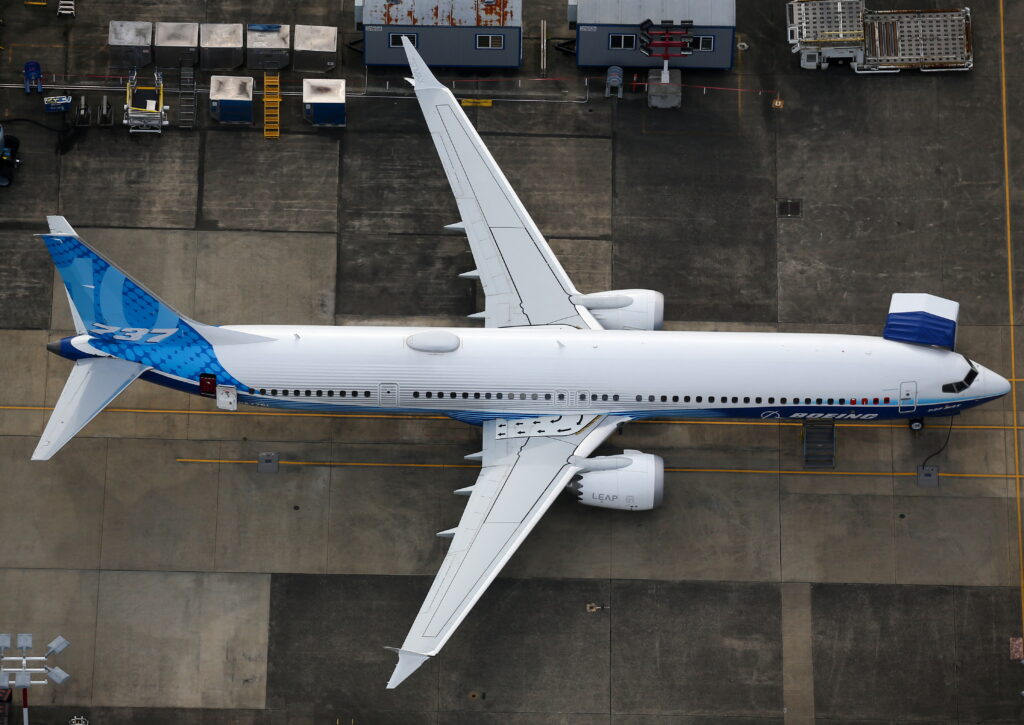
Boeing agrees to a criminal fraud plea deal tied to 737 Max crashes, facing fines and compliance measures; victims' families oppose the agreement
 Tumisang Bogwasi
Tumisang Bogwasi
Tumisang Bogwasi
Boeing has agreed to plead guilty to criminal fraud related to the fatal 737 Max crashes. This decision marks a significant development for the U.S. aerospace giant, branding it as a felon but allowing it to avoid a trial while it tries to recover from safety and manufacturing crises.
The plea deal, which requires federal court approval, includes a fine and the installation of an independent monitor to oversee compliance at Boeing for three years.
The aerospace industry is closely watching Boeing’s legal challenges and compliance issues. This plea deal underscores the critical importance of transparency and rigorous safety standards in aviation.
It also highlights the potential legal and financial ramifications for companies that fail to adhere to regulatory requirements. The installation of an independent monitor may serve as a precedent for future corporate governance and compliance measures in the industry.
Boeing’s decision to accept a plea deal comes after a series of safety and manufacturing crises that have plagued the company.
The crashes of the Lion Air flight in October 2018 and the Ethiopian Airlines flight in March 2019, both involving the 737 Max, resulted in the deaths of 346 people. These incidents have significantly impacted Boeing’s reputation and financial standing.
The agreed-upon fine of $487.2 million, potentially reduced to $243.6 million, represents a significant financial penalty for Boeing. However, the company’s substantial revenue from its defense, space, and security units may help mitigate the impact.
The plea deal’s requirement for Boeing to invest at least $455 million in compliance and safety programs demonstrates the company’s commitment to improving its safety protocols.
The installation of an independent monitor to oversee Boeing’s compliance during a three-year probationary period is a critical component of the plea deal.
This measure aims to ensure that Boeing adheres to stringent safety and compliance standards, thereby preventing future violations and enhancing overall corporate governance.
The plea deal has faced opposition from victims’ families, who argue that it provides concessions to Boeing that other criminal defendants would not receive.
Legal representatives for the families have called for a public trial to hold Boeing fully accountable for the crashes. This public and legal scrutiny underscores the broader implications of corporate accountability and the need for transparent legal processes.
Boeing’s guilty plea marks a significant turning point in its ongoing legal and safety challenges. While the plea deal allows Boeing to avoid a trial, it imposes substantial financial penalties and compliance measures aimed at preventing future incidents.
The aerospace industry will be closely monitoring Boeing’s efforts to adhere to these requirements and restore its reputation as a leading aerospace manufacturer.