Newsletter Subscribe
Enter your email address below and subscribe to our newsletter
Enter your email address below and subscribe to our newsletter


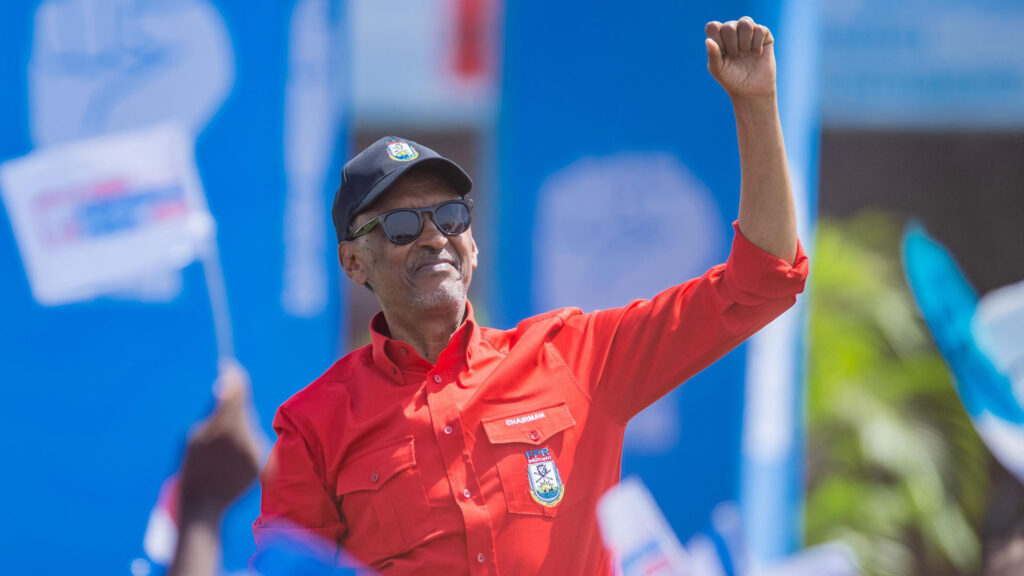
Kagame's reelection victory overshadows controversy in the political arena as the country sees economic growth.
 Tumisang Bogwasi Tumisang Bogwasi
KIGALI, RWANDA —In a display of electoral dominance that has become characteristic of Rwandan politics, President Paul Kagame has clinched a resounding victory in the country’s latest presidential election.
Preliminary results released by the National Electoral Commission (NEC) show Kagame securing an overwhelming 99% of the votes counted thus far, mirroring his performance in the 2017 election.
The election saw a significant increase in voter registration, with approximately 9 million out of Rwanda’s 14 million population registered to vote—a 2 million increase from the previous election. This surge in voter participation reflects the country’s growing political engagement and demographic shifts.
NEC Chairwoman Oda Gasinzigwa reported the presence of over 300 international observers and about 700 local observers, underscoring efforts to ensure transparency in the electoral process. However, the lopsided results have raised questions about the competitiveness of the election.
President Kagame, who has held power in various capacities since 1994, faced two challengers:

Both opposition candidates struggled to gain traction against Kagame’s entrenched political machine and narrative of economic progress.
Kagame’s landslide victory can be attributed to several factors:

Rwanda’s economy has been one of Africa’s fastest-growing over the past decade, with an average GDP growth rate of 7.2% between 2010 and 2019. Key sectors driving this growth include:
Kagame’s re-election is likely to ensure policy continuity, which may be viewed positively by international investors and development partners. However, concerns about political freedoms and human rights could potentially impact Rwanda’s international relations and aid flows.
As Kagame embarks on another term, key challenges include:
The overwhelming mandate secured by Kagame provides a platform for continued economic reforms. However, the international community will be watching closely to see how Rwanda balances its economic ambitions with calls for greater political openness.
As Rwanda moves forward under Kagame’s extended leadership, the country’s trajectory will offer valuable insights into the complexities of development in post-conflict societies and the challenges of balancing economic progress with political pluralism in emerging African economies.