Newsletter Subscribe
Enter your email address below and subscribe to our newsletter
Enter your email address below and subscribe to our newsletter


Could the much-feared credit crunch be looming on the horizon? Experts are sounding the alarm for 2023. Learn more about this potential crisis here.
 Tumisang Bogwasi Tumisang Bogwasi
| Getting your Trinity Audio player ready... |
The credit crunch, a phenomenon feared by financial experts and policymakers alike, has the potential to disrupt economic stability and hinder business growth.
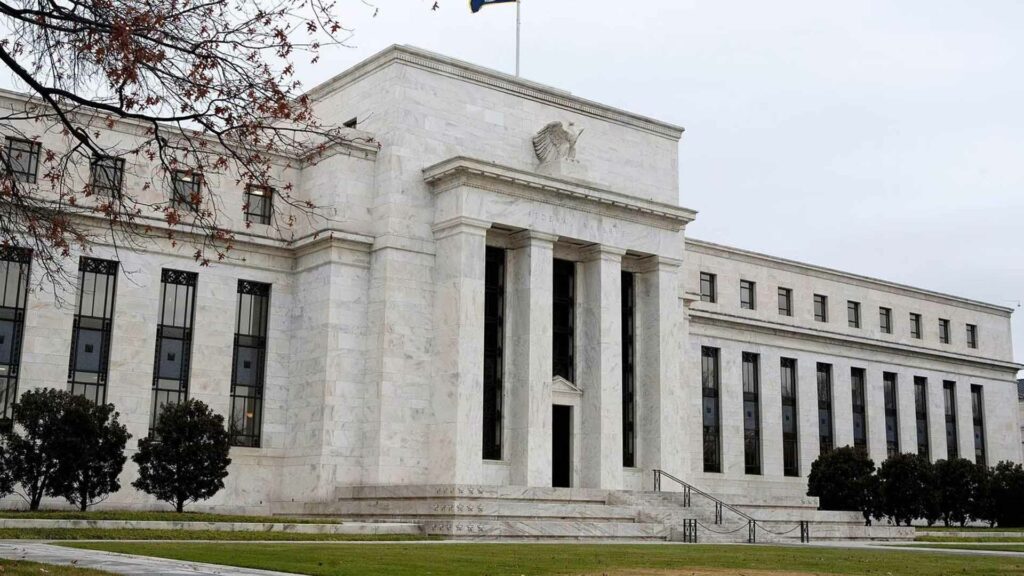
With recent concerns raised by the Federal Reserve about the possibility of a credit crunch on the horizon, business leaders must pay close attention to the signs indicating its emergence.
A credit crunch refers to a situation in which lending becomes scarce, and financial institutions tighten their lending standards, making it challenging for businesses and individuals to access credit. This tightening of credit conditions can have far-reaching consequences, impacting investment, consumer spending, and overall economic activity.
The Federal Reserve, as the central bank of the United States, closely monitors credit conditions and plays a pivotal role in managing the stability of the financial system. Their concerns about a potential credit crunch signal the importance of understanding the factors contributing to this phenomenon and its implications for businesses.
In this article, we will examine the signs of tightening credit conditions that have emerged in recent times.
We will explore indicators that suggest lending standards are becoming more stringent and examine specific sectors or industries facing challenges in obtaining credit. By analyzing these signs, we can gain insights into whether a credit crunch is indeed materializing.
While the indicators discussed in the previous section provide valuable insights into tightening credit conditions, it is essential to understand the underlying factors that contribute to the potential credit crunch.
By examining these factors, you can gain a deeper understanding of the challenges they may face and proactively address them. Let's explore some key factors that are currently shaping the credit landscape.
Understanding these contributing factors provides valuable insights into the dynamics of the credit market and enables business leaders to develop strategies to navigate potential challenges. It is crucial to stay informed about changes in interest rates, regulatory developments, and economic trends.

In a notable development, Berkshire Hathaway's investment activity also sheds light on Warren Buffett's concerns about the potential risks associated with geopolitical tensions.
In November 2022, Berkshire Hathaway purchased a substantial amount of stock in Taiwan Semiconductor Manufacturing Company (TSMC), totalling US$4.1 billion (NT$126 billion). TSMC, a key player in the global semiconductor industry, has been instrumental in powering technological advancements worldwide.
However, just a few months later, in February of this year, Berkshire Hathaway made headlines when it revealed that it had sold off 86% of its shares in TSMC. This move triggered speculation and raised questions about Buffett's motivations and the factors driving his decision. One prevalent theory was that the sale was prompted by concerns about the security of TSMC's Taiwan fabs, given the escalating military manoeuvres by China.
This incident serves as a reminder of the multifaceted challenges and risks that business leaders must consider when navigating a potential credit crunch. Geopolitical tensions can significantly impact market dynamics and introduce additional complexities to investment decisions.
Warren Buffett's actions about TSMC highlight the importance of closely monitoring geopolitical developments and factoring them into strategic investment choices.